
PAMELA MACHIDHA
January disease has become a threat to livestock as well as to humans who consume infected animals. The department of Veterinary Service is urging people to be cautious about consuming livestock that may be infected with the diseases
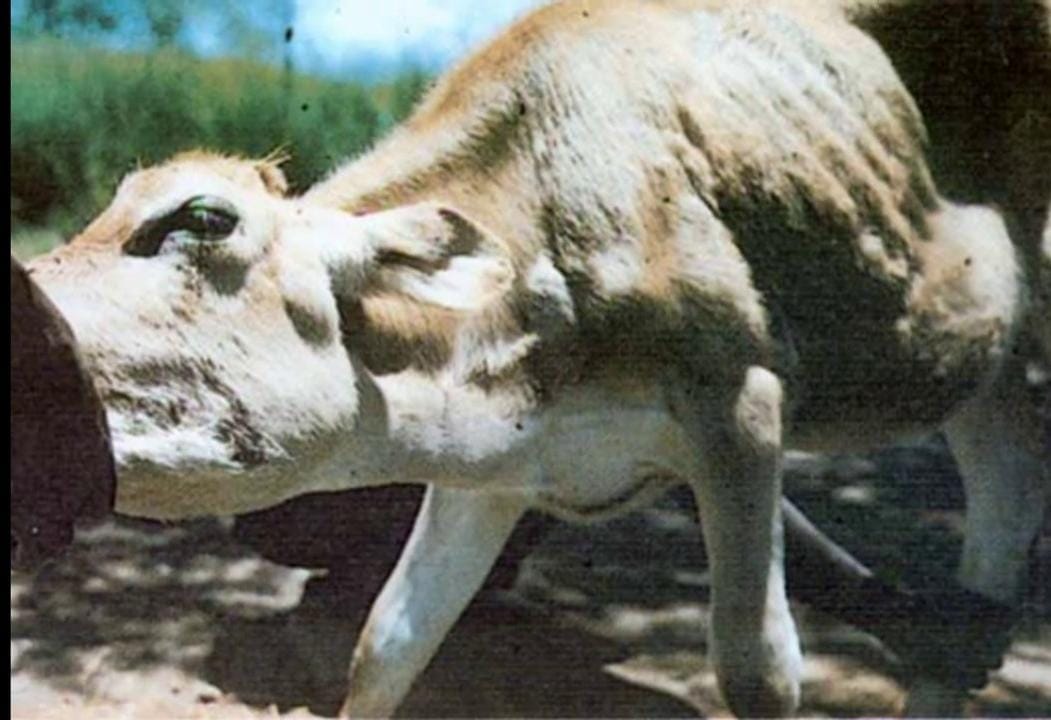
January disease is a specified disease found in cattle, transmitted by ticks. It is also known as Theileriosis a tick-borne disease that affects cattle and most common between December and March. However, cases have been reported throughout the year.
After speaking with villagers in Mhondongori, Ndinaneni, and Lambamai, where some villagers are selling infected cattle to buyers from Zvishavane town for as little as $80 to support their families, the Diplomat reached out to Dr Maguranyanga, the Zvishavane District Veterinary Officer, to find out more about how the disease affects humans who consume infected animals.
“People should avoid consuming livestock infected with January diseases. Most cattle are dying soon after receiving butachem- a drug used to fight against the disease.”
” When cattle are given a dosage of butachem, the meat should not be consumed by humans for at least 42 days. The drug is extremely dangerous. Eating meat from animals treated with butachem within 42 days of administration can cause cancer in humans, said Maguranyanga”.
Dr Maguranyanga advised people to bury or burn animals that have died from January disease.
“If an animal treated with butachem dies within the 42 -day period, the carcass must be buried or burned, he said”.
A local veterinary, Charity Zvoumba stressed the importance of building strong relationship between farmers and their local veterinaries in the event of a disaster.
“It is important to work closely with your local veterinary officers if you notice your cattle showing/developing clinical signs such as swollen lymph nodes under the ears and shoulders, cloudy eyes, loss of appetite, salivation, dramatic reduction in milk, high temperatures, and difficulty breathing with froth exuding from the nose and mouth”
She emphasized the importance of practicing the 5-5-4 method of dipping cattle in the event of an outbreak.
” Farmers can prevent and control January disease through regular dipping, spraying with acaricides, clipping hair from tail brush, horn bases and ears to allow dip to access to those areas, quarantining cattle for 28 days after the last confirmed case and applying tick grease.”
Zvoumba stressed the importance of the department’s awareness campaign which is aimed at encouraging farmers to intensify cattle dipping to fight January disease and other tick-borne diseases.


