
THOMAS MUZIYIRWA
In recent years, the adoption of electric vehicles (EVs) has been on the rise in developed countries but has been slow in Africa. This has been the case due to the electricity crisis. More innovation is being introduced to electric vehicles to suit the African market and Zimbabwe in particular.
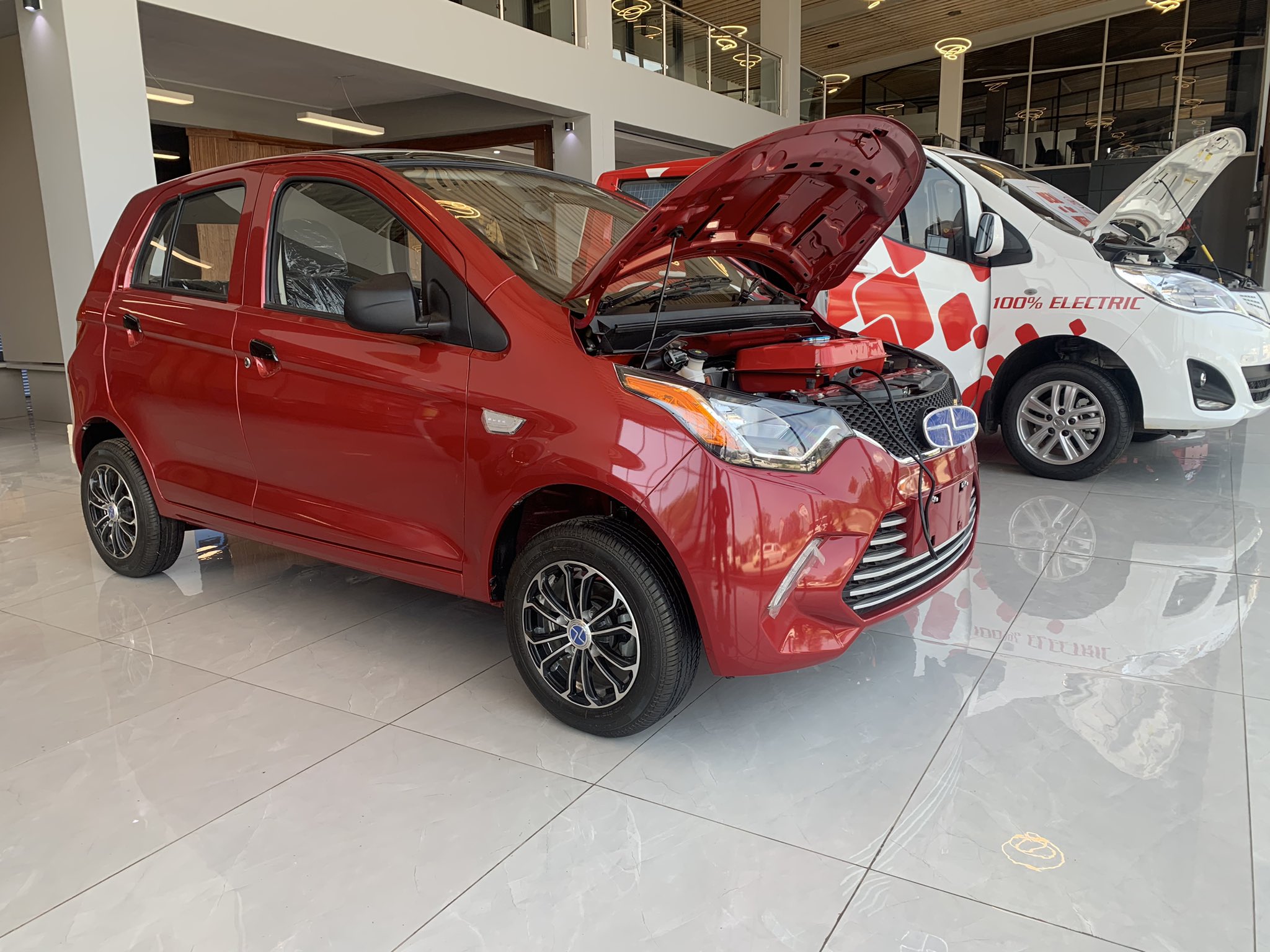
The Derry M7 is one of the EVs on the market in Zimbabwe, and it is the first solar-charged car in the country. The advantages of this car are unlike those of other EVs. The Derry M7 has a solar panel on the roof of the car. This means that anytime the roof is exposed to the sun, the car will be charging. You can leave that car exposed to the sun while you are in your office working. “A senior citizen who purchased the Derry Auto M7 has never had to buy fuel, and she is enjoying the benefits of her decision and we are confident that more people will follow suit” said Tafadzwa Shumba, EV Centre Africa, General Manager
The Derry M7 is a four-door hatchback with a maximum speed of about 60 km/h and a battery range of about 200km. The car can also be charged on the grid with a mobile charger, and you can charge it anywhere where there is electricity, just like you are charging your cellphone or laptop. You will only need US$4 worth of electricity to fully charge the vehicle and you can travel a distance of about 200km on a single charge. Unlike other EVs, it doesn’t require a special charging station.
Tafadzwa Shumba, the general manager of Electric Vehicle Centre Africa (EVCA), which is the only supplier of EVs in Zimbabwe, said that their mission is to increase the presence of electric vehicles in Zimbabwe and positively impact the environment. “There is growing concern over the problems associated with hydrocarbon-fueled vehicles, including damage to the environment caused by their emissions. As Zimbabwe’s EV frontrunner, we face a dual mission: 1. educating the nation about the environmental and economic benefits of electric vehicles (EVs) and 2. building the infrastructure to support them. Collaboration is key—with the government for EV-friendly policies and with electricity companies for a reliable charging network. Competitive pricing and financing options are crucial to making EVs accessible. Ultimately, we want to remain champions of sustainable development goals by promoting clean energy and tackling climate change,” he said.
Central Mechanical Equipment Department (CMED) was one of the first big companies in Zimbabwe to take the initiative to acquire electric vehicles for their business operations from Electric Vehicle Centre Africa. In February 2023, the company, through its subsidiary EasyGo, acquired 13 BYD electric vehicles. CMED is mainly using EVs as shuttle cars, carrying people to and from Robert Gabriel Mugabe International Airport. Other companies that have also followed suit are Netone and ZESA Enterprise (Zent).


