
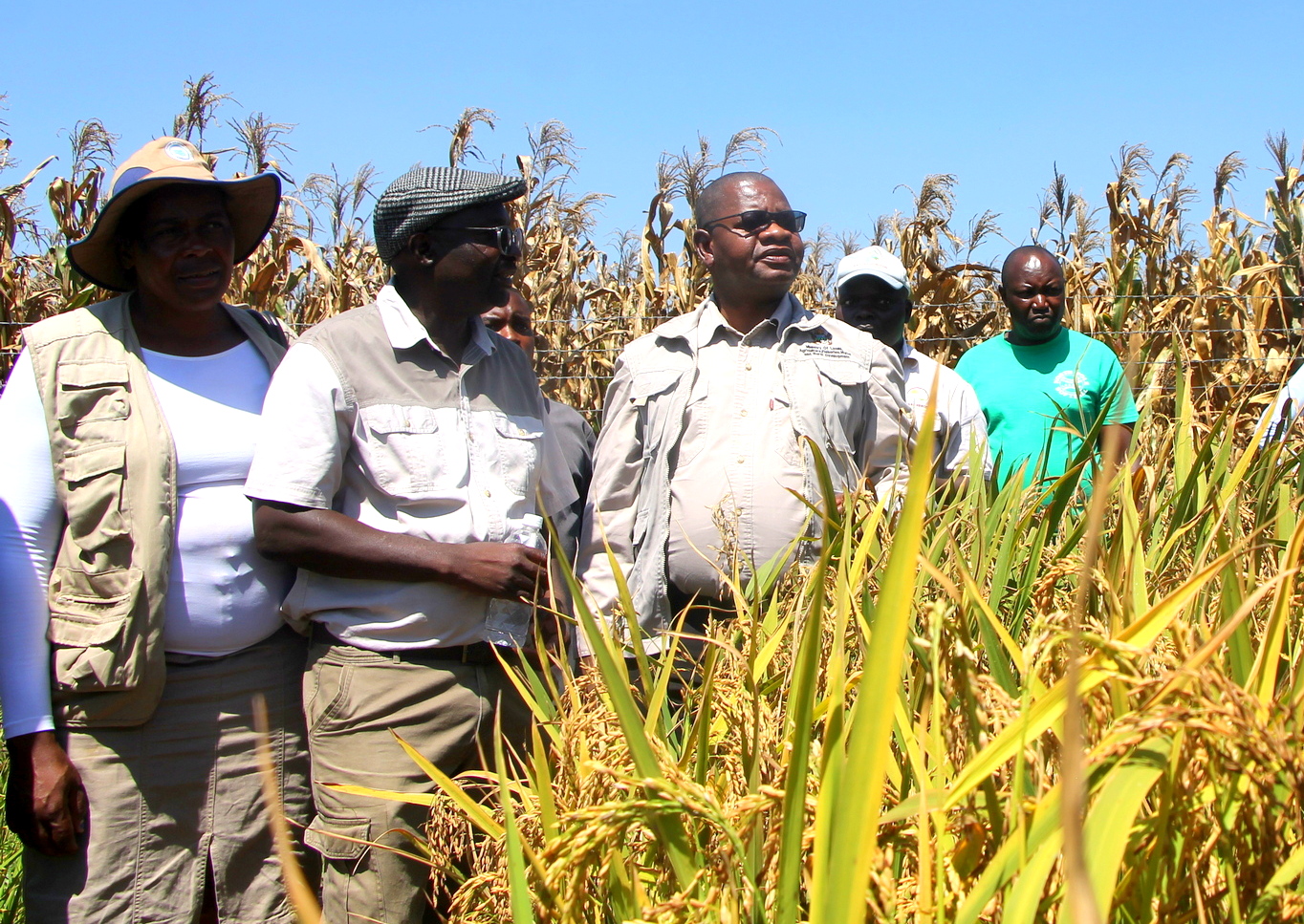
A smallholder farmer in Ward 10, Rainham Farm, is contributing to Zimbabwe’s push to reduce rice imports, as government intensifies efforts to scale up local production through wetland farming and value chain development.
Bongani Moyo, who transitioned from greenhouse horticulture into rice farming, says his venture began as an experiment but has since become his primary crop. “We never thought that rice would be our main crop,” Moyo said. “It was by default because we had this wetland here and we didn’t know what to do with it. We tried rice the first year, and it was excellent.”
Zimbabwe currently imports significant volumes of rice annually, creating an opportunity for local producers. Moyo said his aim is to contribute toward closing that gap. “The country imports about 120,000 tonnes, so as a farmer I want to bridge that gap with my local contribution,” he said. “If we can hit four to five tonnes per hectare, we could do more on 100 hectares.”
Working on just one hectare, split evenly between maize and rice, Moyo has intensified production through soil and water conservation techniques, including vetiver grass and contour ridges. These methods help retain moisture, allowing for extended planting seasons even without irrigation.
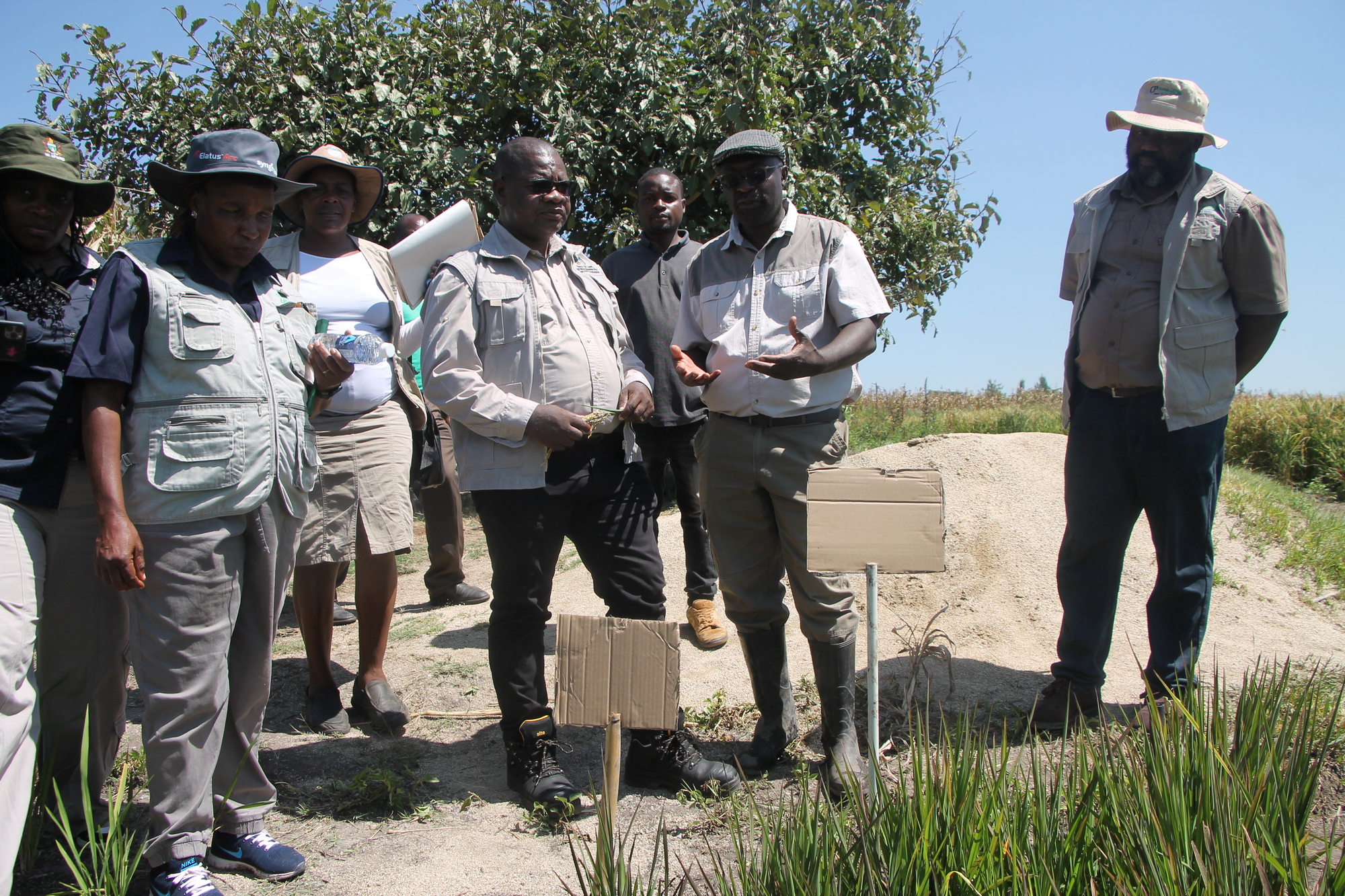
“If I had irrigation, I would plant as early as the first week of October,” he said. “That would significantly improve yields because crops would already be established when the rains begin.”
Moyo is targeting up to four tonnes of rice from half a hectare this season, while also exploring value addition opportunities. “It’s not only about eating rice. You can produce cereals and even use husks for products like charcoal,” he said.
Speaking during a visit to the farm, Lands, Agriculture, Fisheries, Water and Rural Development Permanent Secretary, Obert Jiri, said government is prioritizing the rice value chain to reduce reliance on imports.
“This country imports between 200,000 and 300,000 metric tonnes of rice annually,” Jiri said. “There is a huge demand, particularly among young people, and our strategy is to focus on production to offset imports.”
Jiri noted that Zimbabwe is working with international partners, including Japanese agencies and the Alliance for a Green Revolution in Africa (AGRA), to expand rice production, particularly upland varieties such as Nerica.
“We already produce between 2,000 and 5,000 tonnes locally, mainly in wetlands by smallholder farmers,” he said. “That rice is premium, but it has not yet penetrated mainstream commercial markets.”
He added that scaling production will require both wetland utilisation and adoption of upland rice varieties suited to different ecological regions.
Advantages of Wetland Farming
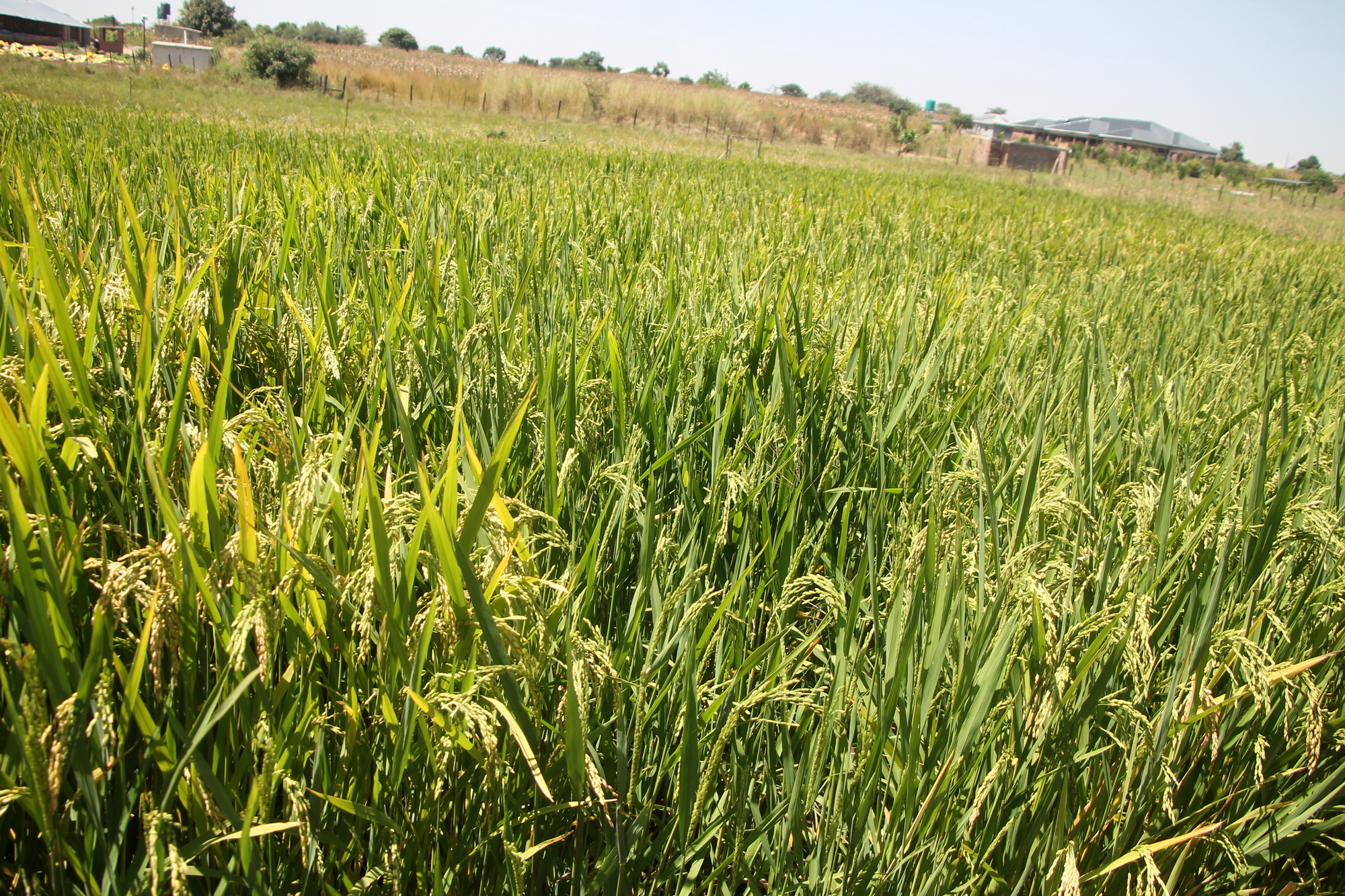
Agricultural experts highlight several benefits of growing crops such as rice in wetlands:
High moisture retention: Wetlands naturally hold water, reducing reliance on irrigation.
Extended growing seasons: Farmers can plant beyond the rainy season due to sustained soil moisture.
Improved yields: Consistent water availability supports better crop development.
Soil fertility: Wetlands often contain nutrient-rich soils ideal for rice cultivation.
Climate resilience: Wetland farming can cushion crops against erratic rainfall patterns.
As Zimbabwe ramps up its rice production strategy, smallholder farmers like Moyo are emerging as key players in efforts to achieve national food security and reduce the import bill.


