
Zimbabwean exporters are being positioned for expanded access to the Chinese market following the announcement of a sweeping zero-tariff policy set to take effect on May 1, 2026, with business leaders and trade facilitators urging local industries to move quickly and capitalize on the opportunity.
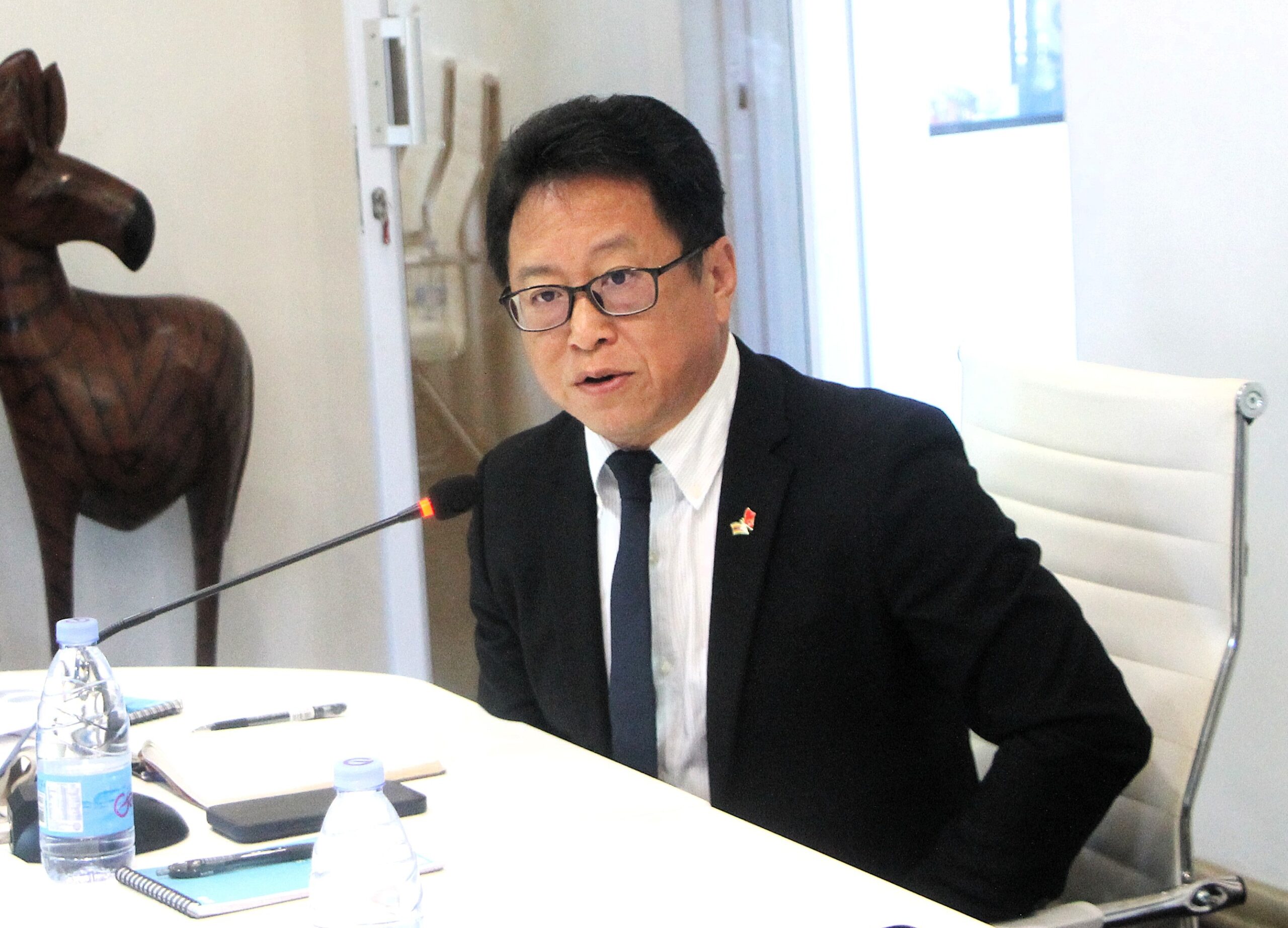
Speaking during a media briefing, Steve Ke Zhao the chief executive officer of the China Zimbabwe Exchange Centre (CZEC) said the policy reflects shifting global economic dynamics and China’s strategic intent to deepen trade ties with Africa. Founded in 2015, the CZEC operates as a private voluntary organisation focusing on education, youth development, culture, and arts, while also facilitating trade engagement.
Zhao explained that the zero-tariff framework will apply to exports from Zimbabwe and more than 50 African countries, effectively eliminating import duties into China. “This means Zimbabwean products entering China will be significantly more competitive,” he said, citing an example where agricultural exports such as oranges could be up to 30 percent cheaper than similar goods from countries like Brazil due to the removal of tariffs.
He noted that China’s population of 1.4 billion represents a vast and growing consumer base with increasing demand for food products, including horticulture, meat, dairy, and staple goods. “Africa can provide abundant goods into the Chinese market. With zero tariffs, pricing becomes more attractive, driving trade circulation,” Zhao said.
Zhao also emphasized that market entry barriers are lower than often perceived, with institutions such as the Chamber of Chinese Enterprises in Zimbabwe offering technical support, market intelligence, and workshops. A capacity-building workshop scheduled for April 30 will host up to 250 participants drawn from sectors including mining, horticulture, aquaculture, and the arts at the Celebration Center in Harare.
Meanwhile, the CZEC managing director Walter Chanaka underscored the significance of the policy, describing it as a “historic open-door invitation” that could transform Zimbabwe’s industrial landscape. He called on local producers to shift towards value addition to maximize benefits from the duty-free access.
Chanaka highlighted export-ready products such as processed macadamia nuts, leather goods, and minerals as key beneficiaries. He also urged the media to play a central role in disseminating information about the opportunity to businesses across the country.
Also addressing the briefing, Isheunesu Chibvunza echoed calls for collaboration and awareness, stressing the need for coordinated engagement between industry players, trade bodies, and government institutions to ensure Zimbabwe fully leverages the policy.
With logistical support mechanisms and market linkages being strengthened, stakeholders say the success of the initiative will ultimately depend on how quickly Zimbabwean exporters can scale production, meet international standards, and secure consistent supply chains.
The zero-tariff policy is expected to significantly boost Zimbabwe’s export volumes while reinforcing long-standing economic ties between Zimbabwe and China.


