
SHELMA SIBANDA
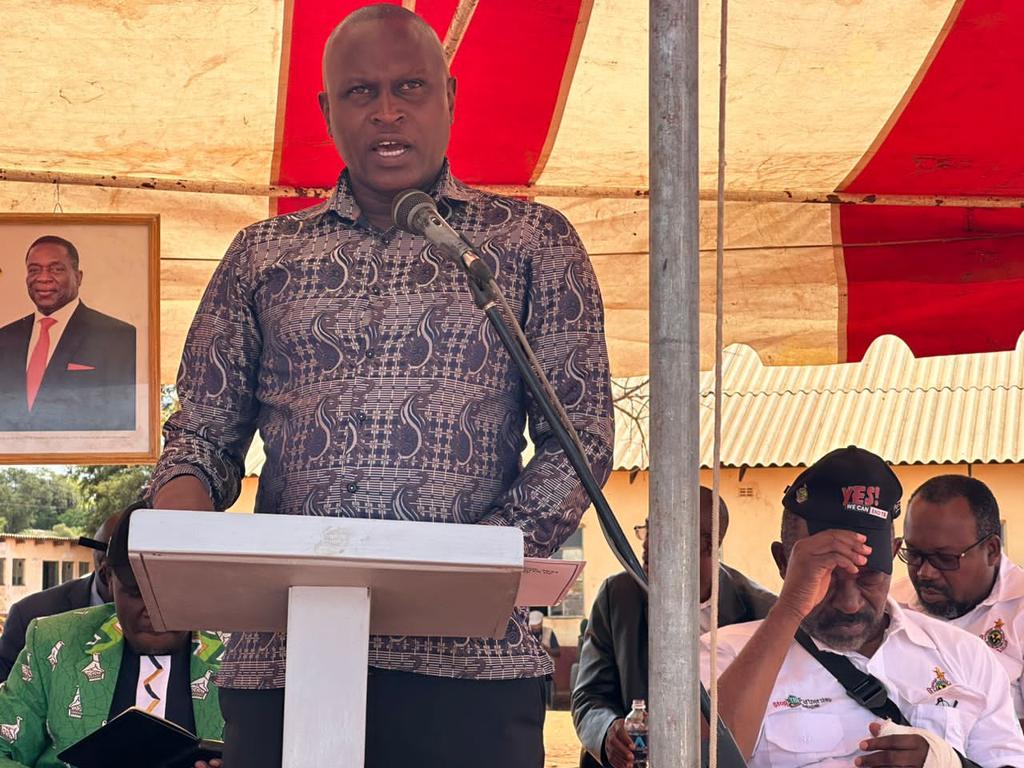
Deputy Minister of Health and Child Care, Sleiman Kwidini, called for increased awareness and action in the fight against TB on World Tuberculosis (TB) Day that was held in Bubi recently.
The Deputy Minister highlighted the ongoing burden of this disease in Zimbabwe and emphasised the need for collaborative efforts to end TB by 2030. Despite significant progress, TB remains a major public health problem in Zimbabwe, with the country ranking among the top five high-end countries burdened with TB, HIV, and multidrug-resistant TB.
“TB remains one of the major problems in Zimbabwe. Our country remains in the top 30 high-burden countries by HIV, TB and DR-TB,” said Kwidini.
He added, “Zimbabwe continues to suffer the scourge of drug-resistant TB (DR-TB, which is Tuberculosis that does not respond to the first line medicines used to treat (TB).”
Kwidini acknowledged the groundbreaking work of Dr. Robert Koch, a vegetarian doctor, who discovered the bacillus that causes tuberculosis on the dreaded 24th of March. This discovery paved the way for improved diagnosis and treatment of the disease.
Kwidini stressed the urgent need for increased global attention and resources to combat TB, stating, “Globally, 29,000 people get infected by TB every day, and more than 3,000 people die from TB globally.”
He called for a collective effort and urged individuals and organisations to play their part in the fight against TB.
The Deputy Minister also highlighted the impact of the COVID-19 pandemic on TB control, noting that individuals with TB are at increased risk of contracting the virus. However, Zimbabwe has demonstrated resilience and contributed to the global recovery of TB programming in 2022.
“This is, especially, critical in the context of the Covid-19 pandemic, which has put our ‘End TB’ progress at risk. The effect of Covid-19 on TB control is undeniable and continues to linger, but Zimbabwe has demonstrated resilience and was part of the countries that contributed to the global shift towards recovery of TB programming from Covid in 2022,” said Kwidini.
To sustain this recovery, Kwidini outlined several key strategies, including improving access to new diagnostic technologies, adopting national best practices, and utilising artificial intelligence in TB diagnosis. He emphasised the need for investment in TB prevention, diagnosis, treatment, and support, particularly for drug-resistant TB and TB in children and marginalised communities.
The Deputy Minister highlighted the importance of context-specific solutions and collaboration with various stakeholders, including the legislature. He commended the National Patient Quality Service for TB patients and emphasised the need for policymakers and leaders to work together to reduce the proportion of affected individuals who do not complete their treatment.
Kwidini also unveiled various strategies and policies to strengthen Zimbabwe’s TB response, including revised national tuberculosis and liberal management guidelines, clinical guidelines for drug-resistant tuberculosis, and the National TB Communication Strategy.
In closing, the Deputy Minister expressed gratitude for the political commitment demonstrated by President Emmerson Mnangagwa and his government, as well as the support from development partners and organisations involved in the fight against TB. He emphasised the importance of continued action and increased allocation of domestic resources to address the TB crisis.
The commemorations on World Tuberculosis Day in Zimbabwe served as a reminder of the ongoing challenges posed by this disease and called for renewed efforts to end TB and ensure equitable access to prevention and care.


