
By Staff Reporter
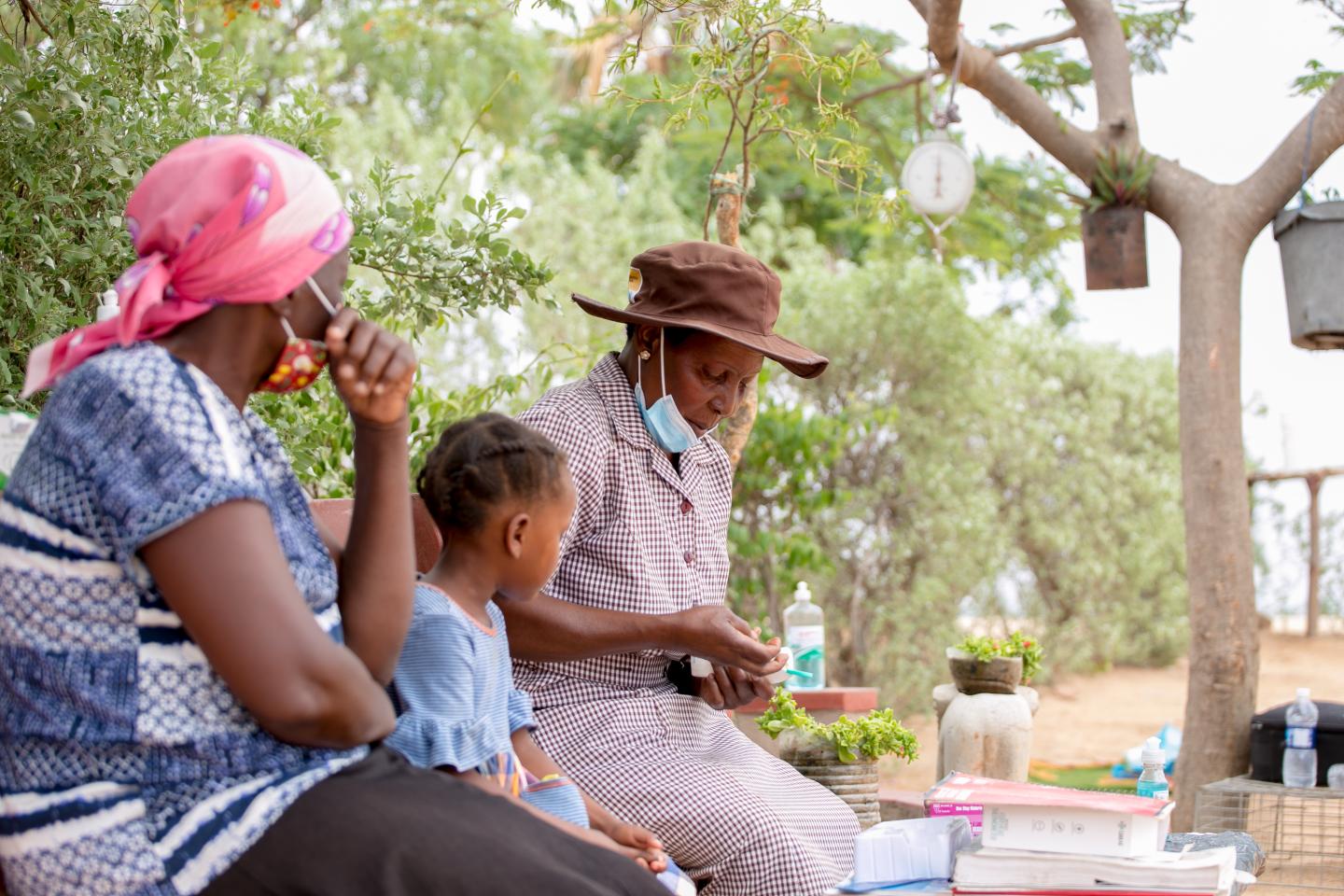
Village Health Workers (VHWs) are the quiet force behind Zimbabwe’s health system — women and men who dedicate their all to protect their communities. Yet, as UNICEF Representative in Zimbabwe Ms Etona Ekole reminded diplomats and business leaders at the Diplomat Business Networking Club Breakfast Meeting held at the Royal Harare Golf Club recently, these Village Health Workers (VHWs) remain among the least recognised and least supported pillars of national healthcare.
“Village Health Workers are the heartbeat of primary healthcare,” she said passionately. “They are the bridge between families and the formal health system, ensuring that mothers, newborns, and children receive care even in the most remote communities.”
 Unsung Heroes of Primary Healthcare
VHWs deliver essential services such as immunisation, nutrition support, health education, and disease surveillance. They are often the first — and sometimes only — healthcare contact for families living far from hospitals. Yet their efforts are frequently constrained by inadequate funding, fragmented programming, and a lack of integration into the formal health system.
“They give their time, their energy, and their hearts to protect their communities,” Ms Ekole said. “But they cannot sustain this work on passion alone.”
UNICEF is working with partners including the Global Fund, KOICA, the Mastercard Foundation, Eli Lilly, and the Health Resilience Fund to revitalise the VHW programme. The organisation advocates for the integration of VHWs into Zimbabwe’s formal health workforce, sustainable financing, and a dedicated national budget line to secure their long-term future.
Digital innovation, she noted, can also strengthen their impact. “By equipping VHWs with digital tools and training, we can improve efficiency, reporting, and access to real-time health data,” she explained.
Ms Ekole called on the private sector to join this effort through impact bonds, corporate social investments, and partnerships that build resilient community health systems. “Achieving Universal Health Coverage begins in the villages,” she said. “That’s where transformation truly happens.”
Nourishing the Nation
Alongside community health, Ms Ekole underscored the importance of transforming Zimbabwe’s food environments to address both undernutrition and rising obesity.
“Good nutrition is foundational to early childhood development, beginning from pregnancy,” she stressed. “Yet the spaces where we buy, cook, and eat are increasingly filled with unhealthy choices.”
She noted that Zimbabwe is among eight SADC countries experiencing a rapid rise in overweight and obesity, even as child undernutrition persists. “A quarter of children under five live in severe food poverty, consuming two or fewer food groups daily,” she said. “Meanwhile, 58 per cent of children between six months and five years suffer from anaemia — impairing brain development and perpetuating cycles of poverty.”
Ms Ekole urged stronger food policies to ensure healthier diets, including the enforcement of Statutory Instrument 192 of 2024, which regulates the marketing of breastmilk substitutes and promotes exclusive breastfeeding.
She also called for continued efforts to fortify staple foods, such as maize flour, despite resistance from parts of the industry.
UNICEF, she explained, is already taking action. Through the First Foods Initiative, launched recently in partnership with the African Union, UNICEF is helping improve the quality of complementary foods for infants. Locally, the organisation is promoting nutritious, home-grown products such as mopane worm powder and maoresa porridge made from sorghum, baobab and fortified beans.
“The Child Nutrition Fund established this year will help prevent and treat wasting, while encouraging governments to increase their own investment in nutrition,” she said.
A Shared Commitment to Every Child
Ms Ekole urged all partners — government, business, and development agencies — to invest in people and systems that deliver long-term change.
“In a resource-constrained world, we must think differently,” she said. “Health and wellness are not luxuries. They are rights. And when we empower our Village Health Workers, nourish our children, and strengthen communities, we build a healthier and more prosperous Zimbabwe for all.”


