
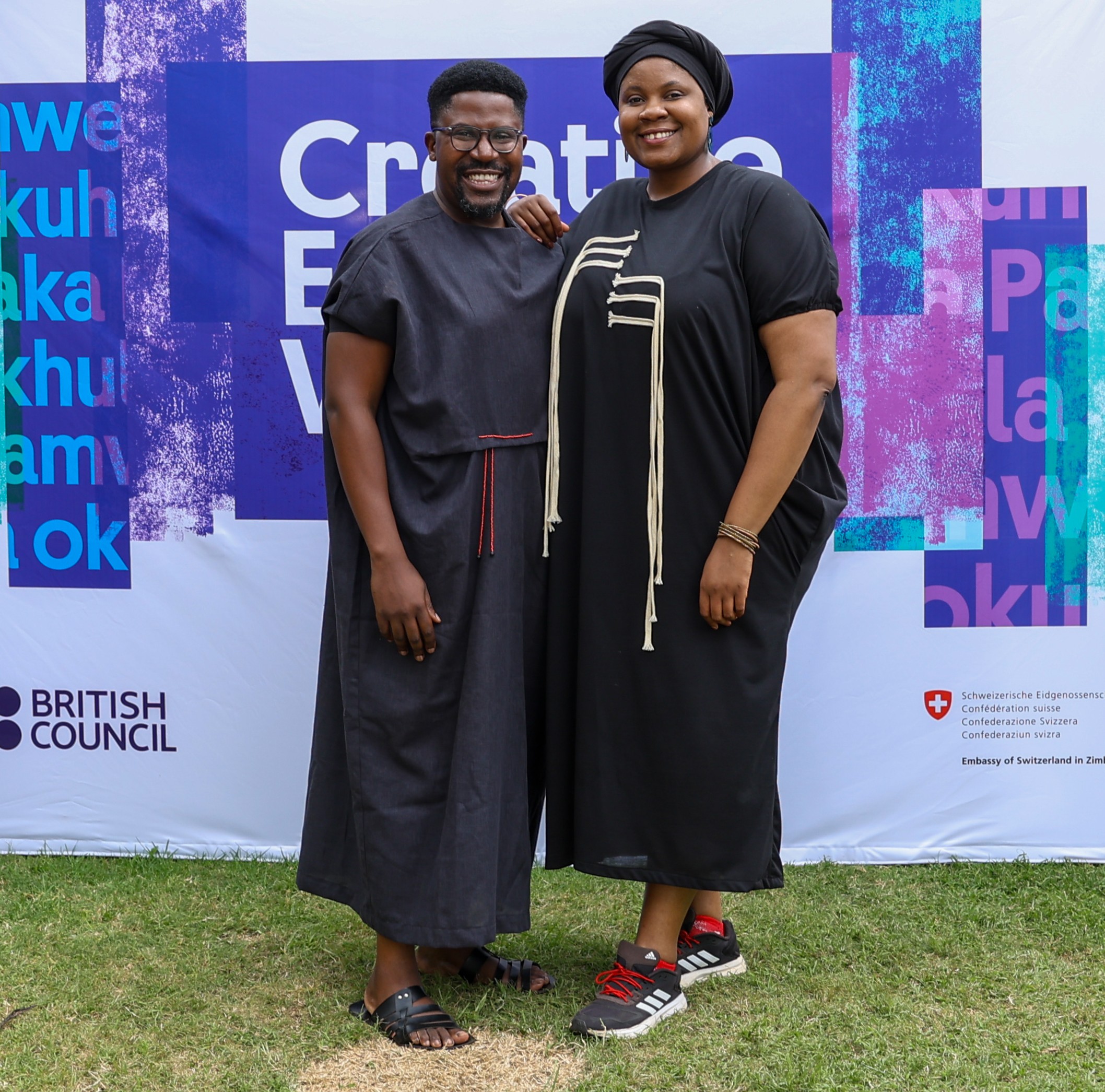
The 2026 edition of Creative Economy Week (CEW) brought together artists, entrepreneurs, policymakers, and cultural leaders from Zimbabwe and beyond for a dynamic programme of discussions, masterclasses, exhibitions, and performances aimed at strengthening the country’s creative industries.
Held from March 2 to 7 under the theme “Inclusive Growth through Collaboration”, the week-long series of events was organized by the British Council in partnership with a range of local and international stakeholders. Activities were hosted mainly in Harare while satellite events also took place in Bulawayo, Victoria Falls, Kadoma, and Masvingo.
The Creative Economy Week forms part of the British Council’s Africa Creative Economy programme, which operates in 13 countries across the continent to support artists and creative entrepreneurs through training, market access, and international collaboration.
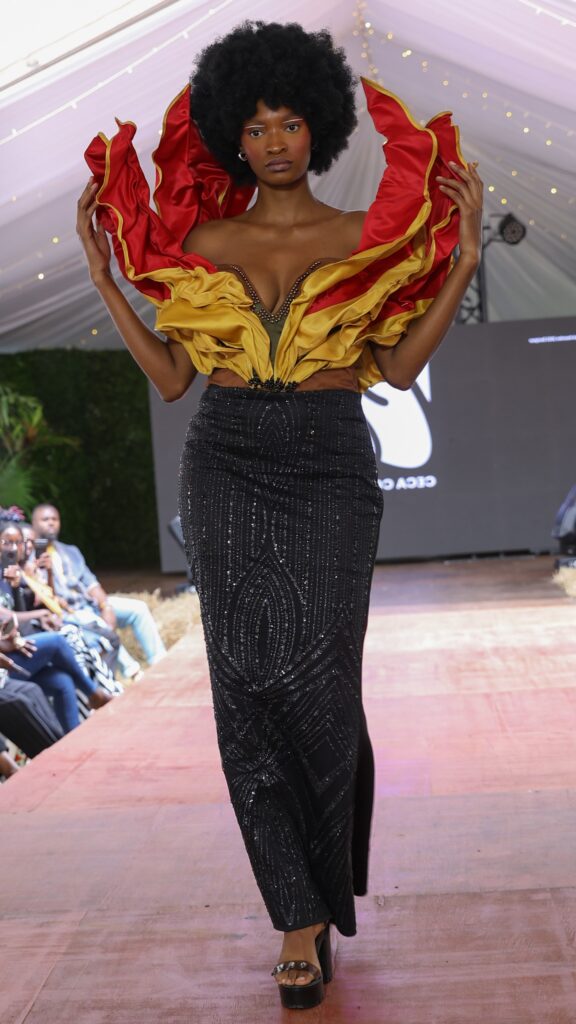
The programme kick-started on March 2 with a textile immersion visit to David Whitehead Textiles in Kadoma, where designers gained practical insight into industrial-scale production and quality standards.
In Harare, the Creative Economy Week Gallery and SoCreative Lounge opened to the public, offering visitors multimedia showcases of projects produced through British Council initiatives.
Throughout the week, participants engaged in a variety of masterclasses and discussions covering fashion, music, digital content, and investment readiness. These included sessions on running fashion brands as social enterprises, waste-to-fabric innovation, music publishing, and digital storytelling.
One of the highlights of the week was the opening night celebration on March 3, which featured performances by spoken word artist Rutendo Denise Mutsamwira and a drum procession led by Othnell Mangoma. The event also included remarks from cultural sector leaders including Napoleon Nyanhi of the National Arts Council of Zimbabwe and Stefano Berti from the Embassy of Switzerland in Zimbabwe.
Creative discussions extended beyond Harare, with the Magitare Confluence conference hosted by Magitare Africa in Bulawayo. The gathering convened creatives and industry leaders, including Bulawayo Mayor David Coltart, to explore opportunities within the cultural and creative sectors. The city also hosted a theatre, poetry, and music showcase featuring performances at Amakhosi Theatre.
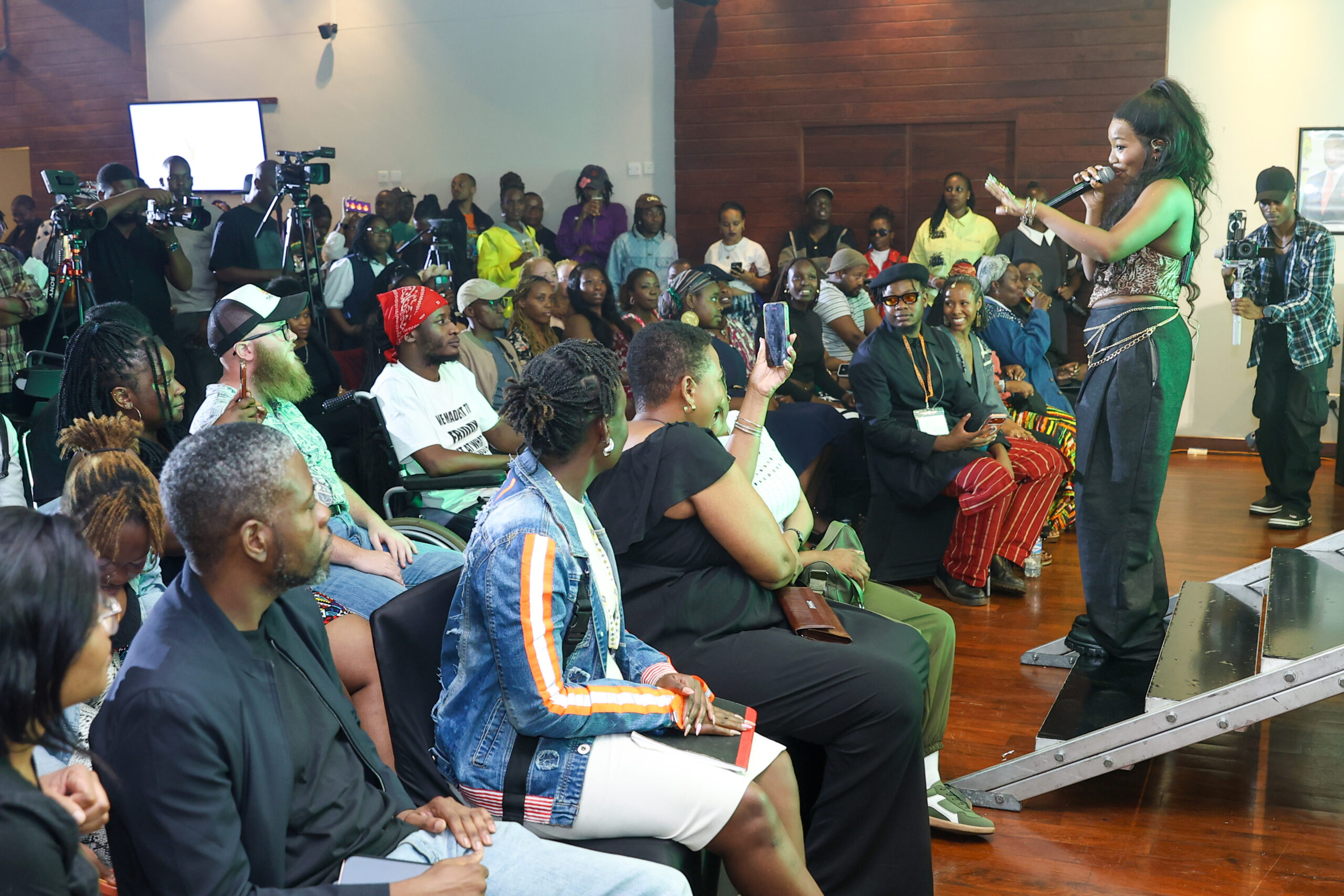
In Harare, panel discussions examined topics such as sustainable fashion supply chains, creative career diversification, and the role of storytelling in preserving cultural identity. Another notable session, Women Reimagining Leadership, brought together female leaders from different sectors to discuss inclusive leadership models rooted in heritage, culture, and innovation.
Speaking during the week, British Council arts lead Farai Ncube emphasized the importance of partnerships in strengthening the creative sector.
“Creative Economy Week is about creating spaces where creatives, policymakers, and industry leaders can connect, share knowledge, and build partnerships that unlock new opportunities for the sector. Through collaboration, we can strengthen ecosystems that support sustainable and inclusive growth in Zimbabwe’s creative industries,” she said.
Music and culture also played a central role in the programme, with conversations on building African music ecosystems, digital content creation, and artist entrepreneurship. Zimbabwean pop star Gemma Griffiths participated in a fireside chat discussing how artists can build sustainable creative businesses.
The week ended with cultural showcases including Roots and Rhythms in Masvingo and poetry screenings highlighting collaborations along the Zambezi River. In Harare at the closing party under Kay Media, various young artists from across Africa showcased their collection of hip-hop music collaboration.
Through its mix of knowledge exchange, creative showcases, and cross-sector dialogue, Creative Economy Week 2026 highlighted the growing role of the creative industries in driving innovation, employment, and cultural exchange across Zimbabwe and the wider African region.


