
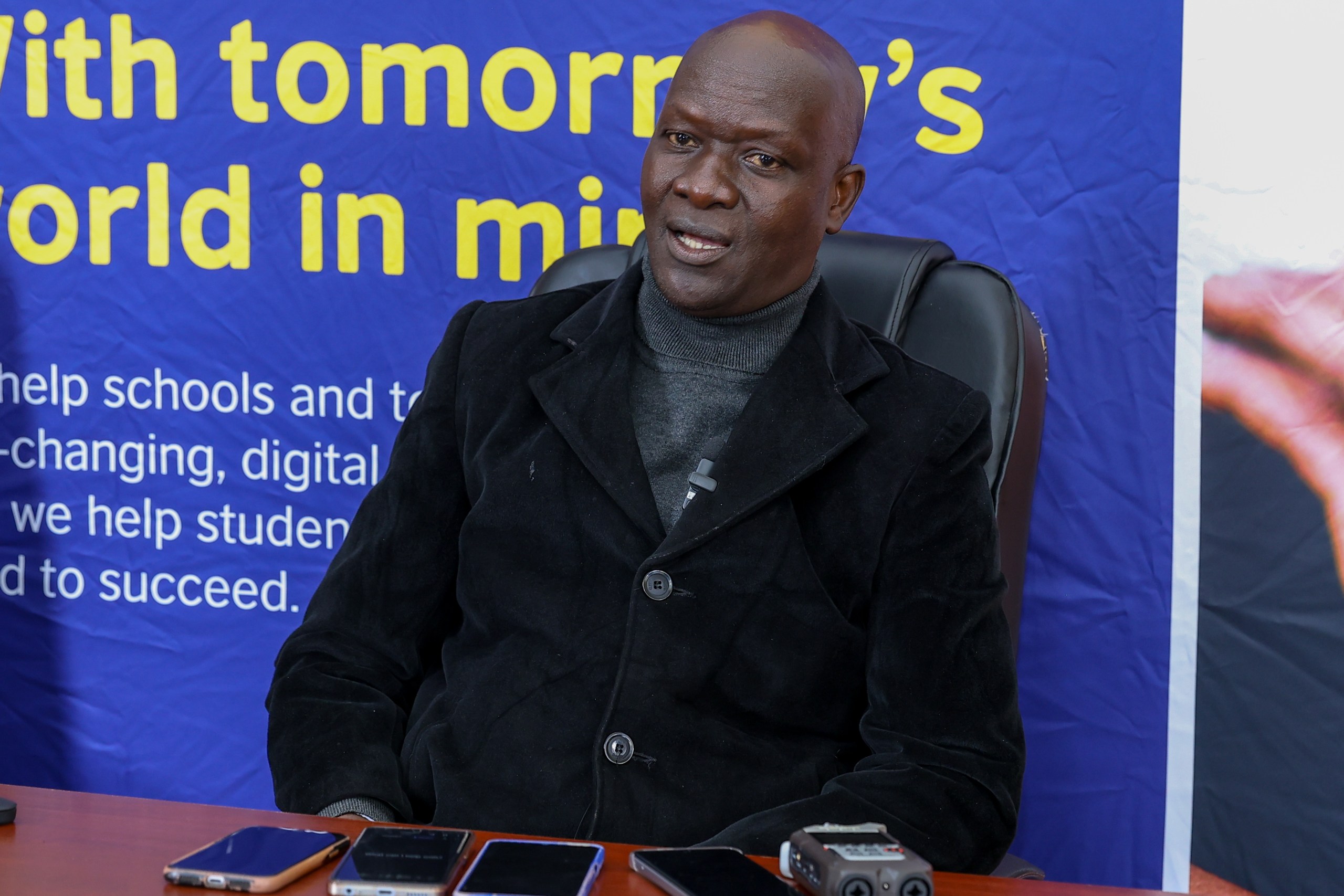
A research project conducted at Anderson Adventist High School has demonstrated how targeted teacher training and inclusive teaching practices can significantly reduce gender bias in classrooms, with incidents of stereotyping dropping by 50 percent.
The study, carried out by English teacher and boys’ dean Tendai Mandaza, was supported by the British Council through its Action Research Grants Programme. The initiative aimed to explore how gender stereotypes influence academic performance and classroom participation among students.
For more than two decades, girls at the school have consistently outperformed boys in English, a pattern that prompted Mandaza to investigate how perceptions about gender and subject ability were shaping learning outcomes.

“My research looked at how one’s gender can affect performance in English and what can be done to correct the perceptions that come with gender stereotyping,” Mandaza said.
The research revealed that deeply embedded assumptions influenced both teachers and students. About 90 percent of learners surveyed said they believed gender affects academic performance, while 70 percent reported hearing gender-biased comments from the teachers.
Mandaza noted that English had long been perceived as a “girls’ subject,” a belief that often discouraged boys from participating confidently in classroom discussions and activities.

“When it comes to public speaking and other English-related activities, the girls are usually eager and confident to participate, whereas the boys tend to shy away,” he explained.
To address these challenges, the school introduced gender awareness training for teachers and reviewed classroom materials and examples used in lessons. According to the findings, these interventions helped significantly reduce stereotyping incidents.
“We realized that our language and examples, though unintentional, reinforced gender stereotypes,” said one teacher at Anderson Adventist High School. “After this project, our classes are more balanced, and students feel equally encouraged.”
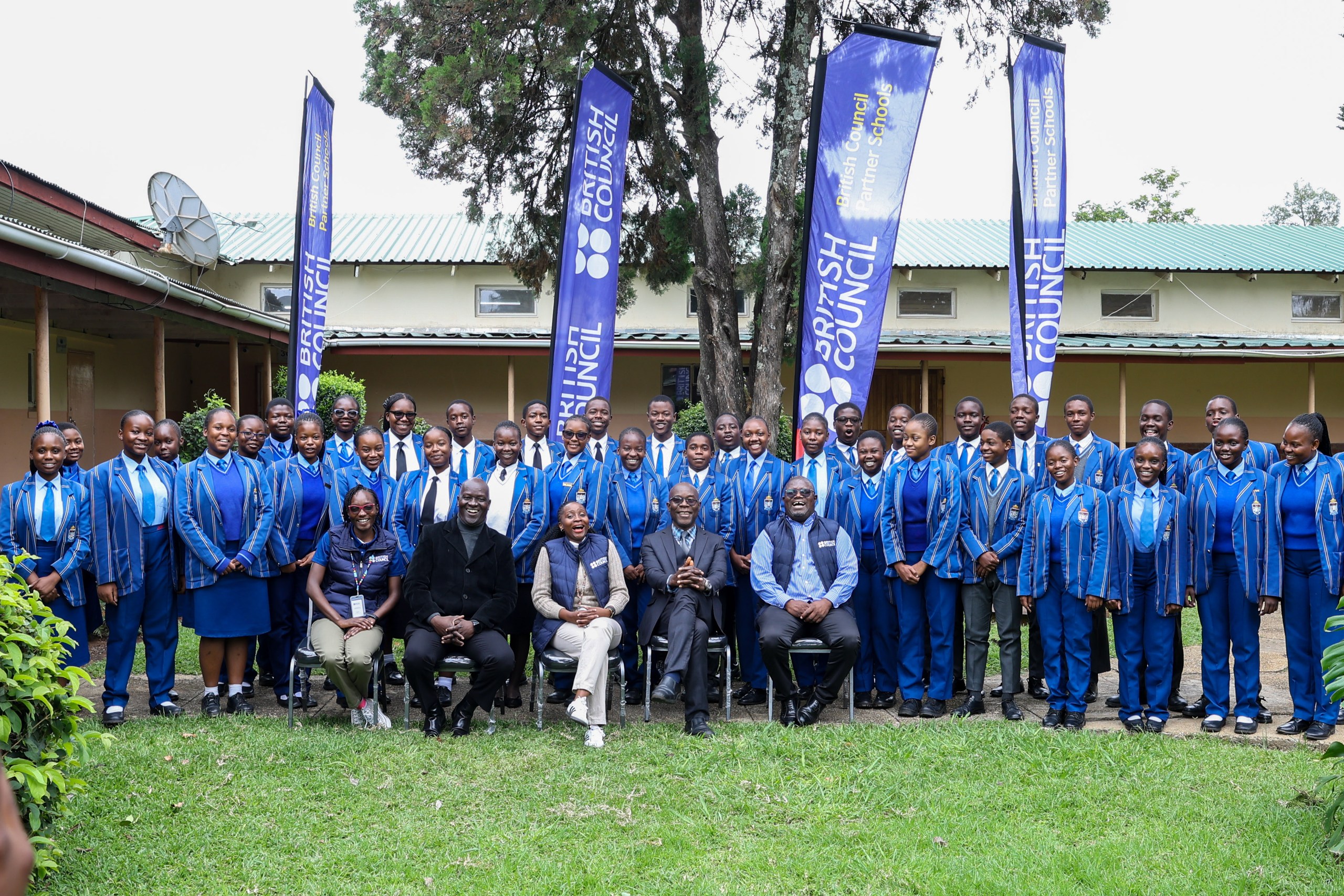
Students say the initiative has helped them rethink long-held assumptions about their academic abilities.
Student Takabonga Siyatimbula said gender stereotypes had previously shaped how learners approached subjects.
“Before the project, it was normal to believe that girls do better in subjects like English, while boys are particularly good in the sciences,” he said. “Gender stereotyping should not limit what you can achieve.”
Another learner, Nicole Mandaza, said the initiative helped her gain confidence in science subjects.
“Before the project, I had normalized getting average marks in STEM subjects. I wasn’t confident in myself when it came to those subjects,” she said. “I now feel confident in my lab course and contribute more during STEM-related lessons.”
Form Three student Simbarashe Obinisa said the programme changed how students evaluated their performance.
“This project helped me to improve academically because I no longer see it as a social norm for me to fail English or history simply because I am a boy,” he said.
School head Mr BC Mukasvanga praised the partnership with the British Council for encouraging reflective teaching practices.
“The partnership with the British Council has helped us to have research done by one of our teachers,” he commented. “Through that research we became conscious that, sometimes without realizing it, teachers may confirm stereotypes about boys and girls in different subject areas.”
He added that the school is now seeing more balanced participation across subjects, with boys engaging more actively in languages and girls increasingly participating in science-related disciplines.
The British Council country director Anderson Lloyd said the findings highlight the importance of addressing bias early in the education system.
“This study is an important reminder that equality begins in the classroom,” Lloyd said. “By empowering teachers to challenge bias, we create environments where all learners can succeed.”
The project forms part of the British Council’s Action Research Grants Programme 2025, which includes 11 global research studies designed to help teachers develop innovative and locally relevant strategies to improve learning outcomes and promote gender equality in education.
These results show how reflective teaching and evidence-based professional development can transform classroom culture, creating more inclusive environments where every learner is encouraged to reach their full potential.


