
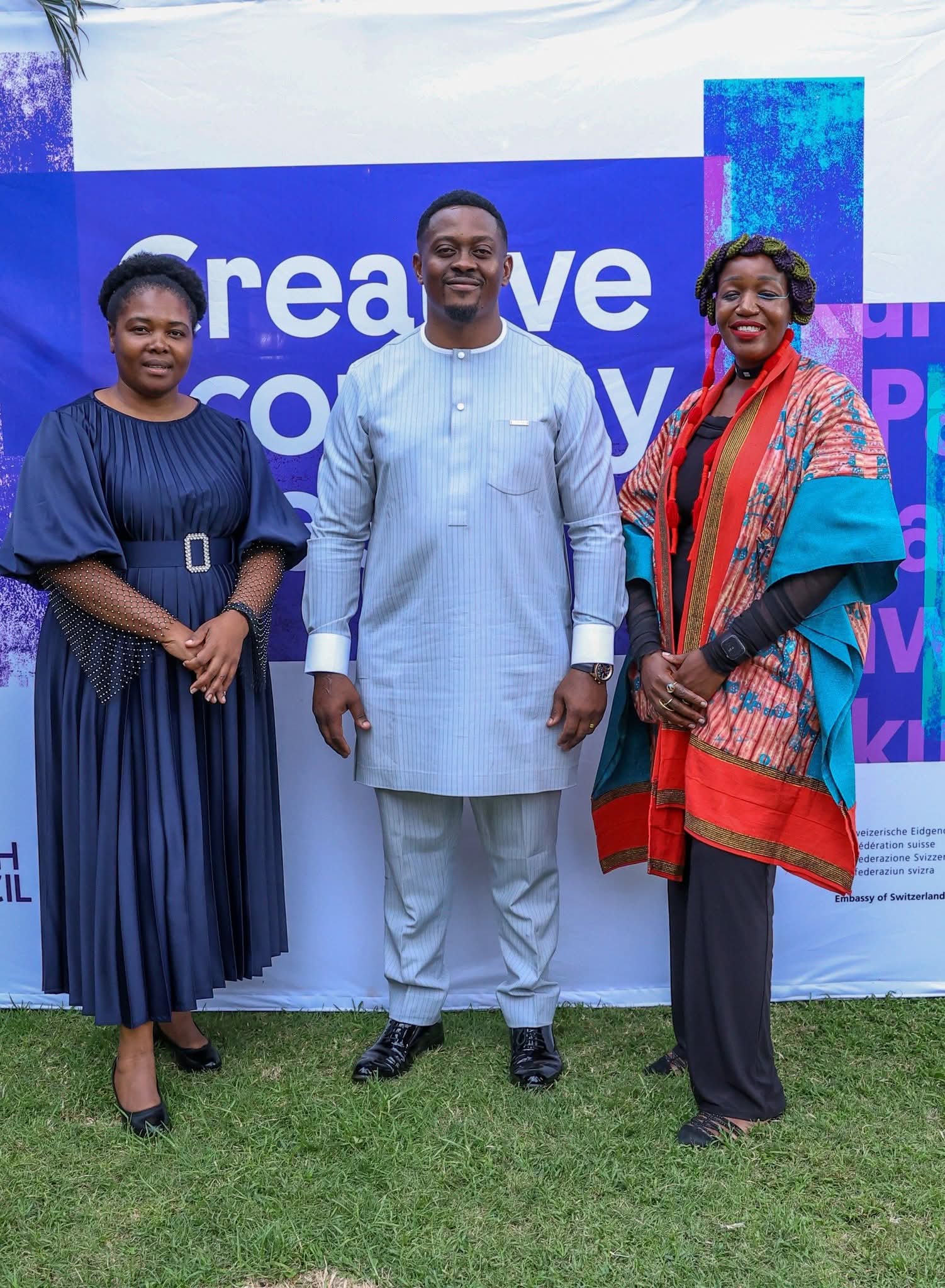
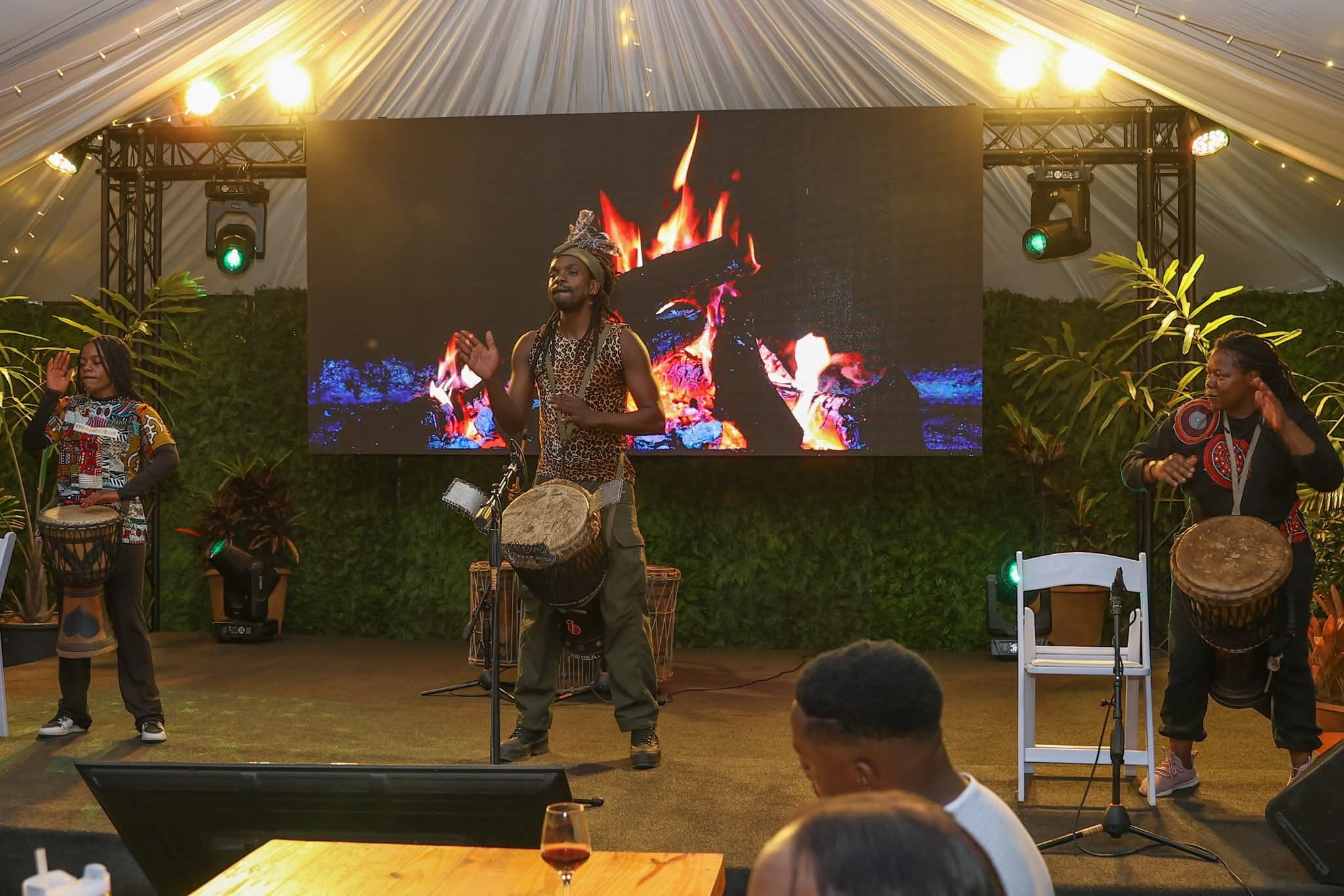
Harare has once again become a hub of ideas, innovation and enterprise as the British Council and the Embassy of Switzerland in Zimbabwe host the third edition of Creative Economy Week Zimbabwe 2026 from 2 to 7 March.
Convened under the theme “Inclusive Growth Through Collaboration, Kuvaka Pamwe, Ukukhula okuhlanganisayo,” the six-day programme seeks to move beyond celebrating artistic talent to strengthening the business and policy ecosystems that allow creatives to thrive. The initiative is being delivered through a partnership between the British Council and the Embassy of Switzerland in Zimbabwe, aimed at supporting Zimbabwe’s cultural and creative industries.
The 2026 edition brings together creatives, policymakers, cultural institutions, industry leaders and entrepreneurs for a series of masterclasses, workshops, roundtables, showcases and networking sessions designed to equip emerging practitioners with practical skills and market access opportunities.
“Creative Economy Week is where we shift from celebrating talent to strengthening the systems that help creative practitioners earn and scale,” said Lloyd Anderson, Country Director of the British Council Zimbabwe. “Through our partnership with the Embassy of Switzerland, we’re backing practical pathways, skills, networks and market connections, that support sustainable growth in the creative industries.”
This year’s programme expands its regional and global footprint, welcoming creative and cultural sector partners from Nigeria, Rwanda, India, Pakistan and the United Kingdom. Participants will engage with experts on topics ranging from investment readiness and commissioning to distribution and market expansion, with a strong emphasis on turning talent into commercially viable enterprises.
One of the headline activities is a flagship manufacturing immersion in Kadoma, where a cohort from the Creative DNA programme will tour David Whitehead Textiles. The visit is designed to expose designers to industrial production standards, quality assurance systems, costing models and production planning processes, strengthening supply-chain readiness for both local and international markets.
Speaking at the opening reception, National Arts Council Executive Director Napoleon Nyanhi underscored the importance of collective effort. “This week, our local creatives stand at the threshold of immense opportunity. The relationships forged here, the contacts made, the knowledge shared, are the true currency of the creative economy,” he said. “We are particularly eager to see how these dialogues will unfold in both Harare and Bulawayo, ensuring that this national conversation includes the unique creative energies from across our country.”
The week’s highlights include a Grants in Arts Roundtable featuring institutions such as the British Council, US Embassy, Alliance Française, Zimbabwe German Society, UNESCO, Culture Fund and Old Mutual, outlining funding opportunities for 2026–2027. An Investment Readiness Roundtable will demystify investor expectations for founders seeking to scale operations and enter new markets.
Music Industry Conversations will explore technology and collaboration in African music ecosystems, with contributions from Mavin Records, Downtown Music Africa, Reprezent UK and Zimbabwean industry representatives.
The programme will end with the Creative DNA Fashion Showcase, a curated runway event spotlighting the evolution of Creative DNA Seed Awardees alongside a Rwandan collective of designers.
All events require prior online registration, reinforcing organisers’ commitment to structured participation and meaningful engagement as Zimbabwe’s creative economy charts a collaborative path toward inclusive growth.


