
The United States has expressed regret following the Government of Zimbabwe’s decision to withdraw from negotiations on a proposed bilateral health Memorandum of Understanding (MOU) that would have provided significant financial support to the country’s health sector.
According to the United States government, the proposed agreement would have delivered approximately US$367 million over five years to support Zimbabwe’s priority health programmes. These included HIV/AIDS treatment and prevention, tuberculosis and malaria control, maternal and child health services, and disease outbreak preparedness.
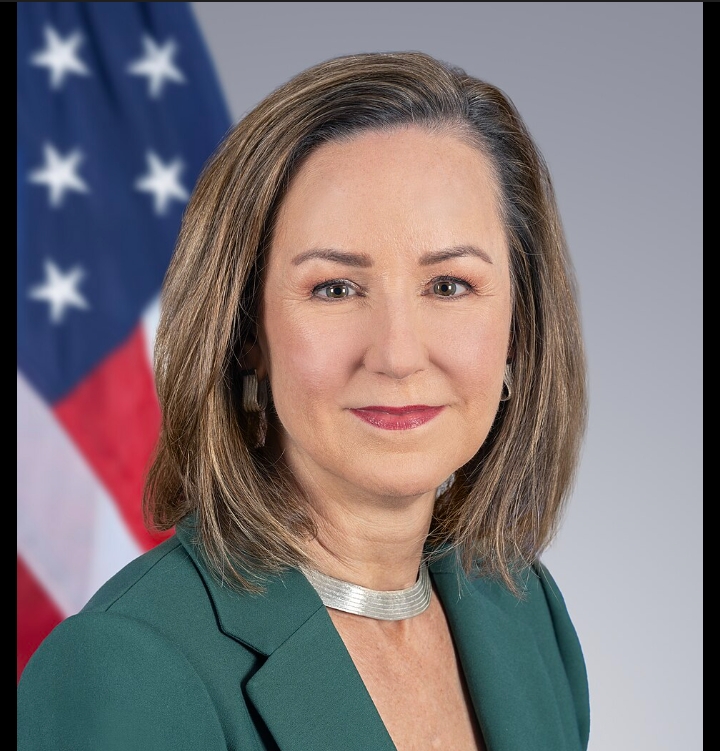
Speaking on the development, Pamela Tremont, the ambassador to Zimbabwe representing the United States Embassy Harare, said the withdrawal marked a disappointing turn in efforts to strengthen bilateral health cooperation.
“We believe this collaboration would have delivered extraordinary benefits for Zimbabwean communities—especially the 1.2 million men, women, and children currently receiving HIV treatment through U.S.-supported programs,” she said. Ambassador Tremont added that the United States would now begin the process of winding down its health assistance in Zimbabwe, describing the move as difficult and regrettable.
The proposed MOU was expected to become the largest single health investment in Zimbabwe by any international partner. It was structured around a co-funding model aimed at ensuring sustainability and helping Zimbabwe move toward long-term self-reliance in financing its health sector.
Under the arrangement, Zimbabwe would have gradually increased domestic health funding while receiving continued support from the United States. The initiative was designed to build on more than US$1.9 billion in American health assistance provided to Zimbabwe since 2006, which officials say has played a key role in strengthening national health systems and expanding access to treatment.
U.S. officials noted that Zimbabwe’s health gains include progress toward global HIV targets set by UNAIDS, including the internationally recognized 95-95-95 goals aimed at diagnosing, treating, and suppressing HIV infections.
Across Africa, at least sixteen countries have signed similar health collaboration agreements with the United States. These arrangements collectively represent more than US$18.3 billion in health investments, including over US$11.2 billion in U.S. assistance and approximately US$7.1 billion in co-investment from participating countries.
Ambassador Tremont said the agreements were designed to ensure accountability and transparency while promoting shared responsibility between donors and partner governments.
“The United States has a responsibility to American taxpayers to invest their resources where mutual accountability, transparency, and shared commitment are assured,” she said.
While acknowledging Zimbabwe’s decision, U.S. officials said they hope the country will continue sustaining efforts to combat HIV/AIDS and other major health challenges independently.
Zimbabwean authorities have indicated they remain committed to maintaining progress in the fight against HIV/AIDS and strengthening the country’s health system despite the end of negotiations.


