
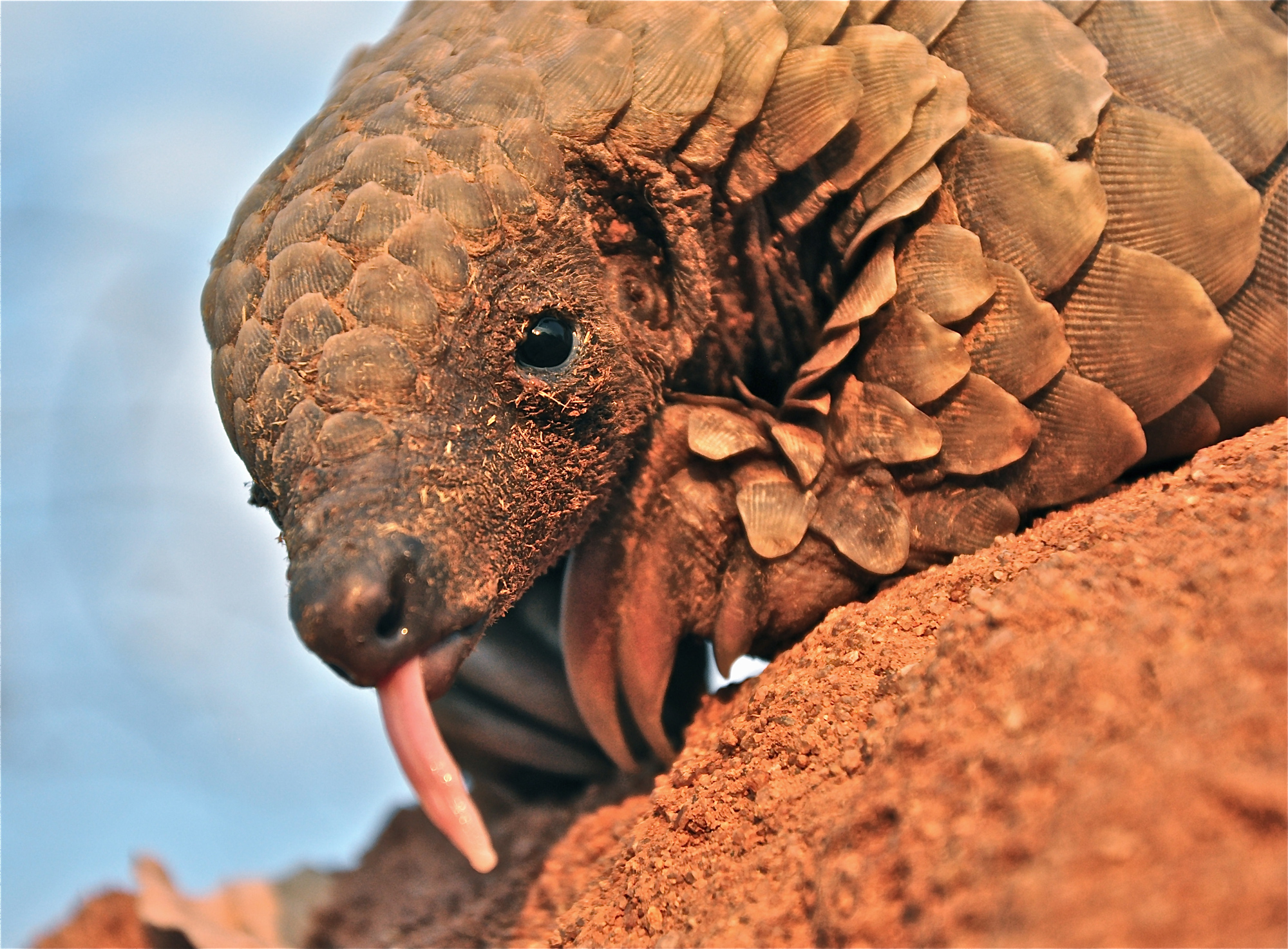
Marking World Pangolin Day on 21 February 2026, conservationists have raised alarm over the continued illegal trade in pangolins, with a new report revealing that more than half a million animals were seized globally between 2016 and 2024.
According to the report *Conservation Status, Trade and Enforcement Efforts for Pangolins*, an estimated 530,978 pangolins were involved in 2,222 seizures recorded during the eight-year period. Pangolin scales accounted for 99 percent of all confiscated parts, underscoring the persistent demand driving exploitation.
The report was prepared by experts from the International Union for Conservation of Nature Species Survival Commission Pangolin Specialist Group for the Convention on International Trade in Endangered Species of Wild Fauna and Flora Secretariat. Drawing on information from 32 countries, including 15 pangolin-range states, the study provides one of the most comprehensive assessments of pangolin conservation and trade to date.
There are eight species of pangolins worldwide, four of which are found in Africa. All species face serious threats and are classified from vulnerable to critically endangered. Despite receiving the highest level of international protection through trade bans and conservation listings, pangolins continue to be trafficked extensively.
The report indicates that 49 countries were linked to pangolin seizures during the review period, with just 10 countries accounting for 96 percent of confiscated animals. China and Viet Nam were identified as major destinations for illegal pangolin products, while Nigeria, Mozambique, Cameroon and Congo were among the main countries of origin. The most frequently detected trade route was from Nigeria to Viet Nam.
Experts warn that seizure figures represent only a portion of the illegal trade, as many shipments evade detection. The report also highlights significant gaps in scientific knowledge, particularly regarding pangolin population sizes and distribution in the wild. Pangolins are difficult to study because of their secretive and largely nocturnal behaviour, making conservation planning more challenging.
Peter Knights, Chief Executive Officer of Wild Africa, said pangolins are especially vulnerable because they reproduce slowly and have few natural predators. He stressed that improved enforcement and increased public awareness are essential to prevent further declines.
Despite the challenges, conservation progress is being made in several African countries. Nigeria has introduced stronger wildlife protection laws, while Namibia has implemented a national management plan that has already supported the rescue and release of dozens of pangolins. Cameroon has also strengthened enforcement and recorded declining market prices for pangolin scales, an indicator of reduced demand.
The report recommends improved monitoring and stronger collaboration with local communities to ensure long-term protection. Conservationists say World Pangolin Day serves as a reminder that urgent and coordinated action is needed to safeguard one of the world’s most unique and threatened mammals.


