
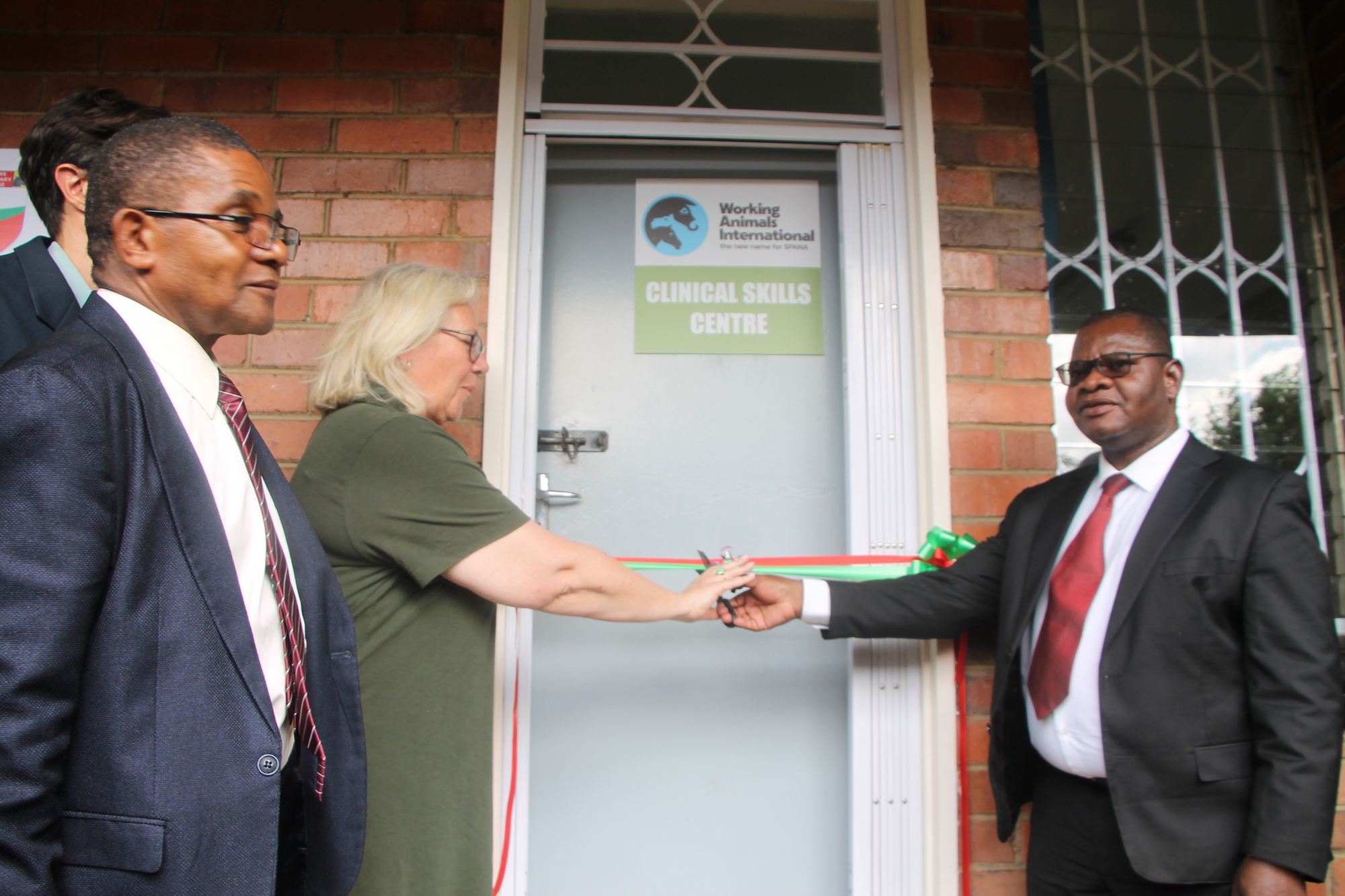
In Zimbabwe a major step has been taken towards improving veterinary education and working animal welfare following the launch of a fully equipped Equine Clinical Skills Centre at Mazowe Veterinary College through a partnership involving (Working Animals International), formerly SPANA, and AWARE Trust Zimbabwe.
The facility was officially handed over on Wednesday by Permanent Secretary in the Ministry of Agriculture Prof. Dr. Obert Jiri, who described the initiative as a strategic investment in Zimbabwe’s livestock and veterinary sector.
Valued at nearly US$13 000, the centre is expected to strengthen practical veterinary training, equine healthcare and disease surveillance while improving the welfare of working animals across the country.
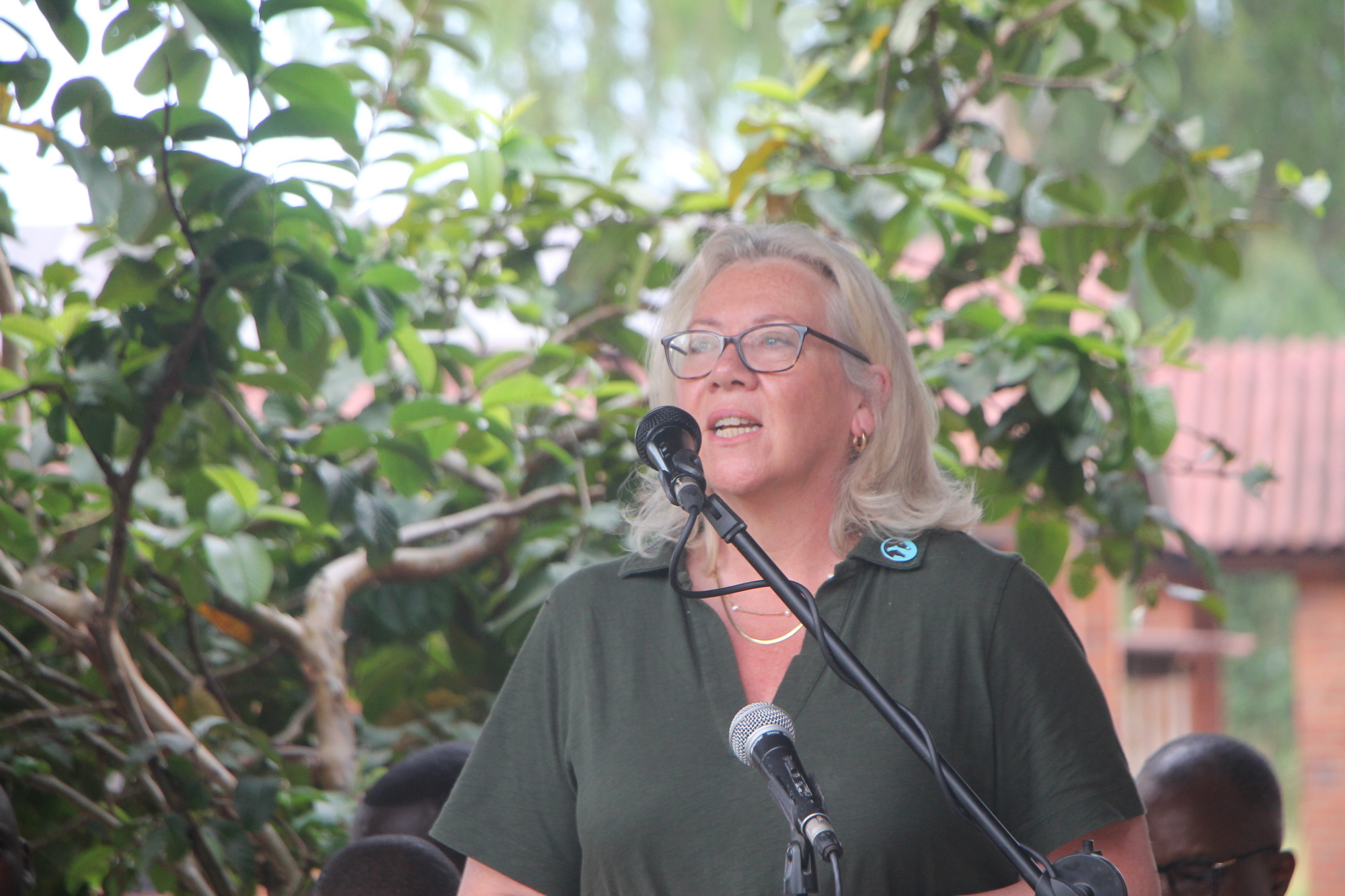
Speaking during the handover ceremony, the Director of Working Animals International, Linda Edwards, said the organization remained committed to improving the welfare of working animals globally.
“Originally known as the Society for the Protection of Animals in North Africa, the organization later evolved Originally known as the Society for the Protection of Animals in North Africa, the organisation later evolved and rebranded to Working Animals International. We have not changed our mission. Working animals remain at the heart of what we do,” said Edwards. “By having a name now that says firmly what we do, we will be able to open more doors and have more conversations to ensure that working animals are not overlooked.”
She said the organisation hoped the new identity would help place working animal welfare firmly on the agenda of policymakers locally and internationally.
Edwards said the Mazowe project was the first of its kind and could become a model for veterinary training internationally.
“This is the first of its kind. People are going to be copying what you are going to be doing here,” she said.

Complimenting her speech, Dr Keith Dutlow the director of AWARE said that the organization believed in improving animal welfare through what it termed the “three Ws” — welfare, worth and world.
“The first one is welfare. We want the quality of life for working animals to improve,” he said. “The second is worth, meaning the contribution these animals make to communities must be recognized and valued. The third is ensuring that the world of working animals thrives sustainably alongside people and the environment.”
Dutlow highlighted the important role donkeys and horses continue to play in rural livelihoods.
“You don’t need fuel, oil, tyres or expensive servicing. All a donkey needs is food, water and proper care,” he said.
Dr Dutlow explained that the project began following discussions held in March 2020 between veterinary experts and the college leadership before being delayed by the COVID-19 pandemic.
“Within a week of agreeing to that, COVID-19 struck and the college closed for the better part of two years,” said Dutlow.
He said the initiative later resumed in 2023 before a Memorandum of Understanding was signed in May 2024.
“It has taken some time to renovate and then to get all the equipment installed and all the staff up and running, but we are finally here,” he said.
Dutlow said the organization would continue supporting the facility beyond the handover ceremony.
“Even though we are handing it to you, we are not leaving you alone with it. We will help maintain it and expand the scope of its work as time goes by,” he said.
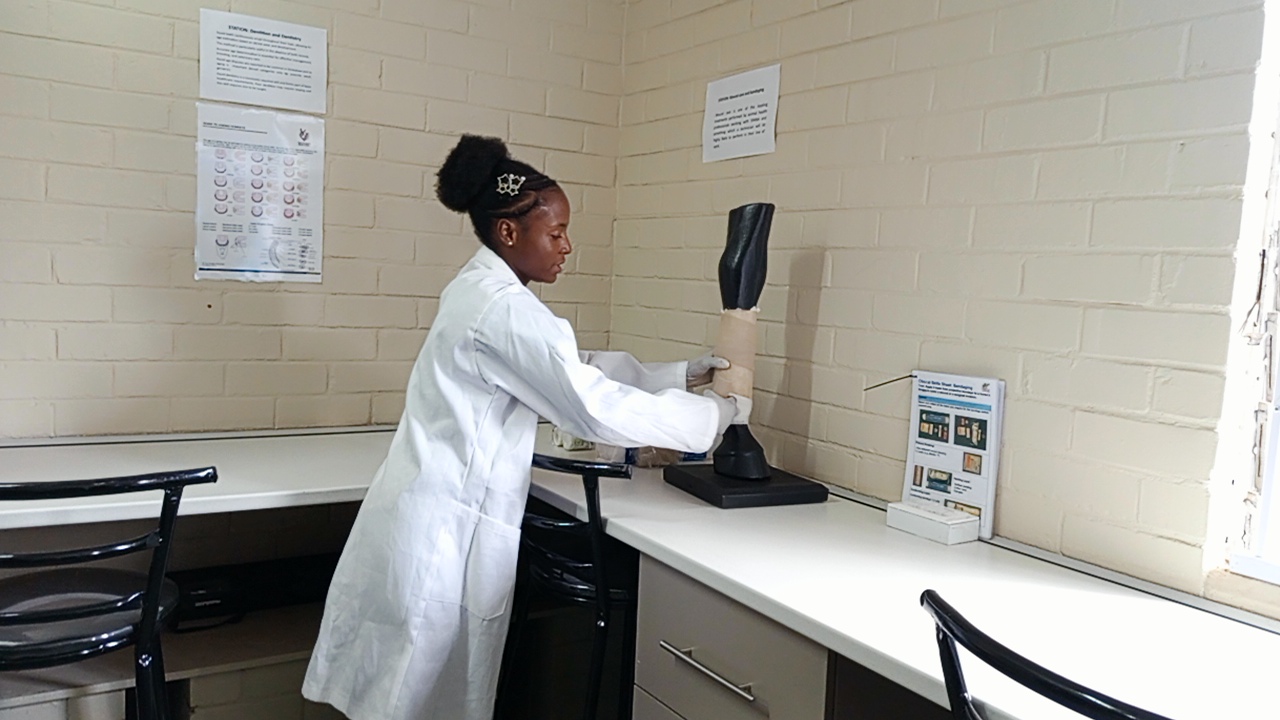
Receiving the donation on behalf of Government, Prof. Jiri said the facility had come at a critical time as Zimbabwe and the Southern African region continue battling livestock diseases such as Foot and Mouth Disease (FMD).
“This donation comes at a critical time in our region,” said Prof. Jiri. “Controlling FMD and other trans-boundary animal diseases demands not only vaccines, but also skilled personnel who can diagnose, respond and prevent outbreaks at community level.”
He said the clinical skills centre would strengthen Zimbabwe’s capacity to train veterinary professionals equipped with expertise in disease surveillance, biosecurity and rapid response systems.
“This is not merely an act of generosity. It is a timely strategic intervention to fight animal disease and secure regional animal health,” he said.
Prof. Jiri said the facility aligned with Zimbabwe’s Vision 2030 agenda and broader agricultural transformation strategy.
“This facility represents more than bricks and mortar. It is a symbol of what can be achieved when compassionate international partners, local trusts and government institutions unite for a common purpose,” he said.
He noted that livestock remains central to the livelihoods of nearly 60 percent of Zimbabwe’s rural population.
“Graduates from this centre will go directly into villages, growth points and extension centres to protect and grow the national herd,” he said.
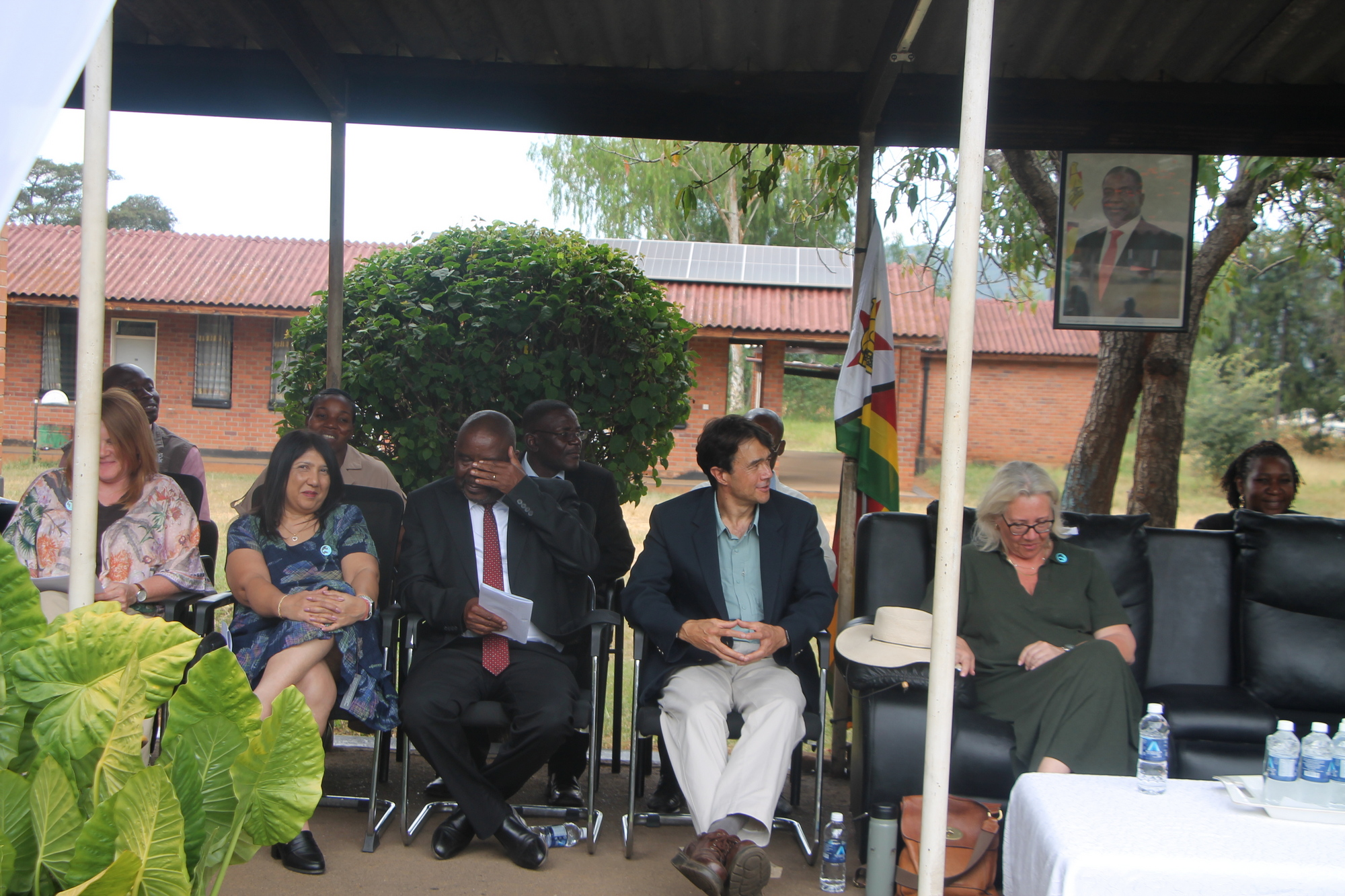
Students pursuing a Diploma in Animal Health and Production, Mukwekwe Thandiwe and Tanatswa Mangura, demonstrated the use of the new facility to government officials and guests during the event.
The centre is expected to train veterinary technicians in practical competencies including blood collection, dosage calculations, antimicrobial stewardship, animal welfare assessments and disease management, with a strong focus on improving the welfare of working animals in Zimbabwe.


