
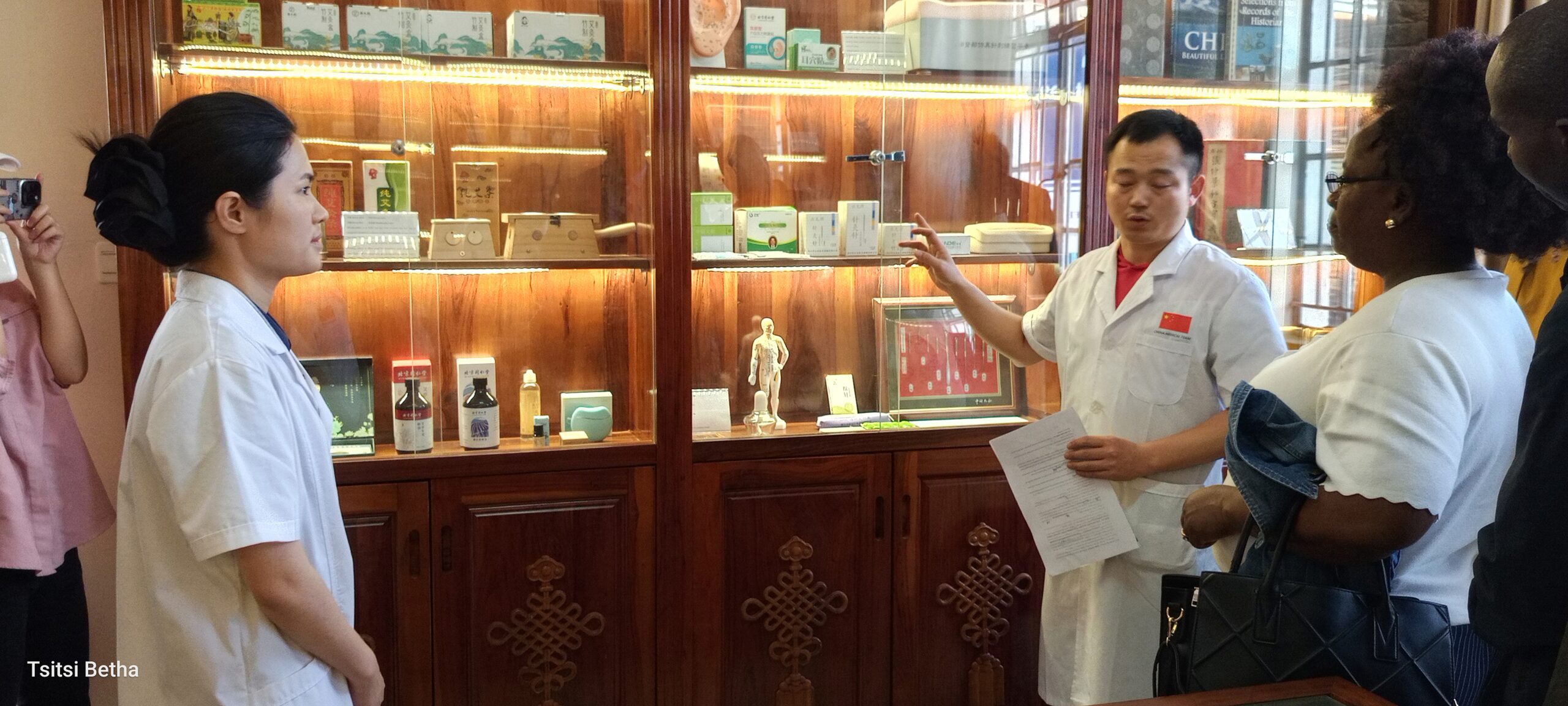
Zimbabwe’s first official Traditional Chinese Medicine (TCM) Centre is steadily expanding its footprint beyond Harare, with growing patient demand and plans to adapt Chinese medical practices using locally available medicinal plants.
The development was highlighted during a cultural exchange and publicity event hosted by the Confucius Institute at the University of Zimbabwe in partnership with the China Medical Team to Zimbabwe at the China-Zimbabwe Traditional Chinese Medicine Centre at Parirenyatwa Group of Hospitals.
The programme brought together high school principals and coordinators from Chinese language teaching centres across Zimbabwe for guided tours of the facility, lectures on traditional Chinese medicine, discussions on China-Africa cultural cooperation, and demonstrations of TCM therapies, including free acupuncture sessions.
Officials said the event reflected ongoing efforts to strengthen health and cultural cooperation between Zimbabwe and China while introducing more Zimbabweans to traditional Chinese medicine.
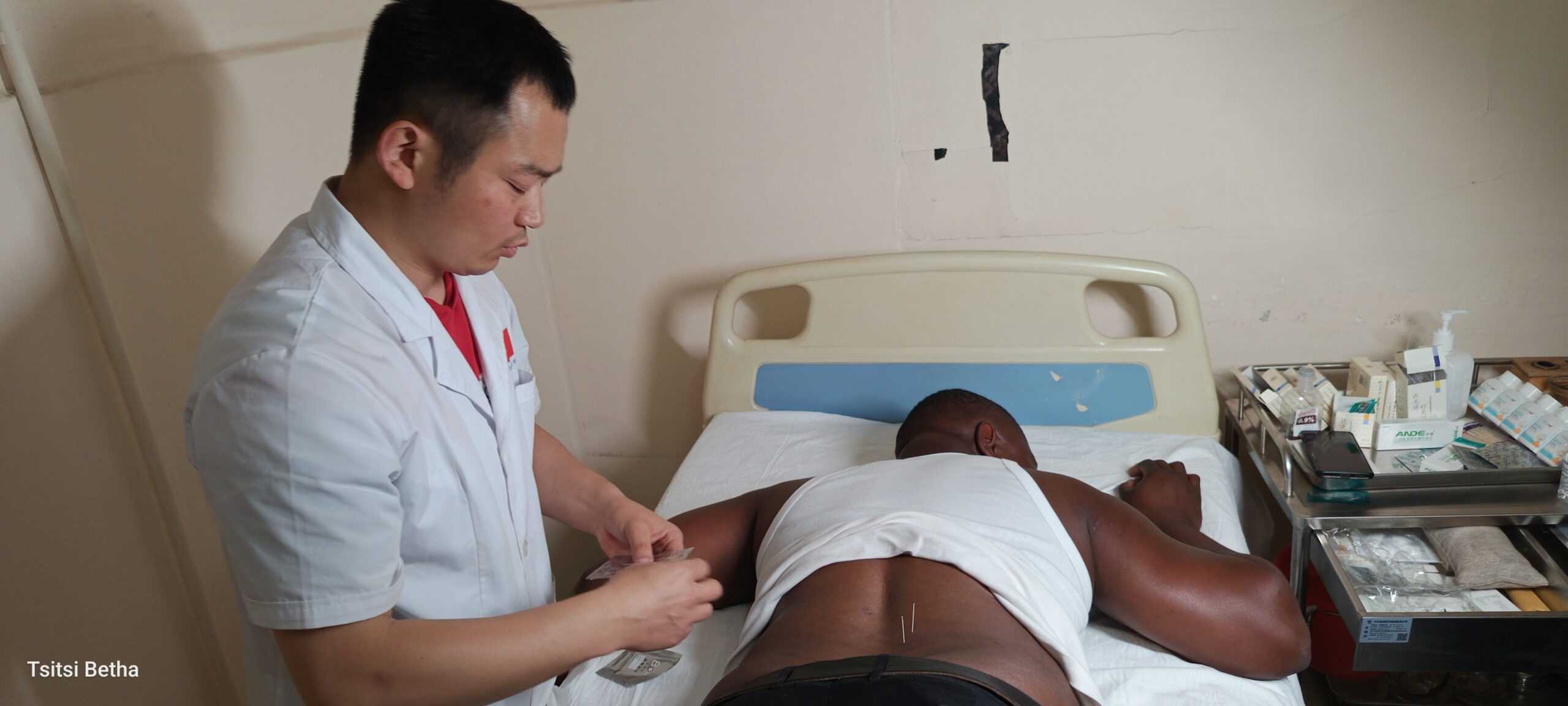
The centre has rapidly established itself as a key provider of complementary healthcare services since opening its doors. According to Dr Peng Jie of the China Medical Team, more than 18,000 Zimbabwean patients have received treatment at the facility, while over 300 local health practitioners have undergone training through both face-to-face and online programmes.
“Since the centre was founded, we have attended to over 18,000 local patients. We are also teaching local doctors, over 300 including those on the online course,” said Dr Peng.
While the centre currently focuses on acupuncture, cupping, therapeutic massage and herbal consultations, plans are underway to broaden its treatment options by researching Zimbabwean medicinal plants that could be incorporated into traditional Chinese medicine practices.
Dr Xue Lixia explained that restrictions on importing Chinese herbal medicines have prompted the team to explore locally available alternatives without compromising the principles of TCM.
“Nowadays we just offer acupuncture, cupping and massage, and herbal consultation, because the herbs are hard to bring into Zimbabwe due to import and export policy. We are building a laboratory to find whether local herbs can be used, guided by our TCM theory, to treat people here. There is no limitation,” she said.
She added that although the clinic has been providing services free of charge, any future fees would be kept minimal and would only cover operational costs.
“It is not our aim to charge our patients. Acupuncture at a private clinic can cost 100 to 200 dollars here, but we may only take 10. Even if we charge, it will just be the running fee of the clinic,” said Dr Xue.
The centre has also begun taking its services into communities outside the capital through outreach programmes, including a recent two-day free medical outreach in Bikita, where residents accessed acupuncture and other therapies.
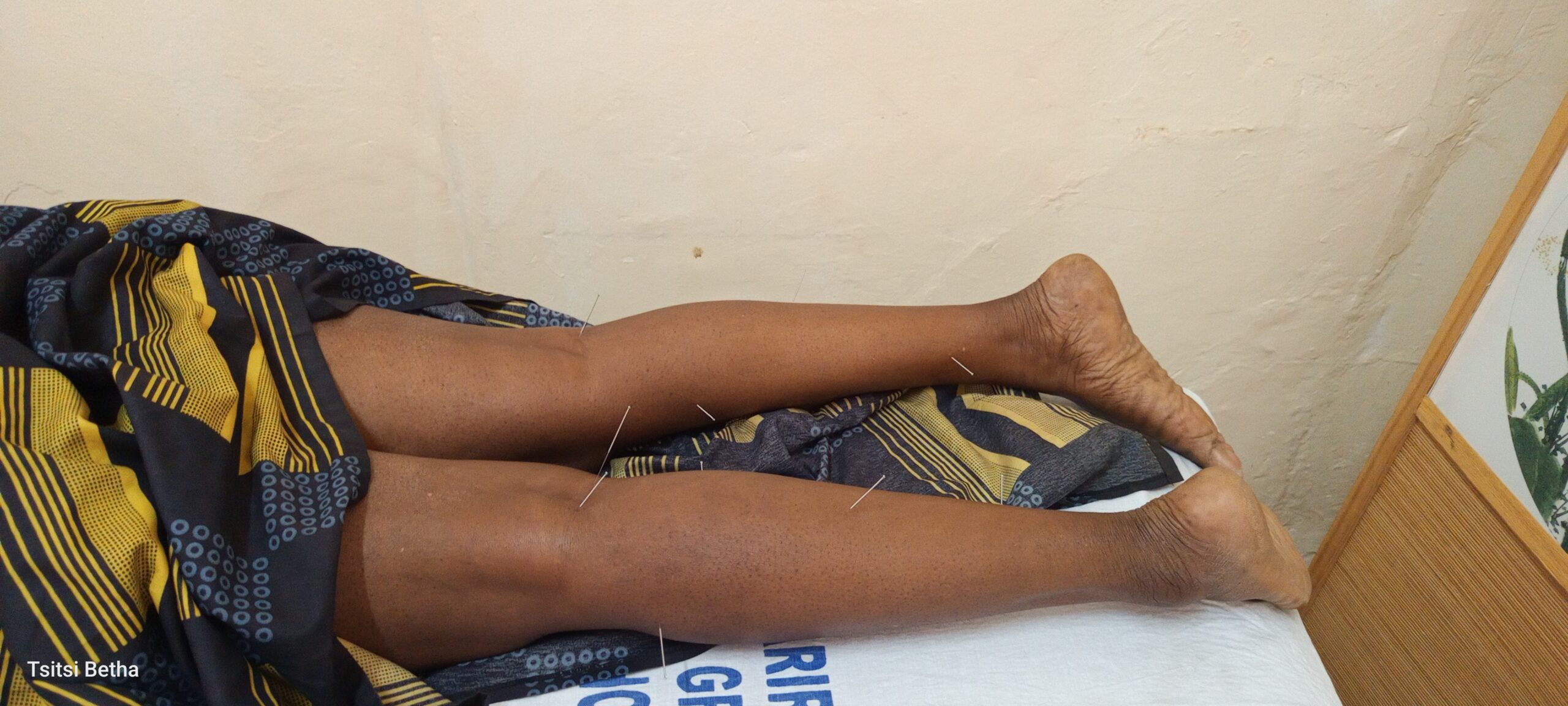
Administrative assistant Charlotte Muziri said the growing popularity of the facility has largely been driven by patient referrals, with many people recommending the centre after experiencing positive treatment outcomes.
“I help mostly with the administration between the patients and the doctors, so that it’s a seamless service provision for our local community,” she said.
Muziri noted that the centre commonly treats conditions such as chronic back pain, joint pain, migraines, chest pain and supports lifestyle management for non-communicable diseases including hypertension. She said patients of all ages, from infants to the elderly, continue to seek treatment at the facility.
The cultural exchange coincided with the arrival of ten additional Chinese doctors deployed to Zimbabwe under the China Medical Team programme, reinforcing bilateral cooperation in healthcare delivery.
Jointly managed by the China Medical Team to Zimbabwe and the Confucius Institute at the University of Zimbabwe, the China-Zimbabwe Traditional Chinese Medicine Centre is regarded as the first official TCM centre in Zimbabwe and the largest facility of its kind in Southern Africa.


