
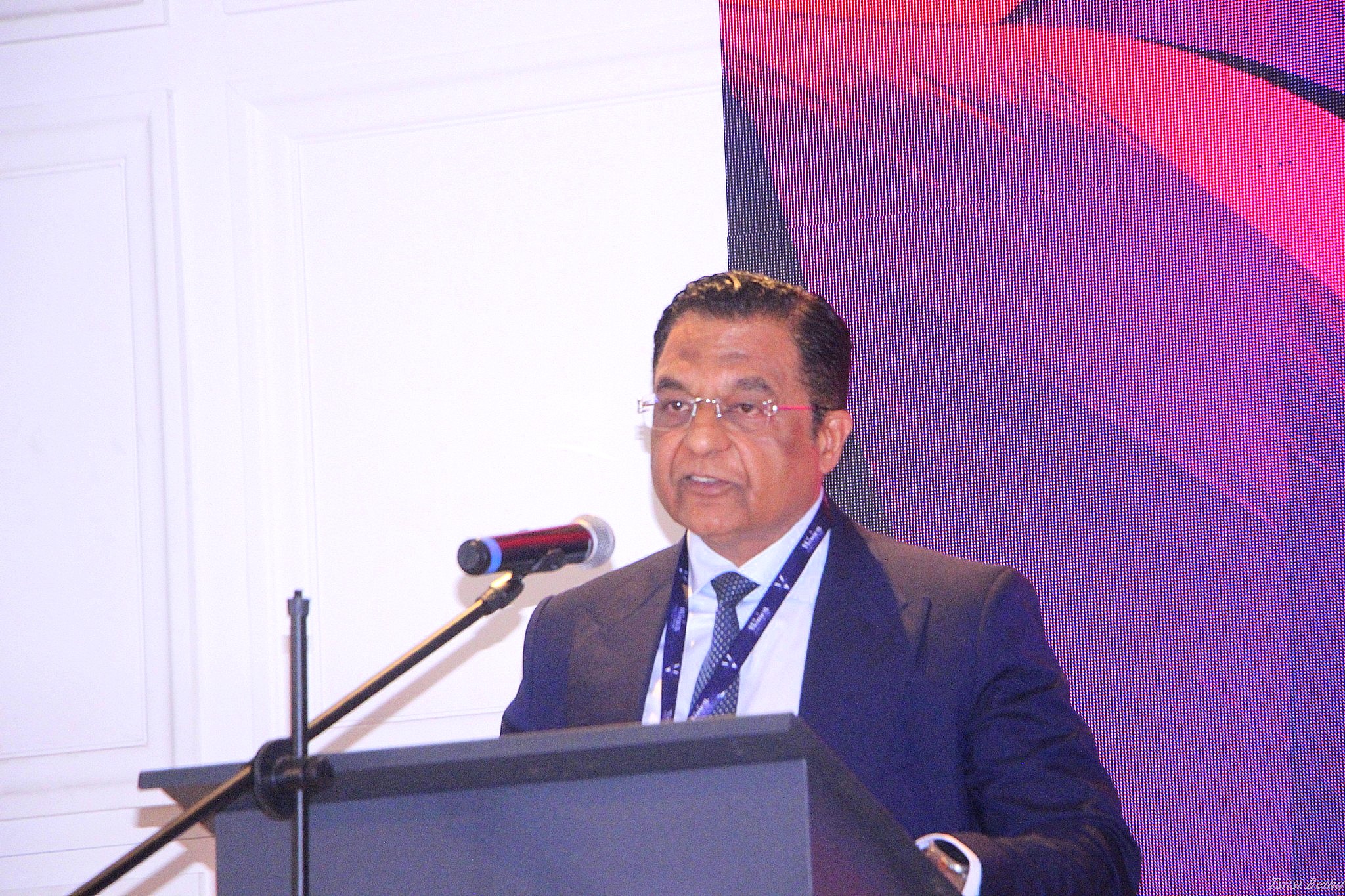
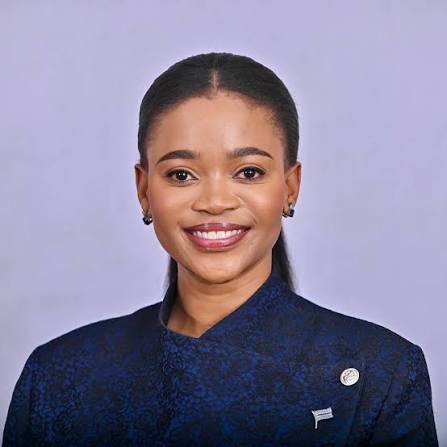
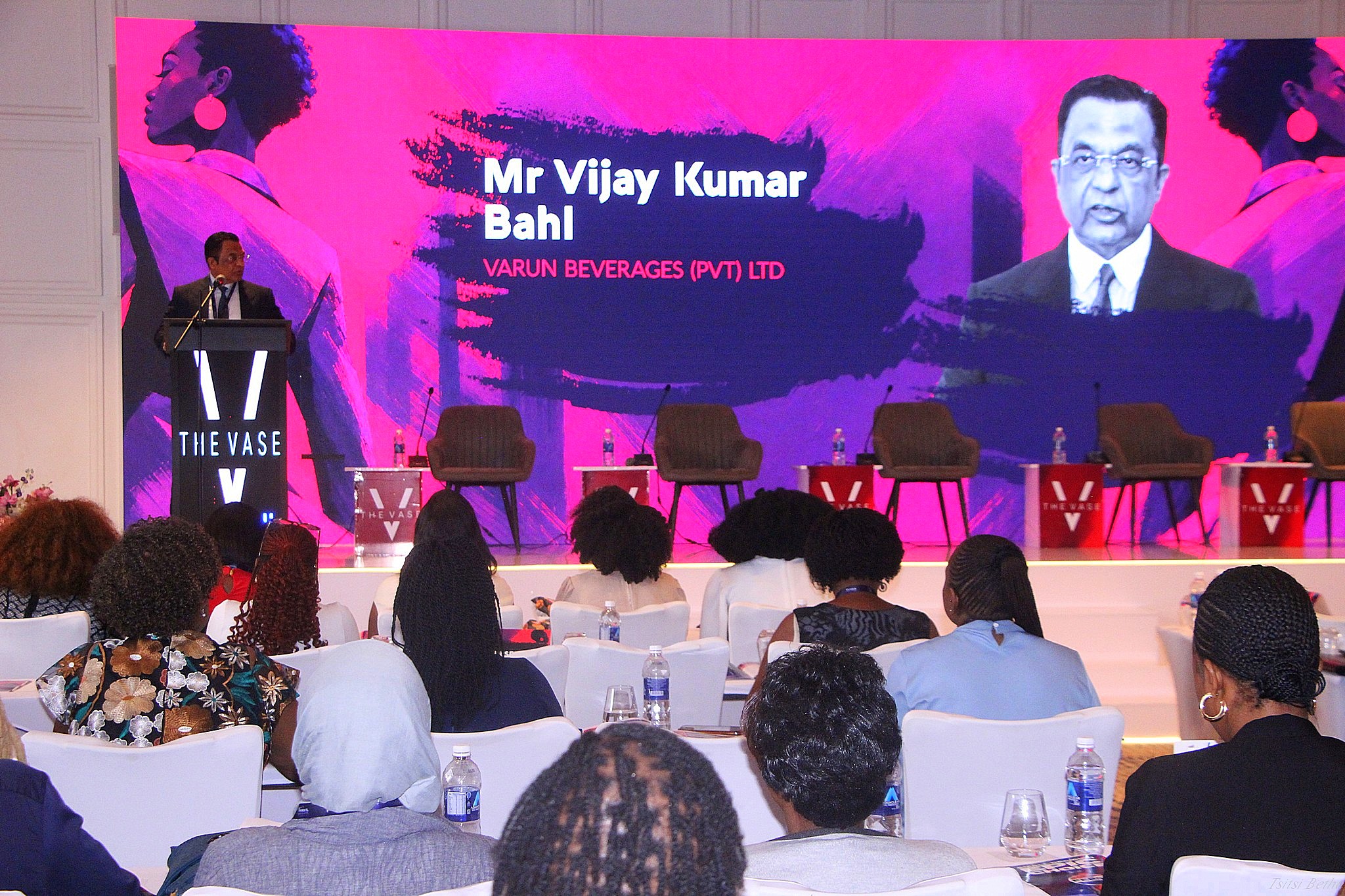
Women-owned businesses must be given greater access to corporate supply chains, leadership positions, finance and regional markets if Africa is to accelerate industrialisation and economic growth, Varun Beverages representative Vijay Kumar Bahl and Botswana’s Minister of Minerals and Energy, Bogolo Joy Kenewendo, have said.
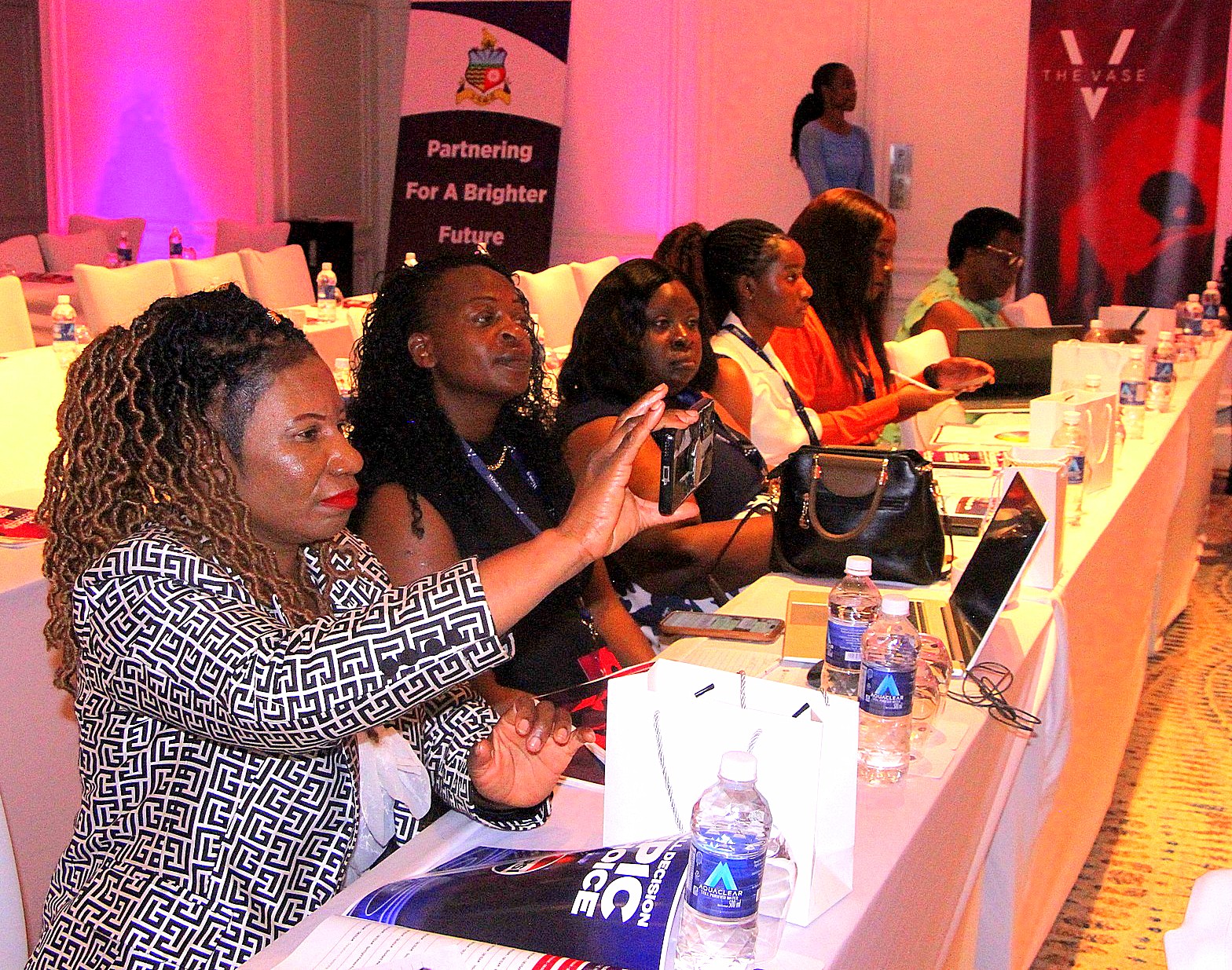
Addressing the Women Trade & Leadership Summit 2026 at Hyatt Regency Harare on Thursday, 22 October, Bahl outlined opportunities for women entrepreneurs to supply large companies and participate in expanding value chains, while Kenewendo, delivering her keynote address by video call, called for institutions to create measurable pathways for women’s advancement.
The two speakers said women’s economic participation needed to move beyond public commitments towards practical opportunities to build businesses, access markets and influence decisions.
Bahl used his own business journey in Zimbabwe to illustrate the potential for investment and enterprise growth. He said that when he arrived in the country in 2018, Varun Beverages had one production line and was producing approximately eight to nine million bottles a month. The operation had since expanded to 11 production lines, with capacity to make, sell and deliver 110 million bottles monthly, according to his address.
Recalling an early experience at Unilever in India, where a female finance manager helped him resolve a difficult accounting problem, Bahl said her guidance had shaped his understanding of career development.
He recalled her telling him: “A career is a big marathon and full of hurdles, but it’s made of small, small races, and we have to win each race to win this marathon.”
Turning to women entrepreneurs, Bahl identified four recurring obstacles: limited access to finance, difficulty reaching major buyers, insufficient access to technology and research, and barriers to entering corporate supply chains.
He said banks often required land titles or other collateral that many women entrepreneurs did not possess, while smaller businesses struggled to reach supermarkets and large corporate customers even when they had products ready for sale.
“Talent was never the problem. Opportunity was,” he said.
Bahl said businesses could improve their chances of securing supplier opportunities by formalising their operations, registering their companies, meeting tax obligations, maintaining business bank accounts and keeping reliable financial records.
He encouraged women entrepreneurs to demonstrate consistent product quality, deliver orders on time and build a track record that would allow them to progress from small orders to larger contracts.
Potential opportunities in the company’s supply chain included packaging, labels, cartons, pallets, transport and logistics, marketing services and agricultural supplies. He also discussed opportunities associated with the company’s beverage distribution network and recycling activities.
Bahl said Varun Beverages had already distributed 8,500 pushcarts free of charge, mostly to women vendors, and provided free ice and delivered stock to support their trading activities.
He said the company was discussing plans to introduce a further 1,000 pushcarts in 2027, subject to engagement with local authorities and compliance with applicable regulations.
He also said the business had begun extending credit to some vendors based on their trading histories, presenting this as an approach to helping small traders grow their operations.
Bahl said the company was reorganising its operations into four business verticals—snacks, non-alcoholic beverages, alcoholic beverages and dairy—and committed to having women lead two of the verticals. He also spoke of plans to strengthen women’s representation and develop a leadership track to prepare female employees for senior roles.
On investment, Bahl said Varun Beverages had committed at least US$650 million to Zimbabwe over the next four to five years. The scope and timing of the investment were presented in his remarks.
He separately discussed a possible dairy initiative involving an additional US$75 million to US$100 million and support for farmers. However, he stressed that the dairy proposal was not yet a formal company commitment because the business was seeking to acquire a majority stake in a dairy company and the matter remained before the Competition Commission.
His vision for the dairy sector included milk collection centres, reliable market access and timely payments to small-scale farmers, including women. He also discussed the possibility of supporting women farmers with cows as part of a broader effort to increase local milk production.
Bahl said private companies, financial institutions and government each had a role in helping women-owned enterprises grow. Corporates, he argued, should open procurement opportunities to women suppliers, provide mentorship on meeting business standards and pay invoices on time.
He challenged companies to publish annual figures showing how many women-owned businesses they engaged as suppliers, while urging banks to consider cash flow and trading records alongside traditional collateral requirements.
He also highlighted the African Continental Free Trade Area as an opportunity for Zimbabwean women-owned businesses to expand into regional markets, saying companies operating across multiple African countries could help create connections beyond national borders.
Bahl closed with a call for leaders to create opportunities for the next generation of women entrepreneurs and executives, arguing that progress should be measured by how many women advance from small-scale trading into distribution, manufacturing and regional exports.
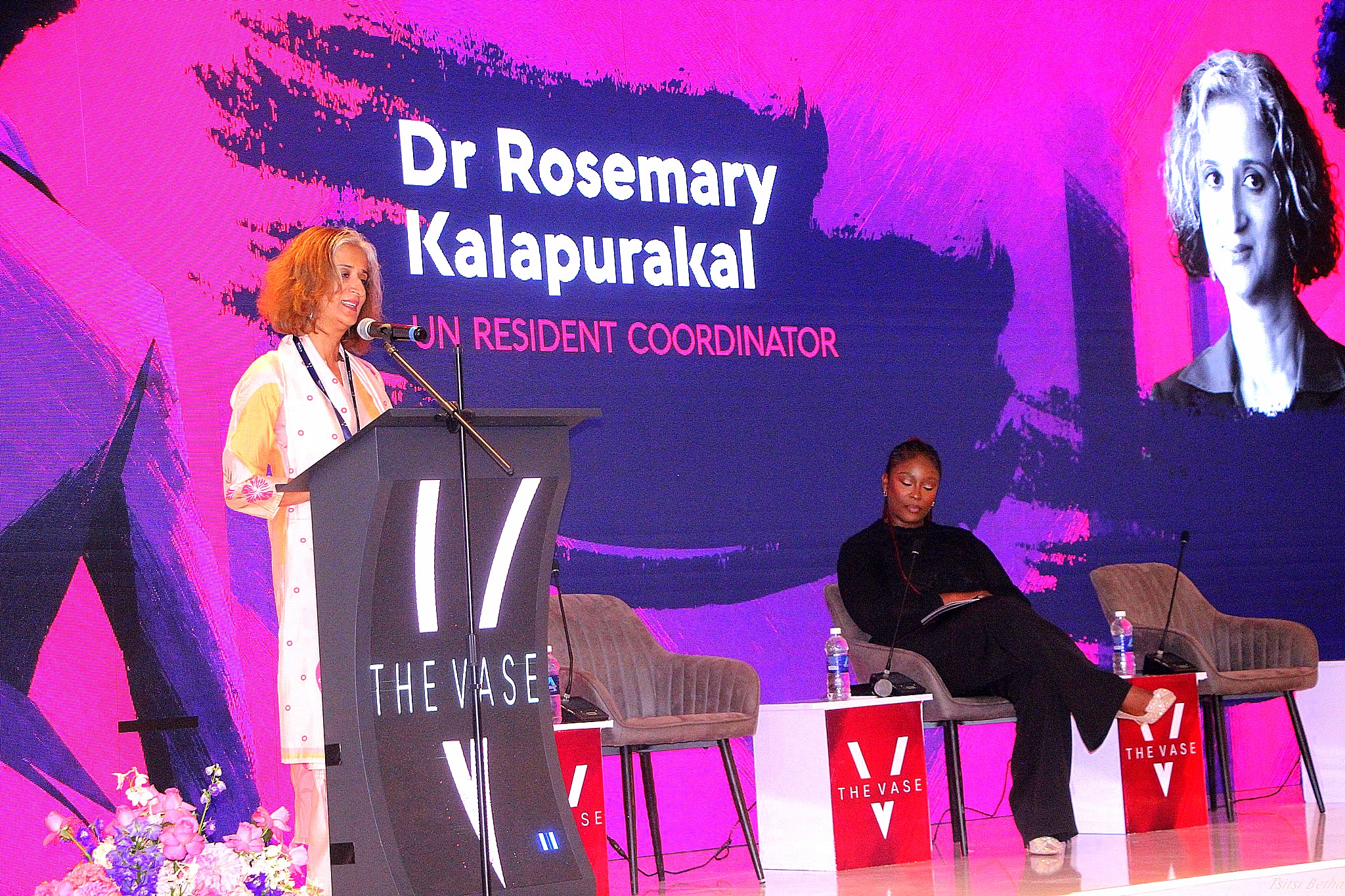
In her keynote address delivered by video call, Kenewendo said Africa’s economic ambitions could not be achieved through natural resources and policy alone without unlocking the capabilities of women, who make up a substantial share of the continent’s population.
“Empowering women is not a social obligation but an economic imperative,” she said.
Drawing on her experience in public leadership, Kenewendo said women frequently entered institutions and industries where structures had not been designed to accommodate them adequately.
She recounted that when she entered Botswana’s Parliament in 2016, she was the 21st woman to serve there, yet women still had no designated bathroom in the parliamentary building and used a facility designated for people with disabilities.
The example, she said, demonstrated that women’s inclusion required more than allowing them into institutions; infrastructure and organisational systems also needed to reflect their participation.
Kenewendo, who serves as Botswana’s Minister of Minerals and Energy, said women had a role to play across mining, energy, agriculture, technology, finance, manufacturing and infrastructure. She argued that sectors historically dominated by men could benefit from women’s ideas, leadership and expertise.
She cited the Dangote refinery as an example of African industrial ambition, investment and execution, arguing that women should be part of the leadership shaping major industrial enterprises.
Kenewendo urged governments, corporations, financial institutions and development partners to create measurable routes for women to advance into senior positions.
These included funded leadership-development programmes, succession plans that deliberately identify female talent and sponsorship systems that connect women to opportunities rather than leaving advancement to chance.
She also called for workplace policies that recognise family responsibilities, including maternity leave and paternity leave that enables fathers to share caregiving duties more equitably.
On entrepreneurship, Kenewendo said procurement could provide a direct route for women-owned businesses to grow, arguing that government institutions, development organisations and major companies should examine how much of their procurement spending reaches women-led enterprises.
She said contracts, supplier-development programmes and access to markets could provide women with opportunities to expand their businesses beyond reliance on grants.
Kenewendo also urged experienced women in business and public service to mentor emerging leaders, proposing that every executive, entrepreneur, government leader and professional woman commit to developing at least one future leader each year.
She said sustained action over time could reshape Africa’s leadership landscape and urged women to take an active role in defining the continent’s economic future.
“The future of Africa will be written today,” she said. “Women must not simply feature in that story. Women must help author it.”
The contributions by Bahl and Kenewendo placed private-sector access, institutional reform and women’s leadership at the centre of discussions on trade and economic transformation, with both speakers emphasising the need to turn commitments into opportunities that women can use to grow businesses and influence the direction of African economies.


