
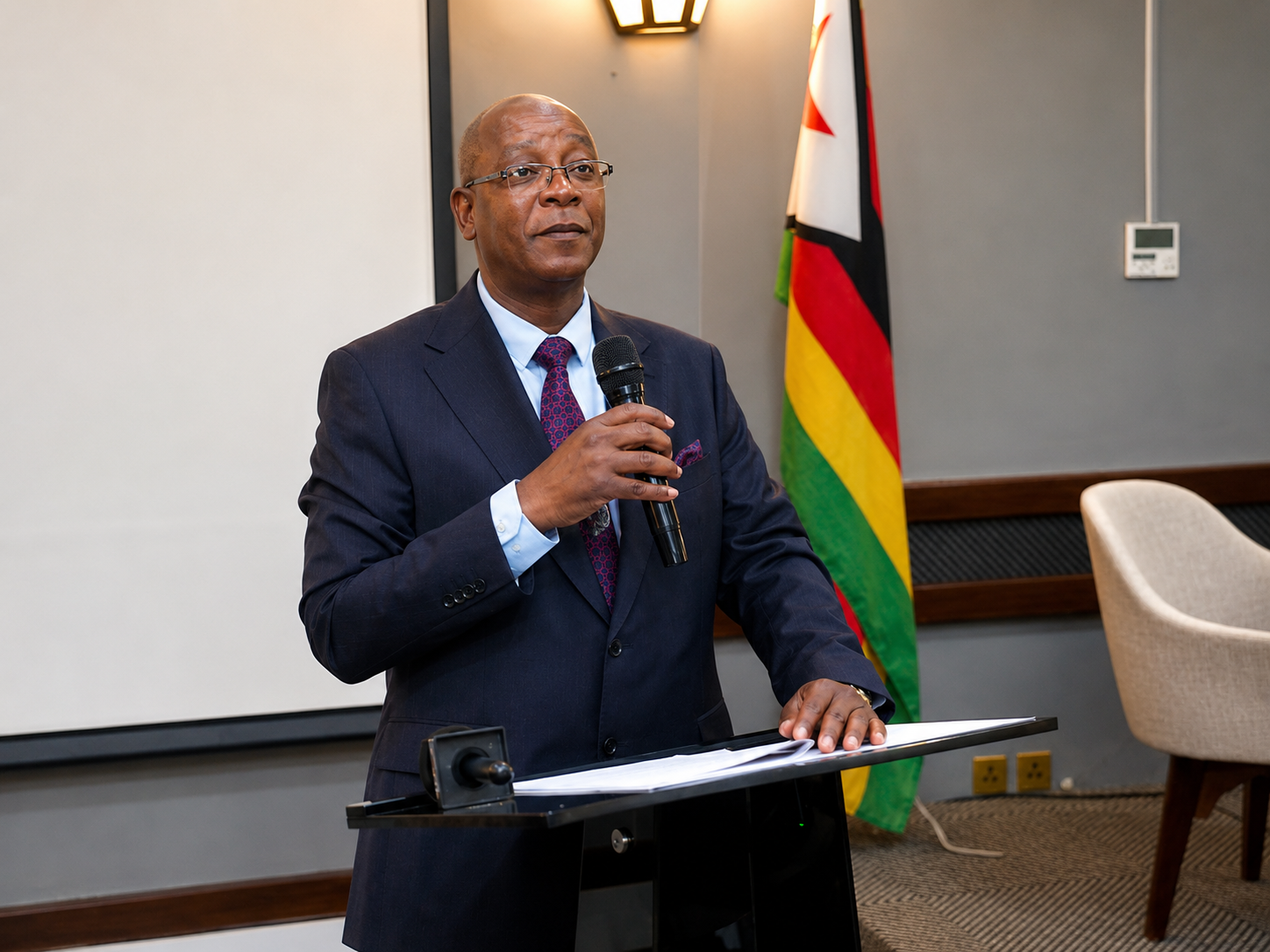
Minister of Justice, Legal and Parliamentary Affairs Hon Ziyambi Ziyambi convened a high-level breakfast meeting on intersex rights and inclusion at the Holiday Inn Hotel in Harare on Wednesday, bringing senior officials, medical professionals, civil society groups and intersex-led organisations together to confront gaps in the country’s legal, medical and social systems.
The engagement, hosted by the Justice Ministry, drew Minister of Public Service, Labour and Social Welfare Hon Edgar Moyo and Minister of Health and Child Care Hon Dr Douglas T. Mombeshora, while Deputy Minister of Justice, Legal and Parliamentary Affairs Hon Advocate N.T. Mazungunye also participated.
The officials used the platform to acknowledge that existing statutes, documentation systems, healthcare guidelines and institutional procedures fail to adequately serve intersex persons, whose recognition as equal citizens formed the central theme of the discussions.
The workshop followed national legal research and consultations documenting the lived experiences of intersex persons, work supported by the United Nations Development Programme and intended to guide future policy and legal reform.
Presentations during the programme covered understanding intersex persons in Zimbabwe, a community session on lived experiences, findings from the national legal research, and a panel examining institutional responses across four areas: legal and policy reform, protection from non-consensual medical interventions, access to identity documentation, and inclusion in education, employment, sport and public services
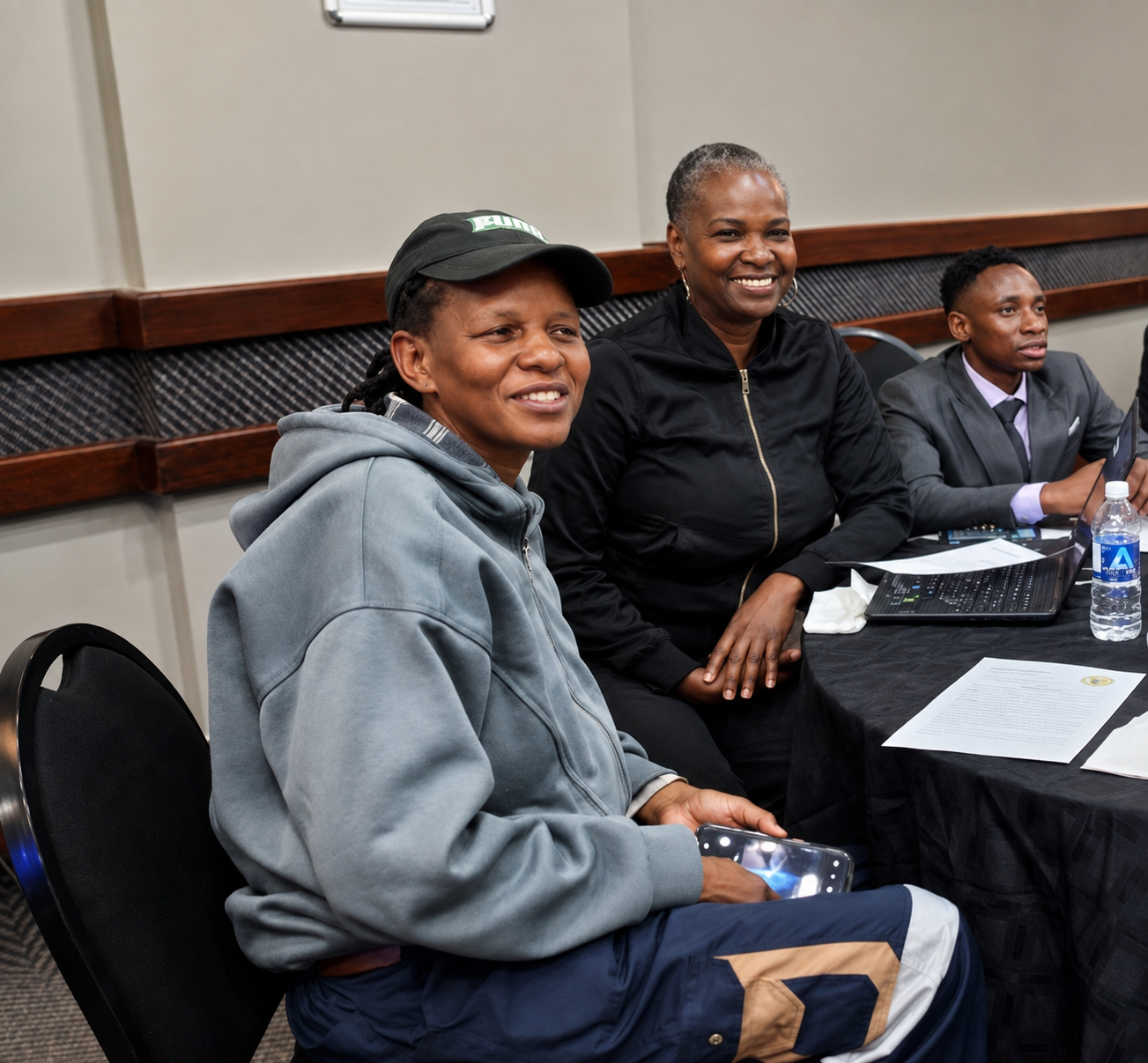
Three intersex-led organisations took part. Intersex Community Zimbabwe Trust was represented by director Tsitsi Ndabambi, Intersex Community of Zimbabwe by Kuda Murisa, who sat on the panel, and Intersex Advocate Trust Zimbabwe in Bulawayo by Malume Ngwenya.
Mothers of intersex children recounted personal experiences involving diagnosis, medical decisions, stigma and the difficulty of navigating systems built solely around male and female classifications. Dr Prisca Mureriwa of Sally Mugabe Central Hospital offered a clinical perspective, describing the complexity of intersex variations and the need for multidisciplinary care spanning medical professionals, families and psychosocial support services.
Participants said inadequate legal recognition creates consequences reaching well beyond paperwork. Intersex persons often struggle to obtain birth certificates, national identity documents and passports, while mismatches between physical characteristics and official records complicate access to schools, healthcare, banking, employment, property and immigration services.
Advocates pressed for national guidelines protecting intersex children from unnecessary or non-consensual medical interventions where no immediate health risk demands irreversible action. They also described derogatory treatment faced by parents in maternity wards and intersex persons avoiding health facilities out of fear of humiliation, pointing to a need for specialized training among healthcare workers.
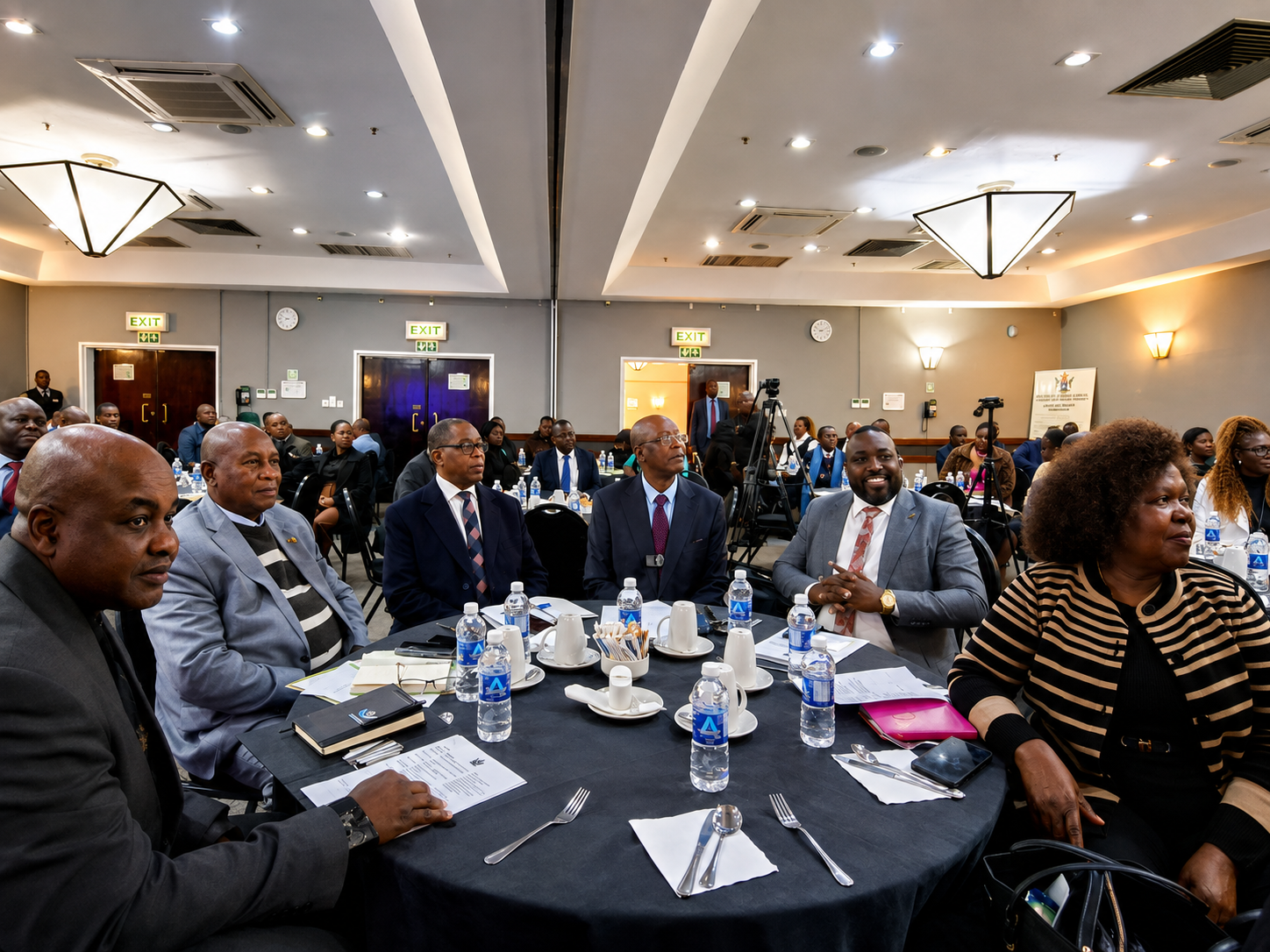
Education emerged as another pressure point, with participants citing bullying, enrolment barriers and limited understanding among teachers as obstacles preventing intersex children from learning safely.
On justice, stakeholders warned that the absence of clear protections against discrimination based on sex characteristics leaves intersex persons exposed to violence while discouraging them from reporting abuse. They called for training among police officers, prosecutors, lawyers and judicial officers.
Discussion of civil registration centred on calls for a dignified process allowing people to review official records when their sex characteristics become apparent or are understood differently later in life, alongside firm rejection of practices requiring individuals to expose their bodies to prove identity.
Minister Moyo said the discussions exposed a genuine gap in Zimbabwe’s statutes, given that current systems classify citizens strictly as male or female, and said Government must become more adaptive while acknowledging that cultural beliefs have kept intersex issues poorly understood. He pointed to his ministry’s child-protection mandate and the need to examine measures ensuring intersex children receive appropriate recognition.
Correctional facilities also featured in the discussions, with stakeholders noting the absence of standard operating procedures covering the admission, classification, accommodation, healthcare and protection of intersex inmates, and calling for rights-based approaches that safeguard dignity and safety.
Government representatives described the meeting as a learning opportunity requiring institutional training and new procedures, with the Justice Ministry indicating that findings from the consultations would be validated with stakeholders before informing concrete legal and policy proposals.
Ndabambi said the meeting marked a rare moment in which intersex concerns were discussed directly with ministers, senior officials and medical professionals in the room, after years of stigma, uncertainty around documentation, barriers to healthcare and education, and medical decisions made without informed consent.
She said the willingness of Government leaders to listen had built hope that Zimbabwe could move toward treating intersex persons as equal citizens, but stressed that dialogue must now become measurable action. ICZT’s priorities include free and accessible healthcare for intersex persons and their families, protection from non-consensual medical interventions, equal access to education, employment and public services, stronger legal protection against discrimination, appropriate legal recognition and dignified access to public facilities and places of detention. She also called for sustained public education to counter the ignorance driving stigma.
“Intersex people are not asking for special treatment, we are asking for equal rights, dignity, protection and the opportunity to live our lives without discrimination. As the President mentioned, no person should be left behind,” Ndabambi said.
Wednesday’s breakfast followed closed-door dialogues and provincial consultations held in Harare, Bulawayo and Masvingo, where intersex persons spoke in confidential settings under the principle of “Nothing About Us Without Us.” For the organisations involved, the event marked a shift from those private sessions to a public national conversation involving senior policymakers.
The Justice Ministry said the research and engagement process remains ongoing, with plans to develop concrete measures drawn from the evidence, expert input and testimony presented at the meeting, and to continue providing feedback to intersex persons and civil society organisations as the process advances.


