
Men deserve to be celebrated, appreciated and supported for the roles they play in families, communities and the marketplace, where their contributions as fathers, partners, workers, entrepreneurs and leaders help shape society. Beyond recognising their achievements, however, there is a growing need to prioritise their physical and mental wellbeing, particularly in a society where expectations of strength and provision can discourage men from seeking help.
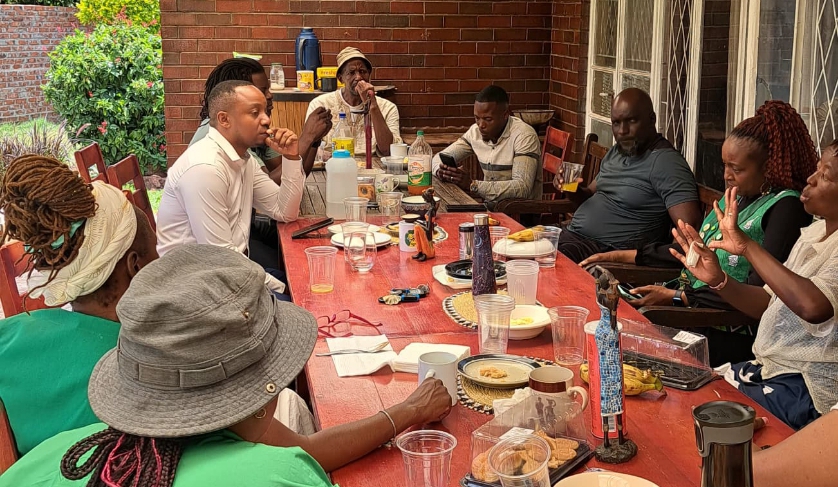
AGORA Club Zimbabwe, a women-only organisation, brought men and women together for a dialogue on 7 November 2026 to examine these issues, with the discussion held under the theme “Redefining Masculine Resilience in Times of Economic and Environmental Shock.”
The gathering formed part of November’s Movember men’s health awareness campaign, which promotes conversations around mental health and suicide prevention, prostate cancer and testicular cancer.
The event provided a platform for participants to reflect on the pressures men face, including financial insecurity, family responsibilities, emotional isolation and the stigma associated with expressing vulnerability.
Among the men who attended were businessman and seasoned model Edmore Shingi Sakarombe, fitness instructor Marshall Dodo, developer Tendai Chikondo and reggae musician Paul Mwana, popularly known as Junior Bantan. They joined the discussion and shared their perspectives on masculinity and men’s wellbeing.
The importance of the dialogue is ruled by global health concerns. According to the w (WHO), more than 740,000 people die by suicide annually, with financial problems, relationship disputes, chronic illness and social isolation among the factors that may contribute to suicidal behaviour. The organisation stresses that suicide is preventable through timely, evidence-based interventions and coordinated support.
Movember, a global men’s health movement, identifies mental health and suicide prevention, prostate cancer and testicular cancer as key areas requiring attention. Its published information states that men die on average about 4.5 years earlier than women, often for preventable reasons.
The WHO has also noted that rigid gender expectations can influence men’s health behaviours, including risk-taking, alcohol misuse and reluctance to seek medical care. Such norms may discourage men from acknowledging symptoms or accessing professional assistance before health concerns become serious.
The AGORA dialogue explored how the pressure to provide for and protect families can affect men’s self-esteem, particularly during periods of unemployment or reduced income. Participants observed that economic hardship may trigger emotional distress and strain relationships, sometimes manifesting in household disagreements.
The conversation also highlighted the need for men to take responsibility for their physical health through regular exercise, balanced nutrition, adequate rest and timely medical consultations. Fitness and preventive healthcare were discussed as important aspects of wellbeing rather than optional pursuits.
Men were encouraged to seek medical advice when experiencing persistent symptoms and to discuss appropriate screening for conditions such as prostate cancer with qualified health professionals. Testicular changes, including lumps, swelling or persistent discomfort, also warrant prompt medical assessment.
Mental wellbeing emerged as another central concern, with participants discussing the importance of recognising signs of stress, emotional withdrawal, irritability and difficulty managing everyday pressures. The dialogue encouraged men to develop emotional awareness, communicate openly and consider healthier coping strategies instead of relying on harmful behaviours.
Participants further emphasised that emotional support should be mutual in relationships. While partners can provide understanding and encouragement, mental health challenges do not excuse aggression, abuse or irresponsibility, and the safety and wellbeing of women must also be respected.
The meeting, facilitated by Lawrence Ngororo and hosted by the organization’s immediate past president Chido Musasiwa, attracted 14 participants, comprising seven men and seven women. Its balanced attendance enabled an exchange of perspectives on how families and communities can create environments where men feel able to speak openly about their challenges.
The discussion reinforced the view that celebrating men should go beyond acknowledging their achievements and responsibilities. It should also include creating opportunities for them to access healthcare, maintain healthy relationships, express emotions and receive support when facing difficulties.
As Movember continues to spotlight men’s health, the AGORA Club Zimbabwe engagement placed emphasis on the need for men to be valued not only for what they provide or accomplish, but also as individuals whose health, dignity and wellbeing deserve sustained attention.


