By Kelvin Matore | Diplomatic Correspondent
Cape Town, South Africa – Zimbabwe is signaling a decisive recalibration of its extractive sector, moving to anchor its vast mineral wealth in a policy framework defined by beneficiation, value addition, and technology transfer.
This strategic shift, articulated at the recently concluded Mining Indaba 2026, marks a departure from the traditional “dig and ship” model toward a more sustainable, industrial-led economic trajectory.
Speaking on the sidelines of the continental summit, Zimbabwe’s Minister of Mines and Mining Development, Polite Kambamura, issued a clarion call for a new era of African resource management. Minister Kambamura emphasized that the continent’s future lies not in the export of raw potential, but in its capacity to serve as a global hub for industrial processing and innovation.
“When we speak of beneficiation, we are not just speaking about industrial processes,” Minister Kambamura noted. “We are talking about justice, jobs, and the future of our continent. Africa is no longer content with being a spectator on the global map; we are a destination of choice for innovation and the nucleus for industrialization.”
The Minister’s remarks underscore a growing consensus among regional policymakers that the long-standing extractive model, which often leaves producing nations with minimal economic value, is no longer tenable. For Zimbabwe, the message to global investors is unequivocal: the era of raw mineral exports is being consigned to history in favor of partnerships that prioritize local processing.
Global Partnerships and Technical Cooperation
The policy thrust has found resonance with international partners, who see Zimbabwe’s mineral endowment as a critical component of the global energy transition and industrial supply chains.
John Humphrey, the UK Trade Commissioner for Africa, highlighted the potential for deepened cooperation in technical expertise, particularly in geological surveying. Following discussions with the Zimbabwean delegation, Humphrey stressed that the transparency and quality of geological data remain the primary catalysts for unlocking high-value investment.
“If you have good geological data that is open and trusted, it encourages investment,” Humphrey observed, noting that critical minerals are currently at the forefront of the global diplomatic and economic agenda.
Similarly, Sweden’s Deputy Minister of Trade and Promotion, Diana Janse, identified significant opportunities for collaboration in mining modernization. Swedish firms, known for their advancements in sustainable mining equipment and environmental technology, are increasingly looking toward Zimbabwe as a partner for social and environmental sustainability in the sector.
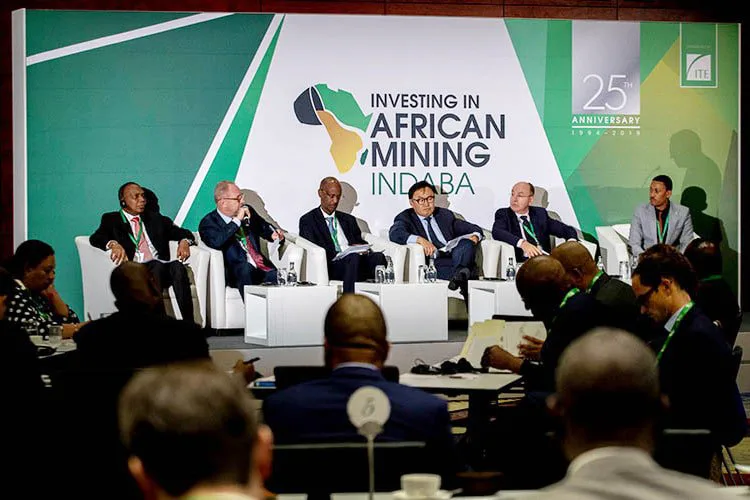
The Mining Indaba served as a high-level platform for Zimbabwe to showcase its ongoing policy reforms and its vision for a modernized, value-driven mining sector. By maintaining a predictable and investor-friendly environment, the government aims to ensure that its mineral resources provide lasting socio-economic benefits for its citizens.
As the global demand for critical minerals intensifies, Zimbabwe’s pivot toward value addition is not merely an economic necessity but a diplomatic imperative. By positioning itself as a center for processing and innovation, the country is seeking to redefine its role in the global economy—moving from a supplier of raw materials to a strategic partner in industrial development.