
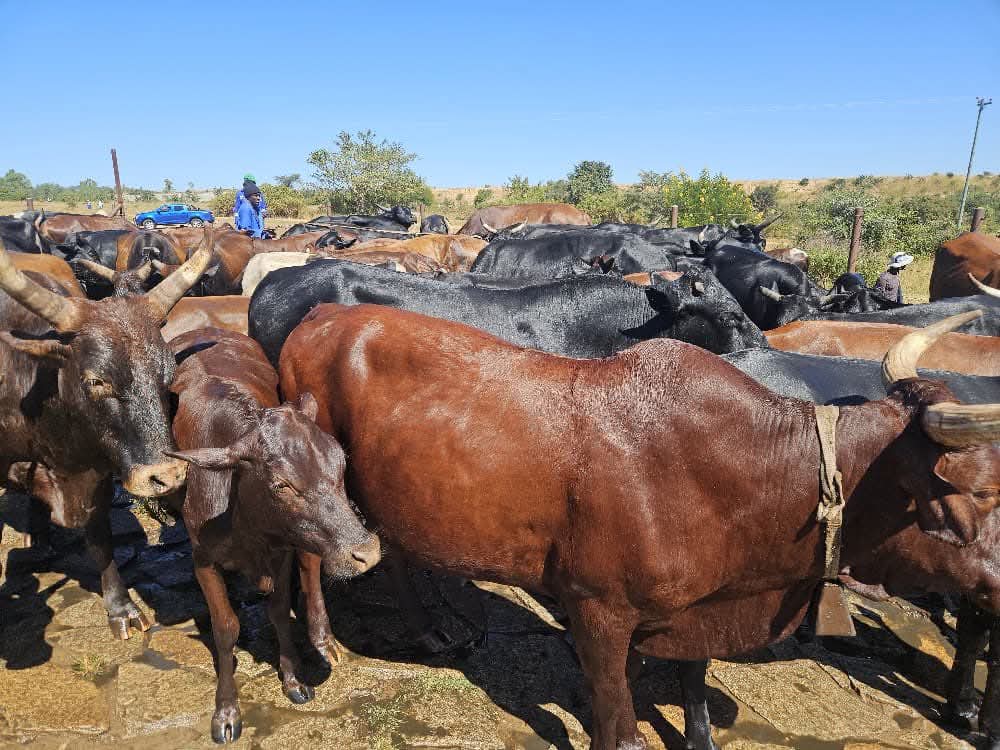
Zimbabwe has intensified surveillance and control efforts following a reported outbreak of foot-and-mouth disease (FMD) in Mangwe District, in a move aimed at safeguarding the country’s national cattle herd and protecting food security.
According to veterinary authorities, the outbreak has been linked to a stray buffalo believed to have come into contact with domestic cattle. Buffalo are known carriers of the highly contagious FMD virus, which spreads rapidly among cloven-hoofed animals such as cattle, goats and sheep.
In response, the government has stepped up disease monitoring and control measures, including restricting the movement of livestock in affected areas and increasing inspections at key points. Veterinary services are also conducting awareness campaigns to educate farmers on early detection and prevention methods.
The FMD outbreak in Zimbabwe comes at a time when several neighbouring countries are also battling the disease. South Africa, Botswana and Zambia have all reported cases, raising concerns about cross-border transmission and regional livestock health.
FMD poses a serious threat to the livestock sector as it leads to reduced productivity, loss of animal condition, trade restrictions and major economic losses for farmers. Although the disease does not usually kill adult animals, it severely affects milk production, meat quality and breeding performance.
Meanwhile, Zimbabwe has recorded encouraging progress in its fight against January disease, also known as theileriosis, which has historically caused massive cattle losses across the country. Authorities report that a locally developed vaccine, combined with a strict national dipping regime, has significantly reduced cattle deaths in recent years.
January disease is transmitted by ticks and has been one of the most destructive livestock diseases in Zimbabwe, particularly for small-scale farmers who rely on cattle for draught power, income and household food security.
The government has once again urged farmers to adhere strictly to dipping schedules, maintain proper herd management practices, and report any suspected disease cases to veterinary officers without delay. Early reporting is critical in preventing the spread of infectious livestock diseases and ensuring timely intervention.
Experts say strong disease surveillance systems, farmer cooperation and regional collaboration are key to protecting Zimbabwe’s livestock industry. With cattle playing a central role in rural livelihoods and the national economy, disease outbreaks threaten not only farmers’ incomes but also broader food security and agricultural productivity.
As climate change, wildlife movement and cross-border trade continue to increase the risk of animal disease transmission, authorities stress the importance of continuous monitoring, vaccination programs and public awareness.
The current efforts, officials say, are part of a long-term strategy to build a resilient livestock sector capable of withstanding disease threats and supporting Zimbabwe’s goals for agricultural growth and food self-sufficiency.


