
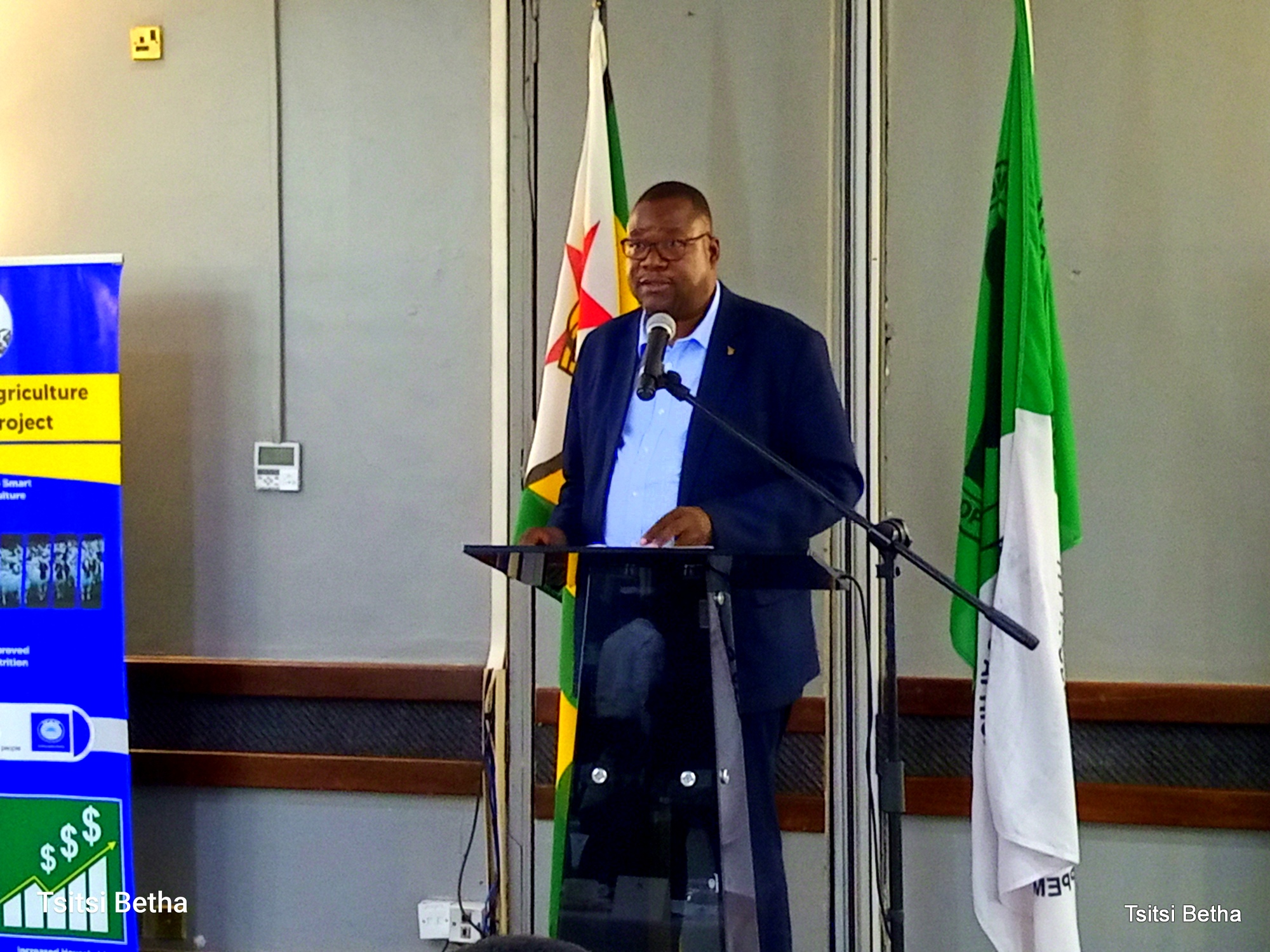
The Ministry of Lands, Agriculture, Fisheries, Water and Rural Development, in partnership with the African Development Bank (AfDB) and the International Fund for Agricultural Development (IFAD), today convened a National Consultative Workshop to shape the Resilient Agriculture Cluster Project, a climate-focused initiative anchored on irrigation development in vulnerable communities across Zimbabwe in Harare.
In his keynote speech, Mr. C.T. Bwenje, Chief Director for Business Development, Markets, and Trade, emphasized how urgent it is to transition from conventional production models to market-driven, climate-resilient agricultural systems that preserve livelihoods while enhancing national food security. In order to guarantee that the initiative results in actual benefits for agricultural households, he urged for common ownership and stated that the proposed project directly addresses climatic shocks that continue to undermine rural earnings.
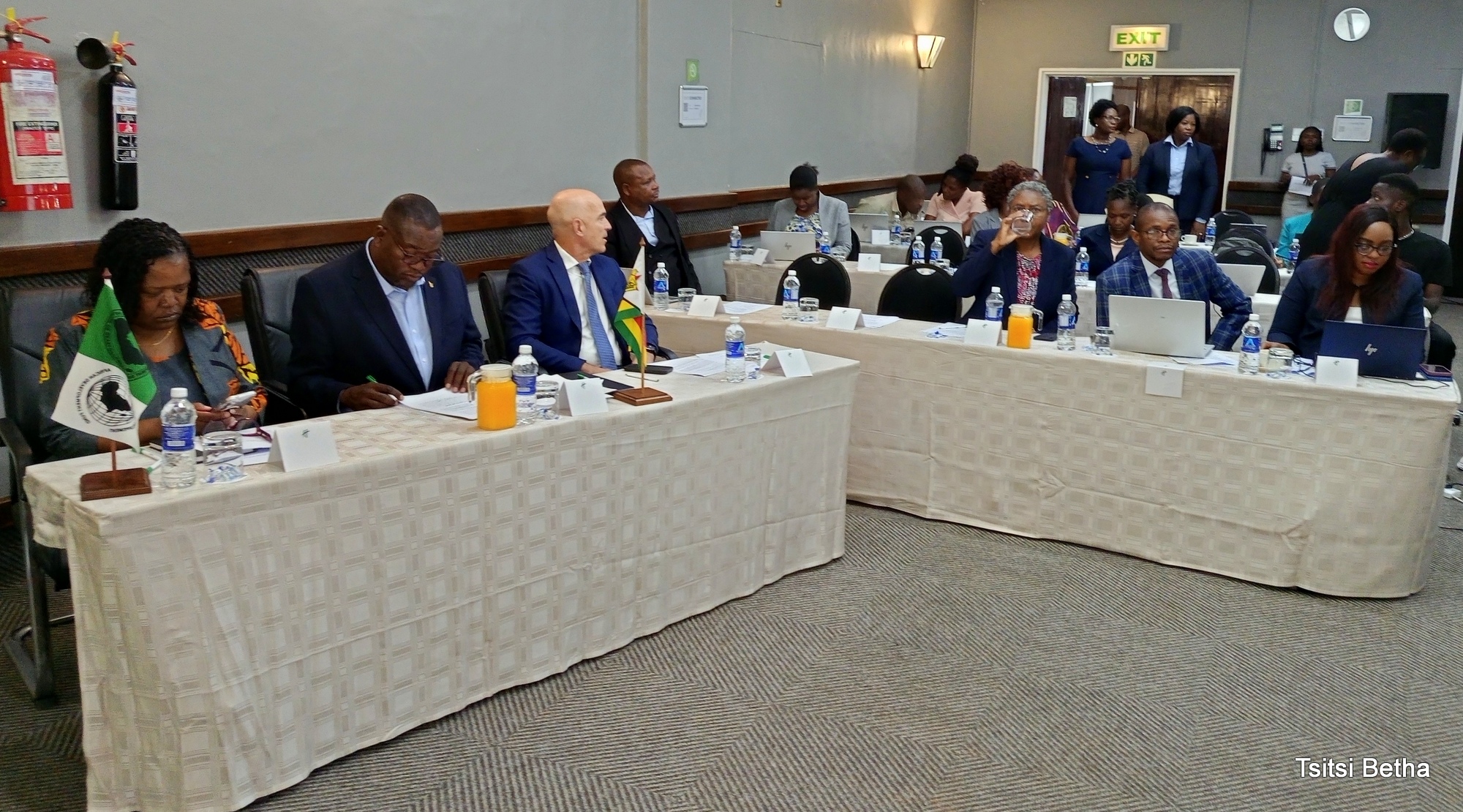
Mr Francesco M. Rispoli, Head of the IFAD Southern Africa Multi-Country Office and Country Director for Eswatini, Namibia, South Africa and Zimbabwe, highlighted the importance of strong partnerships and national leadership in ensuring successful implementation. He said 0communities need strengthened institutional ownership and consolidated partnerships so that every contribution made during the consultative process results in lasting impact. “By aligning our efforts with Government, AfDB and all partners in this room, we can transform climate challenges into opportunities for our rural communities,” he said.
Belinda Chesire, African Development Bank Country Programme Officer and Officer-in-Charge, described the gathering as a key validation stage to verify the project’s strength, soundness, and worth to the people it is intended to benefit. She added that Zimbabwe has received USD 9.4 million in funding, as well as USD 300,000 in technical assistance, from IFAD and AfDB to move the project forward to the appraisal stage. She stated that the Bank’s Climate Action Window, which is part of the African Development Fund, is mobilising resources to assist the most climate-vulnerable nations in adapting, and that the Resilient Agriculture Cluster Project aligns with these priorities.
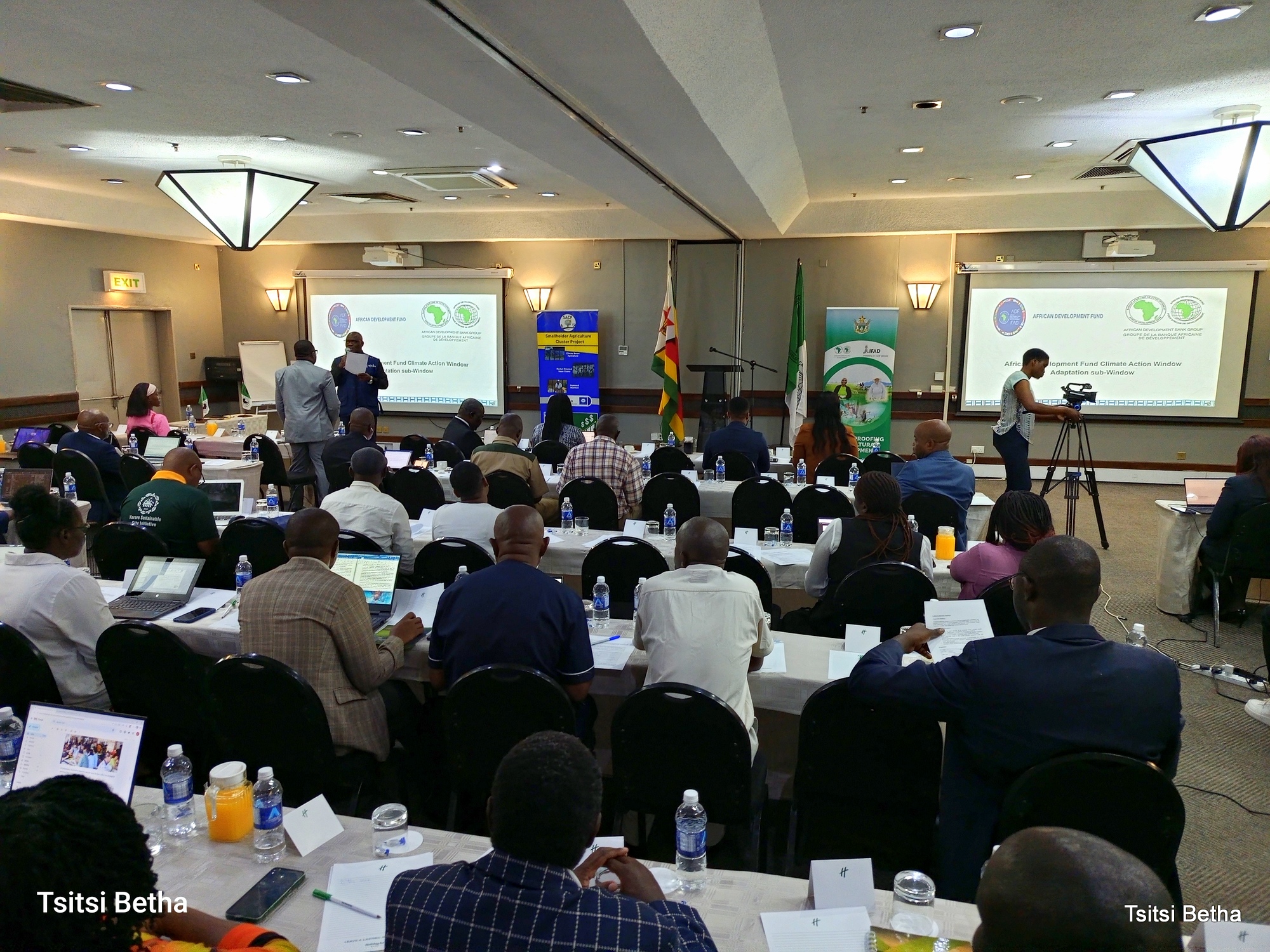
Chesire stated that the first phase of the effort had already obtained funding to promote resilience, improve nutrition, and build institutional capacity in climate-vulnerable rural communities. She urged stakeholders to submit technical advice to help finalize the Project Appraisal Report and ensure that the intervention represents real-world conditions.
The two international partners reaffirmed their commitment to cooperate with Zimbabwe’s government to develop climate-proof agricultural systems, increase value chain financing, and strengthen community resilience. The session brought together major palyers in agriculture and climate change, senior government officials, civil society, development partners, and business sector stakeholders, marking an important step toward a bankable, climate-smart investment that aims to protect livelihoods and change rural economies.


