
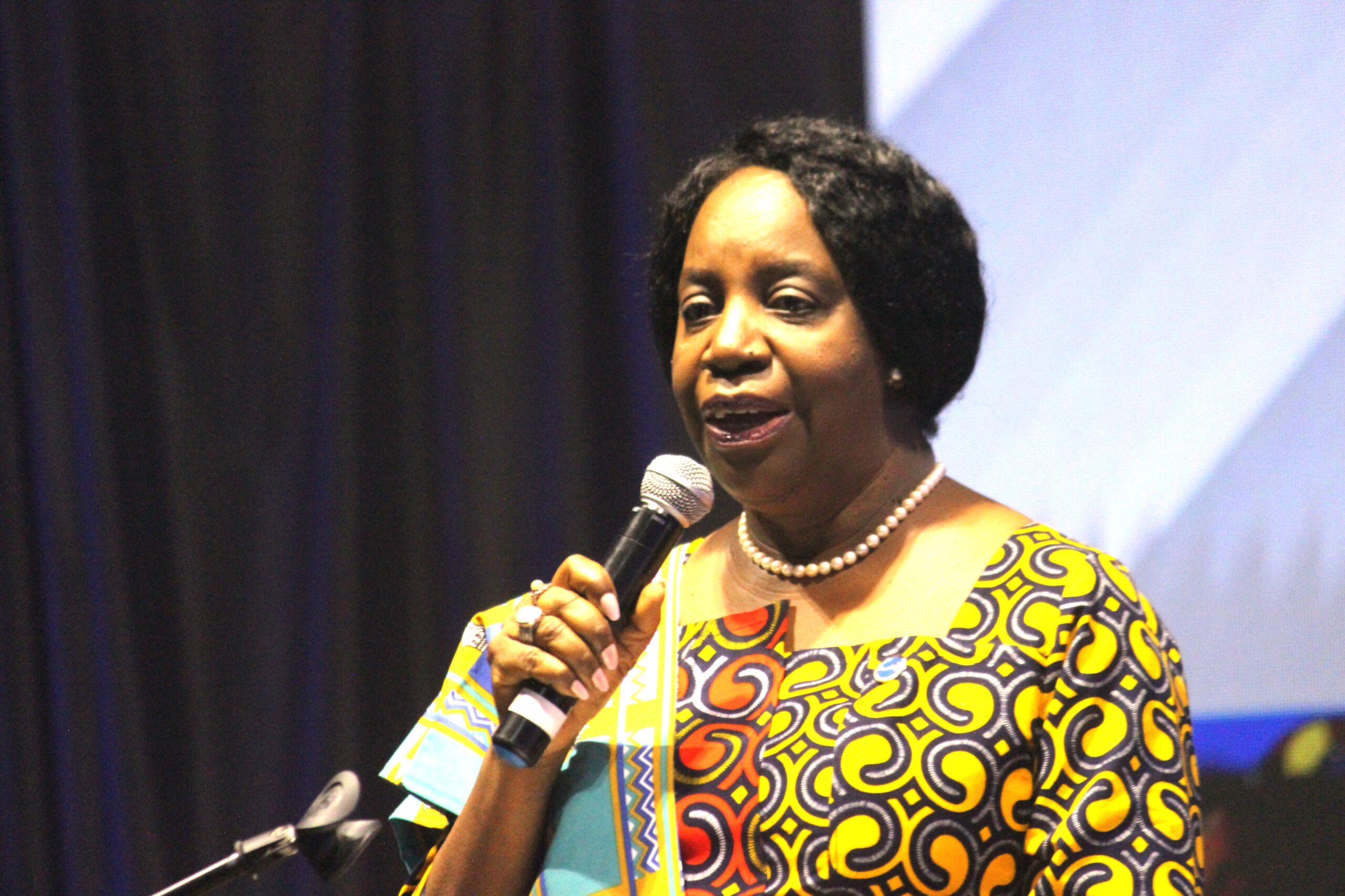
Zimbabwe and the Common Market for Eastern and Southern Africa (COMESA) have called for stronger regional tourism cooperation, improved cross-border connectivity and increased investment in cultural industries as African countries seek to turn their shared heritage into economic opportunities.
The call emerged during the COMESA Tourism and Cultural Night held on Monday at Heritage Village, Liberation City, where Tourism and Hospitality Industry Minister Barbara Rwodzi, COMESA Secretary-General Chileshe Mpundu Kapwepwe and Foreign Affairs and International Trade Minister Professor Amon Murwira highlighted the connection between tourism, cultural diplomacy and regional economic integration.
The event formed part of activities surrounding the 25th COMESA Summit, running in Harare from October 19 to 22 under the theme “One Market, One Future: Advancing Inclusive Industrialisation, Investment and Regional Integration in COMESA”.
Minister Rwodzi said that tourism should become a stronger vehicle for connecting African countries, encouraging cross-border travel and strengthening relationships among communities.
“Tourism is our most natural export,” she said, “I urge COMESA member states to use their regional engagements to develop stronger links between African destinations and markets.”
“Zimbabwe is recording growth in tourism arrivals and domestic travel, therefore I encourage all regional investors to explore opportunities in this country’s tourism sector.”
According to figures presented in her address, Zimbabwe received approximately 1.8 million tourist arrivals in 2025, compared with 1.6 million in 2024. She also cited an increase in domestic tourism trips to about 6.4 million in the second quarter of 2026.
Rwodzi pointed to the Kavango-Zambezi Transfrontier Conservation Area, which brings together Zimbabwe, Zambia, Botswana, Namibia and Angola, as an example of countries cooperating around shared wildlife and natural attractions.
She also mentioned that regional tourism could benefit from joint destination marketing, easier movement between countries and the recognition that major attractions such as Victoria Falls offer opportunities for both Zimbabwe and Zambia.
“Zimbabwe tourism is open for business, and I invite all of the delegates to consider investment opportunities and experience the country’s hospitality and cultural offerings.”
Im her address madam Kapwepwe said that tourism and cultural industries could support regional integration by linking destinations, enterprises and markets while creating employment opportunities for women and young people.
She urged business leaders and investors to build partnerships that connect tourism operators, cultural producers and creative enterprises across national borders.
“Together, we can turn our shared heritage into shared prosperity, our cultural diversity into competitive advantage, and our diverse cultures into business opportunities,” Kapwepwe said.
She also highlighted the potential of film, fashion, design, crafts, visual arts and digital content to expand the economic contribution of the creative sector.
Kapwepwe said African destinations should not be marketed in isolation but connected through complementary tourism experiences that encourage visitors to explore several countries during a single trip.
Dr Murwira, who attended as the Guest of Honour, linked regional economic cooperation to the need for African countries to strengthen their productive capacity and retain more value from their natural resources.
He said cultural connections were important to building the trust required for stronger trade and investment relationships.
“Trade policy follows the courage. Investment follows contract. And trust is nurtured, shared on tables, like what we are doing tonight,” Murwira said.
He stated that economic integration should make it easier for African citizens and businesses to interact across borders while enabling countries to develop industries based on their own resources and knowledge.
The minister identified cross-border infrastructure, digital trade facilitation, industrialisation and investment promotion as important areas for regional cooperation.
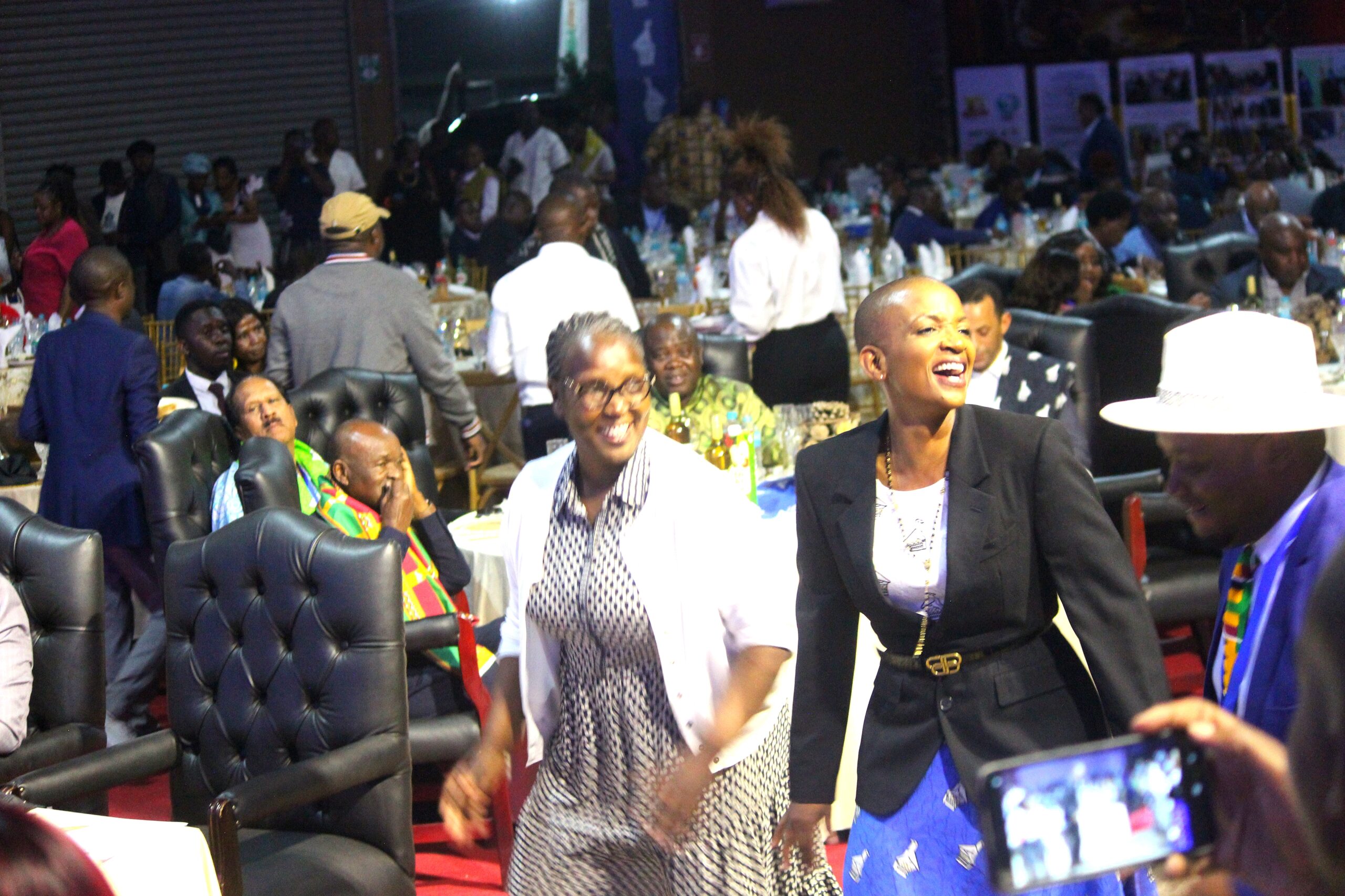
The speeches were complemented by a cultural programme designed to give visiting delegates a taste of Zimbabwean hospitality.
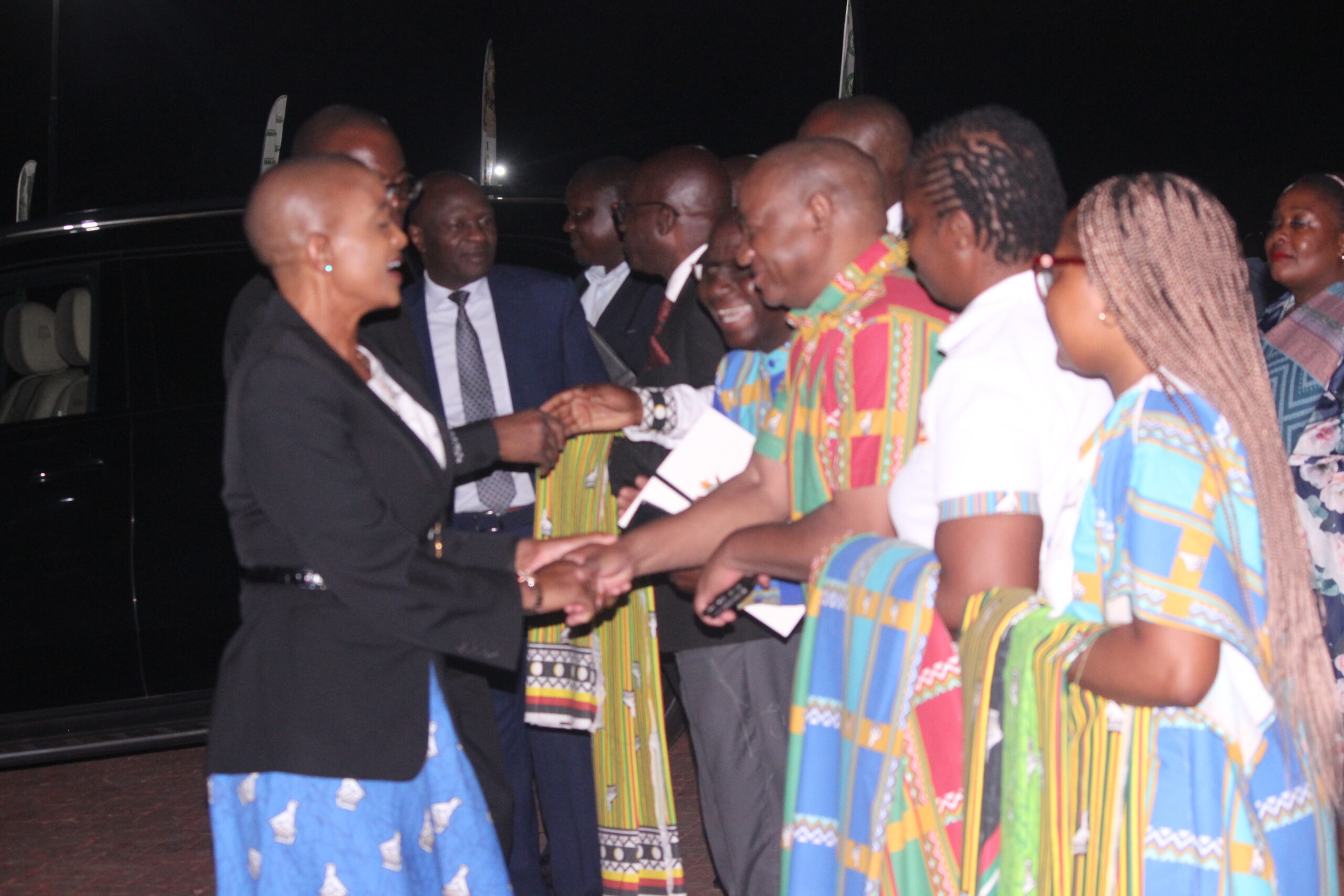
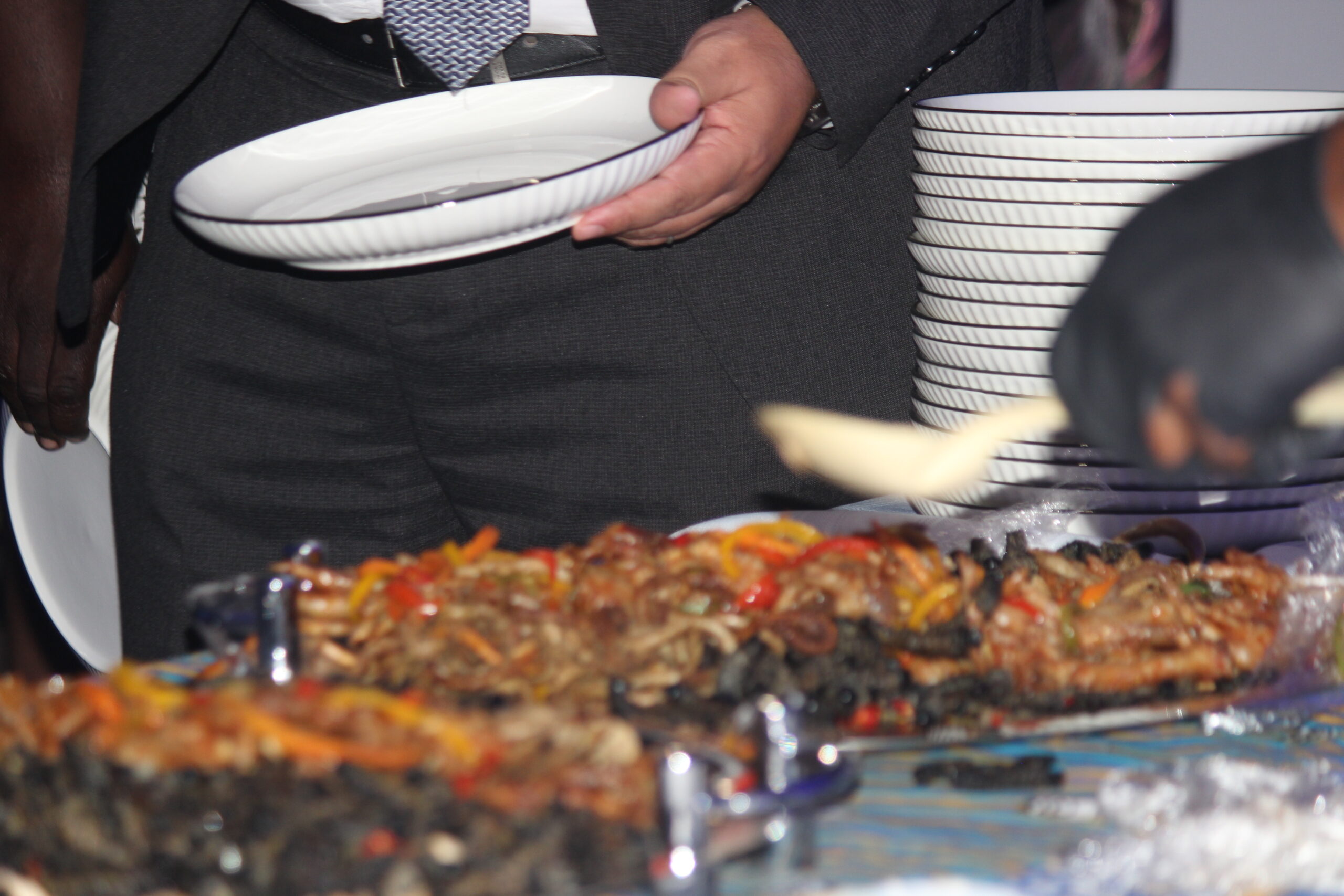
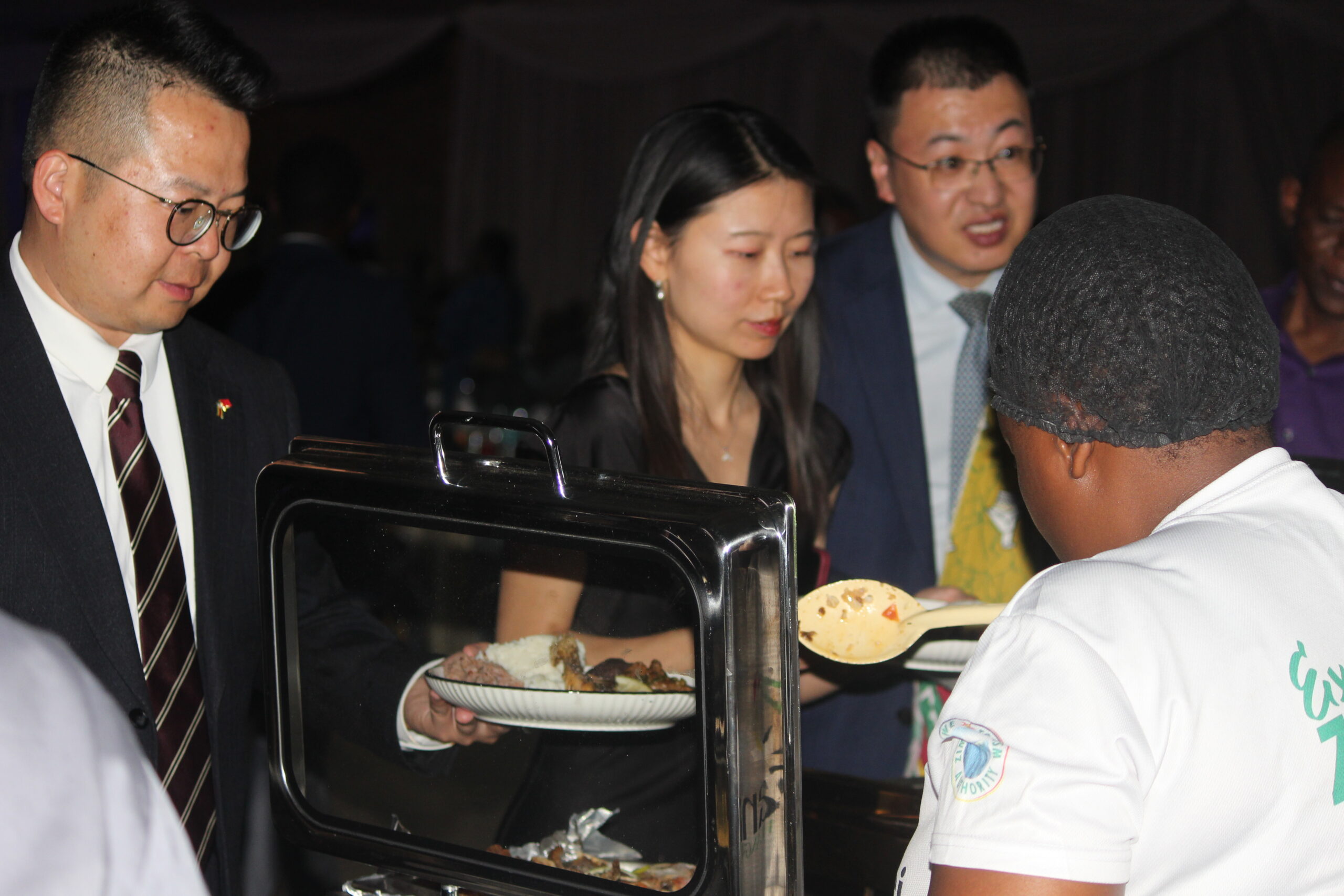
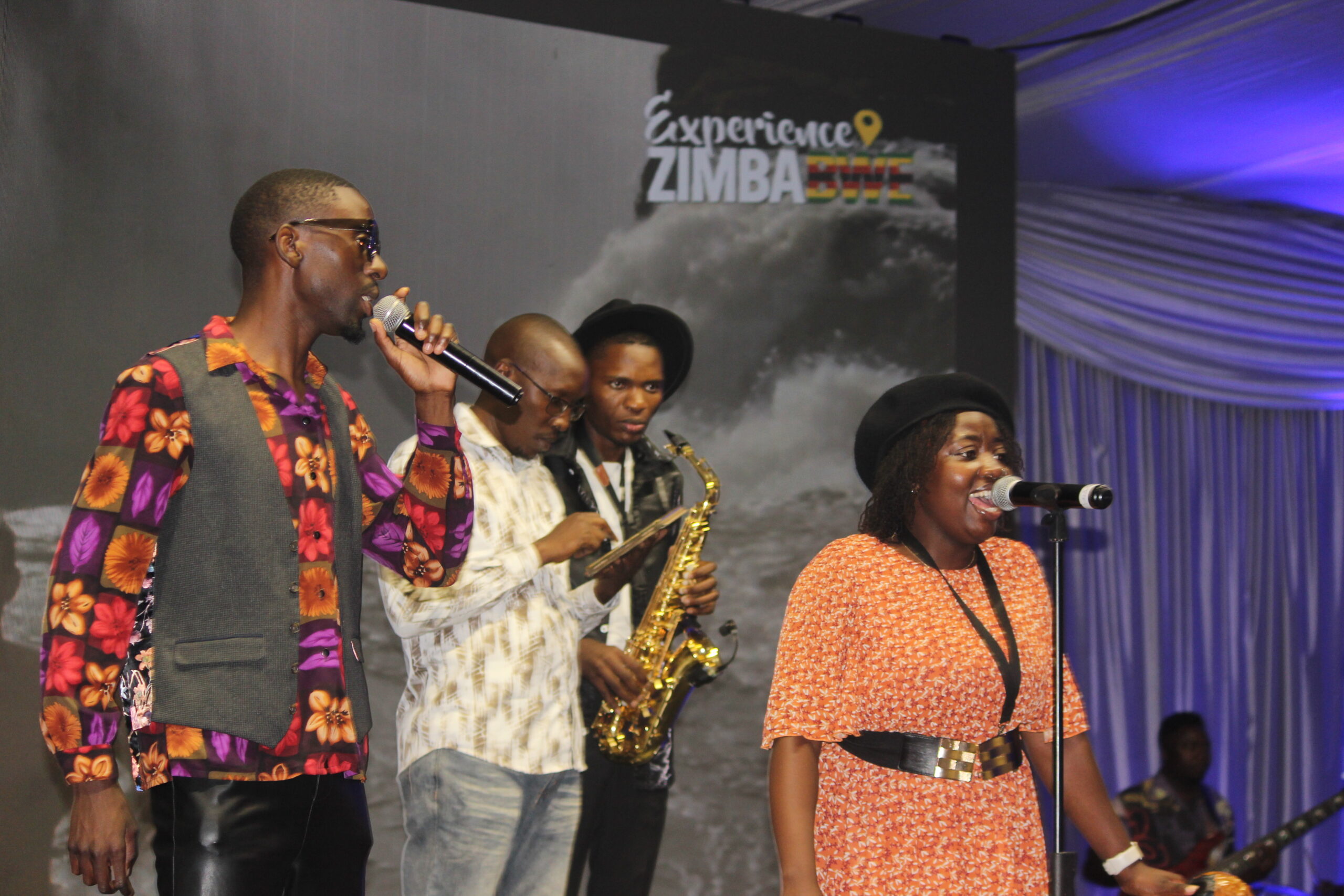
As the guests arrived, they were welcomed by a traditional dance performance from the Hwamanda Traditional Dance Group, decorated with the national fabric and a cup of the local traditional brew mahewu. The delegates among them several members of the diplomatic corps subsequently enjoyed a Zimbabwean cultural dinner featuring traditional gastronomy, followed by entertainment from In Total Band.
The programme concluded with a vote of thanks by Institute of African Knowledge chief executive Ambassador Kwame Muzawazi, whose organisation developed Heritage Village as a cultural and hospitality destination within Liberation City.
The gathering demonstrated how cultural diplomacy can complement formal trade discussions by bringing policymakers, business leaders and regional representatives together in an environment that celebrates shared African identity.
For COMESA member states, the challenge is to convert these commitments into practical initiatives that improve travel connectivity, encourage investment and allow tourism and creative businesses to reach markets across the region.


