
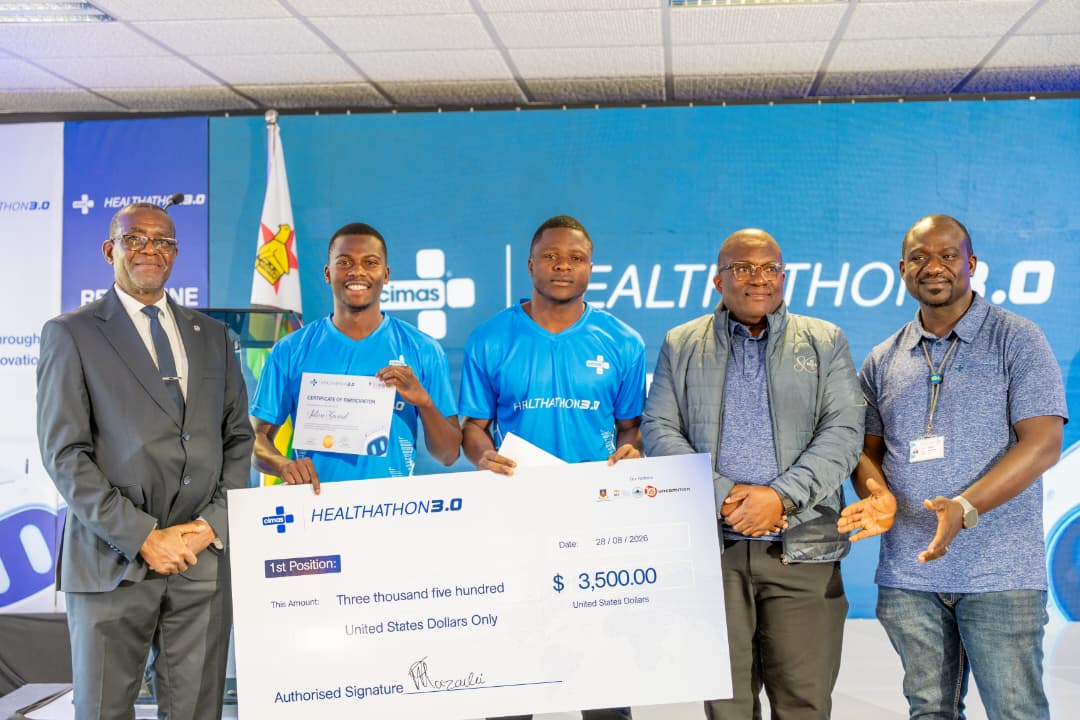
Zimbabwean innovators have developed an artificial intelligence-powered health screening and referral system targeting artisanal miners, a solution that impressed government officials at the Cimas Healthathon 3.0 and went on to win the competition’s top prize.
The innovation, Silica Guard, was developed by Panashe Chandiwana and Takudzwa Mukaro and focuses on bringing health screening closer to artisanal miners, who often operate in mobile and difficult-to-reach communities.
The solution uses a mobile platform that enables trained village health workers to screen miners and classify their health risks.
An AI assistant then generates guidance based on the screening results, helping village health workers provide appropriate advice and identify miners who require further medical attention.
Where a miner is suspected of having a severe condition, the platform can facilitate referral to a health facility and track whether the patient reaches the hospital.
The system can also record the time taken between referral and arrival at the health facility, providing information that could help authorities identify weaknesses in referral pathways.
Presenting the innovation at the Healthathon finale, the Silica Guard team said the platform was designed not to replace doctors but to identify patients who require medical attention and ensure they reach healthcare professionals at the right time.
“Silica Guard is not trying to treat. We are trying to find out who needs the doctor and make sure that person gets to the doctor in the right time,” the team said during the presentation.
The system would also generate a database of artisanal miners, a population the innovators said was difficult to track because of its mobility.
They argued that every screening encounter could contribute to building a national database that would give health authorities better information about the country’s artisanal mining population.
The data could eventually be used to develop a locally trained artificial intelligence system.
The innovators said that while the current minimum viable product uses existing AI technology, their long-term ambition was to develop an AI module trained on data generated from the Zimbabwean pilot.
The proposed intervention is set to begin with a six-month pilot in Kwekwe, where the team identified an existing need and an established hospital system already dealing with patients from the mining community.
The first phase would involve selecting miners, training village health workers, securing the necessary permissions and establishing referral pathways.
Implementation would then involve regular training of village health workers, community screening and mobilisation through artisanal miners’ associations, village heads and other community leaders.
The final stage will assess the pilot’s performance against predetermined indicators and determine whether the intervention should be expanded.
The innovation earned Silica Guard first place at the Healthathon 3.0, securing US$3,500.
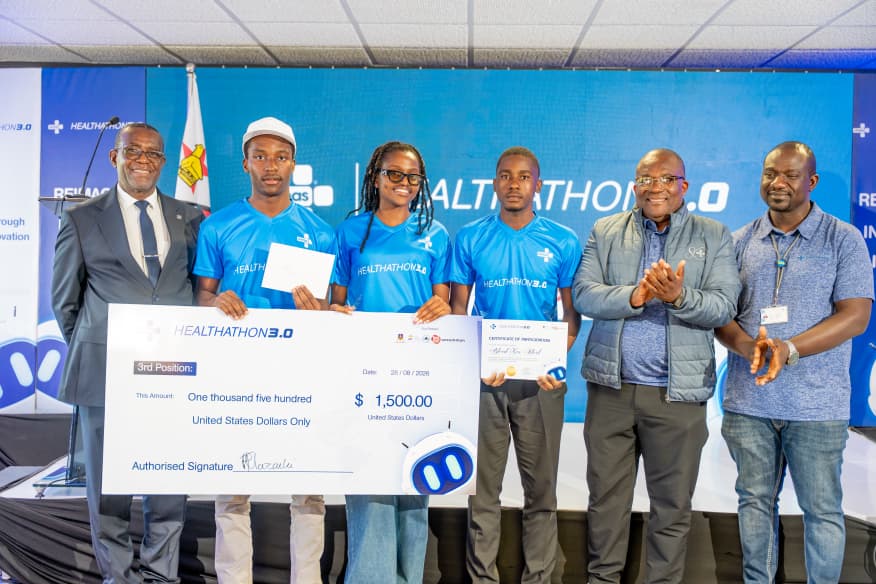
The Runtime Terrors finished second and received US$2,000, while Blood Geo Alert Team took third place.
Dr Celestino Dhege, representing the Minister of Health and Child Care, said he was impressed by the winning team’s approach to developing a healthcare solution specifically for artisanal miners.
He invited Chandiwana and Mukaro to make a presentation of Silica Guard at the Ministry of Health and Child Care offices, opening the possibility of further engagement between the innovators and the government.
The winning solution came against a backdrop of calls for healthcare innovation to address real problems facing Zimbabwean communities.
Dr Dhege told the Healthathon finale that innovation should not be limited to technology, but should seek new and better ways of delivering healthcare, improving access and reducing costs.
Cimas Health Group chief executive officer Mr Vuli Ndlovu similarly challenged innovators to move beyond ideas and focus on implementation.
He said innovation only became meaningful when an idea became a solution, a solution became a product and the product ultimately reached a patient and improved health outcomes.
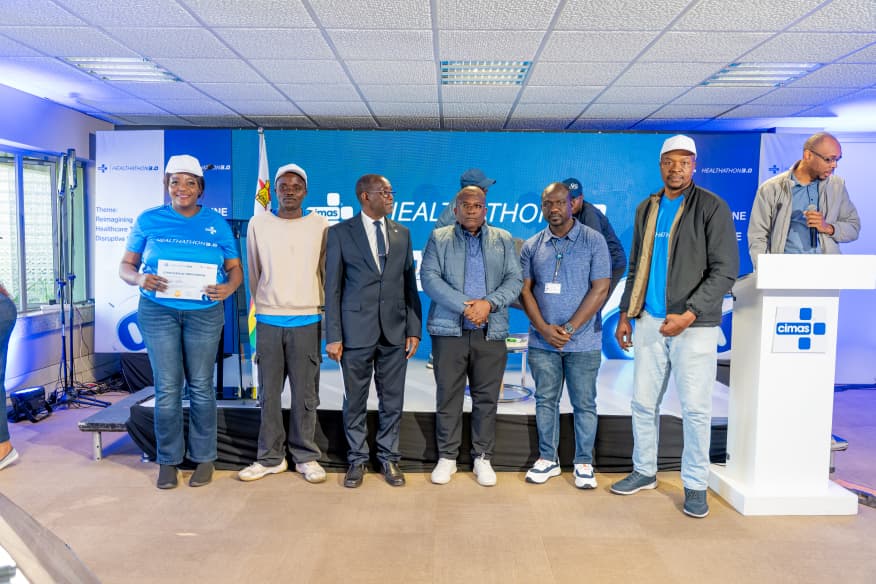
The Healthathon attracted 372 submissions from across Zimbabwe, which were subjected to screening, mentorship and refinement before 10 finalists were selected.
The judges assessed the projects on their ability to address genuine healthcare problems, improve access, reduce healthcare costs and demonstrate originality.
The Silica Guard project stood out for targeting a specific healthcare challenge among artisanal miners while combining community-based screening, artificial intelligence, referral tracking and data collection.
The team said the solution will ultimately require cooperation from the Ministry of Health and Child Care, hospitals, Cimas, artisanal miners and community leaders.
Its progression from Healthathon entry to an invitation to engage directly with the Ministry of Health demonstrated the broader objective outlined by Ndlovu, creating pathways through which promising ideas can move from competition stages to practical implementation.


