
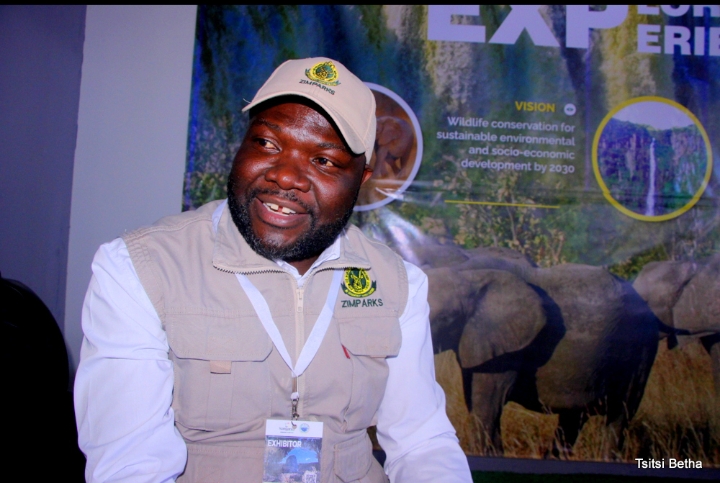
The Zimbabwe Parks and Wildlife Management Authority (ZimParks) is seeking strategic partnerships and investment in protected areas as it moves to strengthen the country’s wildlife economy and unlock greater economic value from conservation.
Speaking at the Sanganai/Hlanganani Dzimbahwe Tourism Expo in Masvingo, ZimParks spokesperson Luckmore Safuli said conservation was central to Zimbabwe’s tourism sector, which relies heavily on the country’s wildlife and natural landscapes.
“Conservation requires collective efforts, and we are also looking to having strategic partners. We are excited to showcase our tourism products and investment opportunities, as well as pursue strategic partnerships. Tourism and conservation go hand in hand. Tourism cannot thrive without conservation, because the majority of tourists visiting Zimbabwe come specifically to see the abundant wildlife and natural capital that we have,” Safuli said.
He said ZimParks was using the tourism expo to engage investors and potential partners interested in participating in the wildlife and tourism economy.
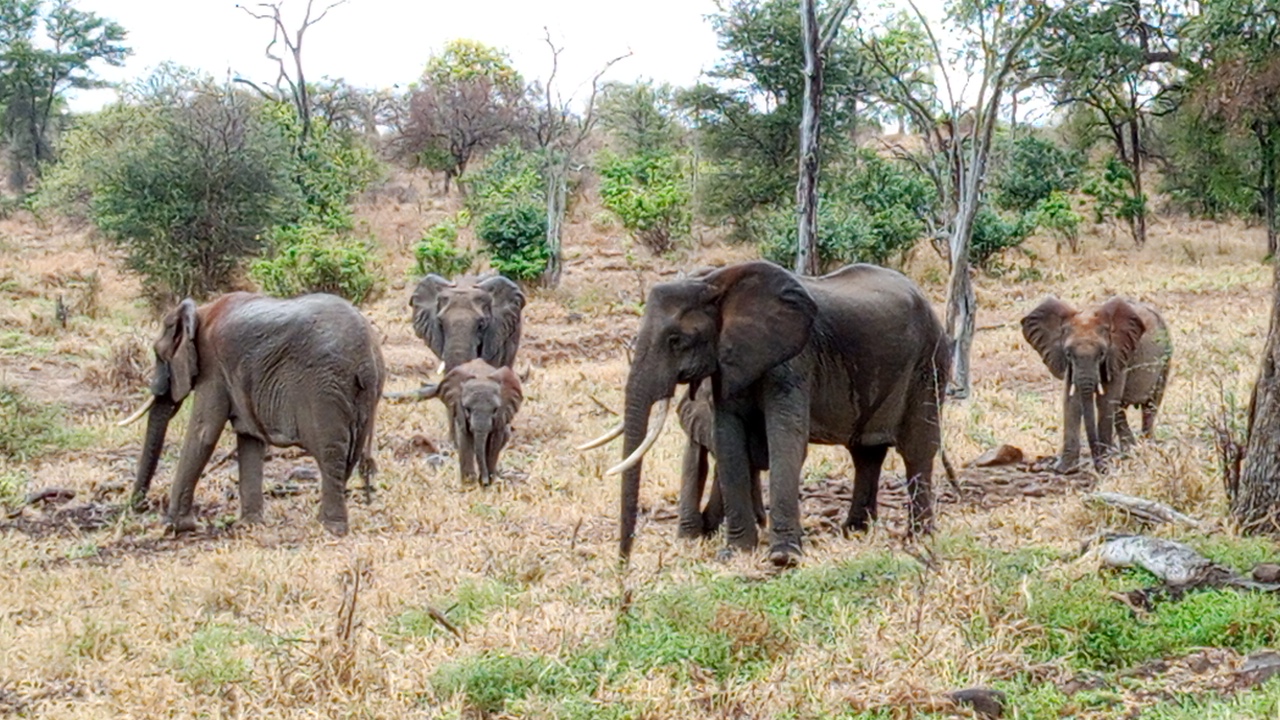
Safuli said protected areas such as Hwange National Park should be viewed beyond their traditional role as wildlife destinations, arguing that they offered significant opportunities for investment.
“Hwange National Park is not just a place where you can find wildlife, but an investment destination where investors can also invest in the wildlife economy,” he said.
He added that protected areas could become important economic engines supporting sustainable development if investment was increased across the tourism value chain, noting that partnerships were necessary to complement government efforts in conservation and improve the capacity of protected areas to support tourism.
ZimParks is also encouraging private-sector players to explore opportunities in accommodation, tourism facilities and other services that can enhance experiences for visitors while generating economic returns.
Safuli said the authority’s participation at Sanganai was therefore not only about showcasing wildlife but also about demonstrating the investment potential embedded within Zimbabwe’s conservation areas.
The approach comes as Zimbabwe seeks to increase tourism’s contribution to the economy while ensuring that the country’s natural resources remain protected.
ZimParks maintains that stronger collaboration between government, investors, tourism operators and communities will be essential to developing a sustainable wildlife economy that benefits both conservation and national development.


