
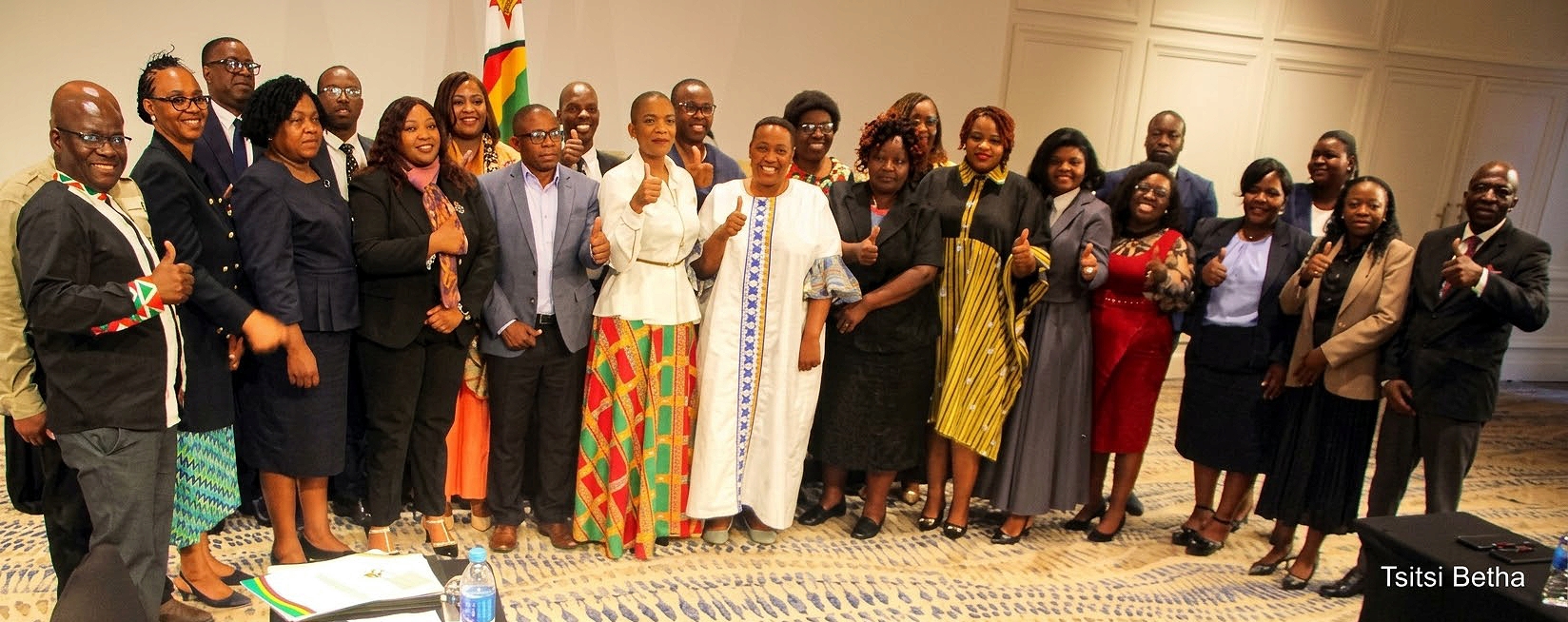
Zimbabwe has established a 26-member National Committee to coordinate preparations and implementation of the International Year of Sustainable and Resilient Tourism (IYSRT) 2027, with Government placing community empowerment, environmental sustainability and inclusive economic development at the centre of the country’s tourism agenda.
The committee was officially launched by the Ministry of Tourism and Hospitality Industry at Hyatt Regency Meikles Hotel in Harare on Monday, with Tourism Minister Barbara Rwodzi calling for a coordinated approach involving Government, the private sector, local communities, development partners, academia and the media.
Addressing stakeholders at the launch, Rwodzi said the initiative presented Zimbabwe with an opportunity to align its tourism development priorities with global efforts to build an industry capable of withstanding economic, environmental and other disruptions.
She emphasised that sustainable tourism must go beyond increasing international arrivals to delivering measurable economic benefits, particularly for communities that safeguard the country’s natural and cultural attractions.
The Minister said the success of tourism should also be assessed through visitor expenditure, the sector’s contribution to Gross Domestic Product (GDP) and the extent to which tourism activities transform people’s livelihoods.
She noted that communities remained the custodians of Zimbabwe’s tourism resources, including heritage sites, museums, wildlife and natural landscapes, making their participation and economic empowerment essential to the industry’s long-term sustainability.
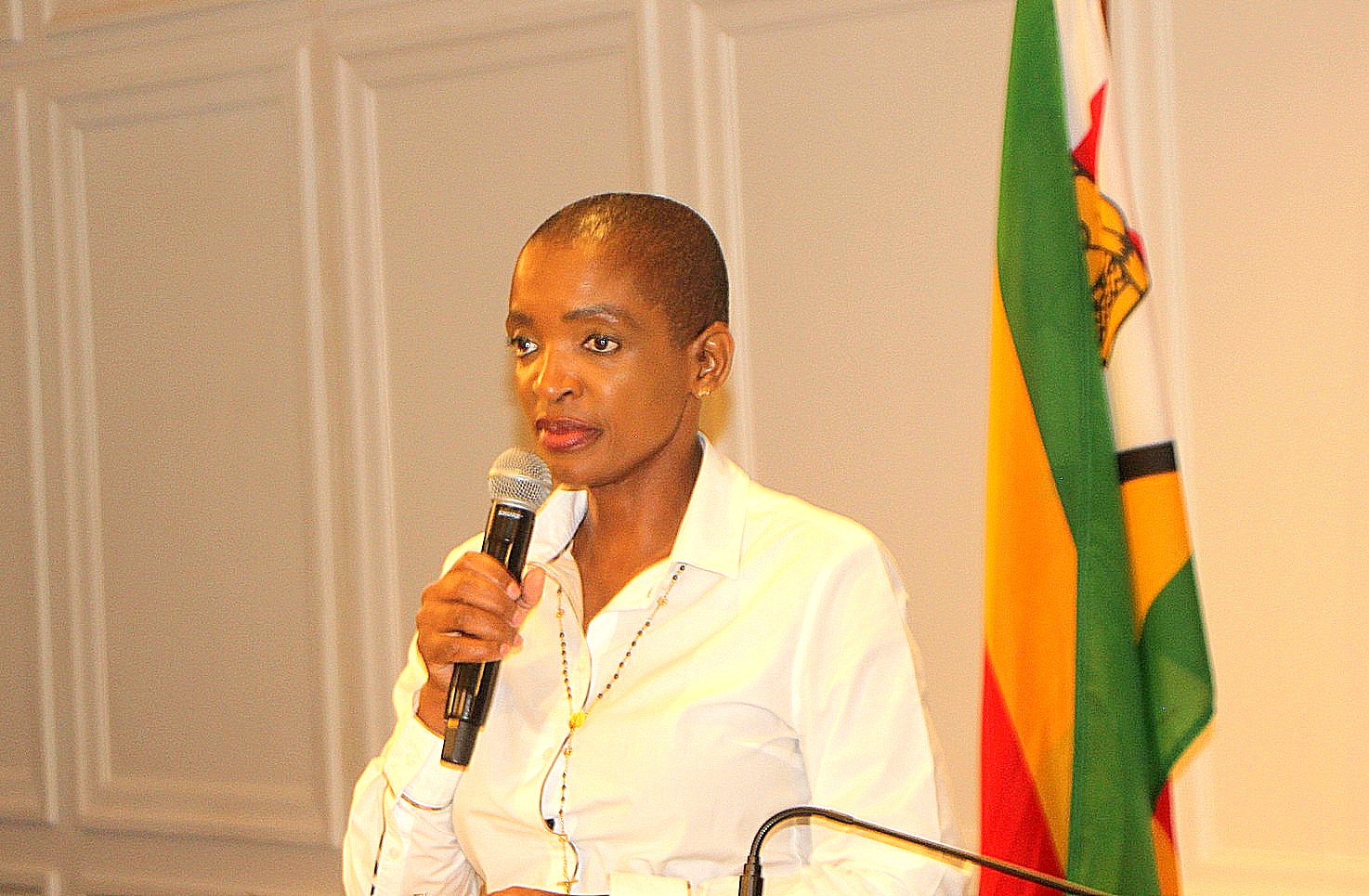
Minister Rwodzi said tourism operators should strengthen their relationships with surrounding communities by supporting local enterprises and creating opportunities for residents to participate in the supply chains serving hotels, restaurants and other tourism establishments.
She also called for greater investment in local production, particularly agriculture, explaining that communities could benefit from supplying food and other essential products to the hospitality industry.
The Minister also mentioned that tourism investment should not be restricted to major infrastructure developments such as hotels and restaurants, but should also recognise smaller enterprises, informal businesses, agricultural production, refurbishment projects and community-based initiatives.
She observed that although individual investments might appear relatively small, their collective contribution could significantly strengthen the tourism economy.
On environmental sustainability, Rwodzi highlighted the need for tourism establishments to adopt environmentally friendly infrastructure and practices, particularly renewable energy solutions.
She challenged accommodation operators to consider installing green water-heating systems, including solar and biomass technologies, while acknowledging that the transition would require investment and a phased implementation approach.
The Minister also encouraged the tourism industry to embrace innovative waste-management systems, including converting organic waste into compost for agricultural production and exploring opportunities to generate electricity from waste.
She said these interventions should form part of a broader commitment to addressing climate change, protecting natural resources and strengthening the resilience of tourism destinations.
Rwodzi further highlighted the importance of women and young people in the tourism value chain, calling for increased economic participation through food production, hospitality services, commercial enterprises and other tourism-related businesses.
She said the First Lady’s initiatives promoting agricultural tourism and fruit-tree planting in communities demonstrated how agriculture could complement tourism while creating employment and strengthening household livelihoods.
The Minister also linked the sustainability agenda to the Government’s development vision of leaving no one and no place behind, stressing that tourism projects should produce tangible benefits for communities countrywide.
During a question-and-answer session, Minister Rwodzi confirmed that the National Committee comprised 26 members appointed by the Minister, in line with guidance from UN Tourism on the institutional representation required for the initiative.
The committee brings together Government ministries, departments and agencies, private-sector organisations, tourism industry associations, development partners and academic and research institutions.
“Media representatives will also play a role in raising public awareness, communicating programme objectives and showcasing successful tourism initiatives,” she said.
Responding to concerns about community ownership, quality assurance and consistency in local supply chains, the Minister said Government intended to guide and equip local producers, women, young people and small and medium-sized enterprises to meet the requirements of the tourism industry.
She encouraged operators to work more closely with surrounding communities, identify opportunities for local procurement and provide guidance and training to emerging suppliers.
The Minister said the approach was intended to strengthen the relationship between tourism businesses and communities while ensuring that local enterprises could participate meaningfully in the sector’s economic activities.
She further urged the media to become active partners in communicating the objectives of the International Year, promoting domestic tourism and highlighting good practices across the industry.
The launch also recognised the contribution of development partners, including the United Nations Development Programme (UNDP) and the International Organization for Migration (IOM), in supporting collaborative approaches to tourism development.
Also outlined, was a three-stage implementation framework, beginning with preparations in 2026, followed by practical interventions during 2027 and a post-2027 legacy phase.
The preparation stage will focus on establishing governance structures, mobilising stakeholders, developing national activity frameworks and strengthening partnerships.
During 2027, the committee is expected to coordinate awareness campaigns, practical sustainability interventions, the showcasing of good practices and increased cooperation among tourism stakeholders.
The legacy phase will focus on consolidating partnerships, strengthening evidence-based approaches and ensuring that the benefits of the International Year extend beyond the commemorative period.
The launch therefore marks the beginning of a coordinated national effort to position sustainability, resilience and inclusive economic participation at the heart of Zimbabwe’s tourism development, with the committee expected to translate the commitments into practical programmes and measurable outcomes.


