
The Hospitality Association of Zimbabwe has urged closer cooperation between government, banks and private enterprise to release the funding needed to grow the nation’s tourism facilities before the country hosts the Intra-African Trade Fair in 2029. Speaking at the association’s Investors Conference in Harare, president Emma Kativu explained that the gathering, themed Connecting Capital to Capacity: Unlocking Zimbabwe’s Tourism Potential by 2029, was meant to bring investors, policymakers and industry figures around a common goal of turning Zimbabwe into a rival tourism destination on the continent.
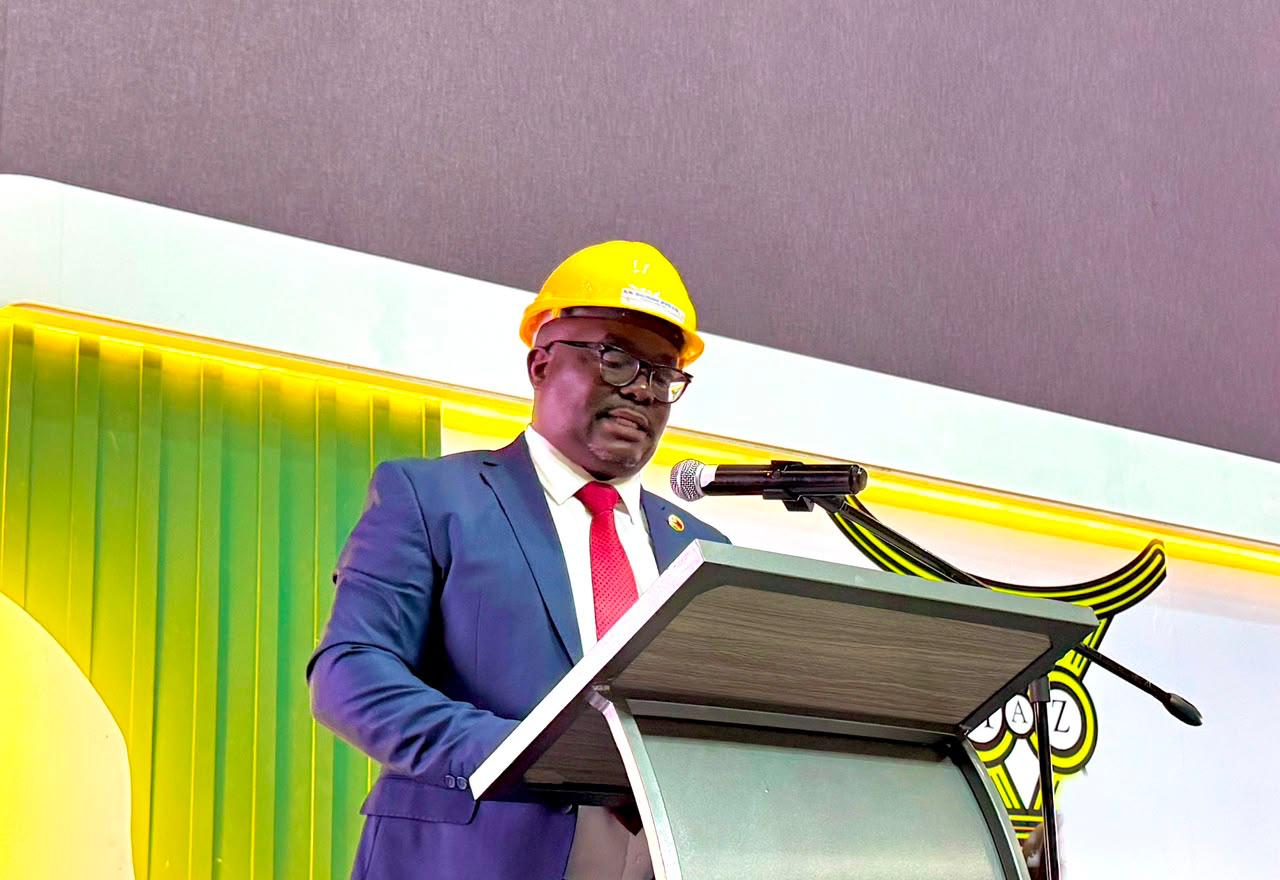
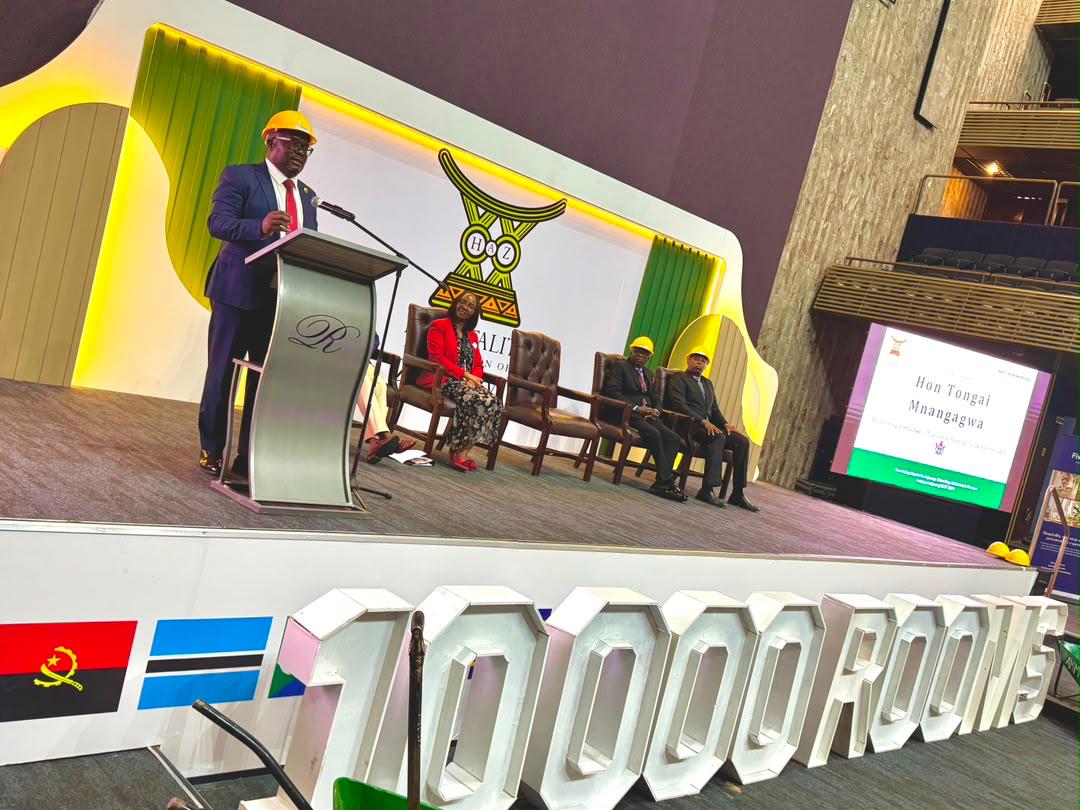
Deputy Minister of Tourism and Hospitality Industry Tongai Mnangagwa said that the administration is building conditions favourable to investment by simplifying business processes and coordinating with the Ministry of Local Government and Public Works to earmark land suited to tourism development. He noted that sites have already been set aside where investors might construct hotels, restaurants and related facilities, and appealed to property developers and financiers to step forward so that the infrastructure the nation needs can be delivered together.
Zimbabwe Tourism Authority chief executive Dr George Manyaya stressed how essential ties between tourism and financial services have become, calling the two sectors interdependent engines of economic growth. He described tourism as a money-moving industry rather than simply one that moves people, noting that every visitor generates a transaction, every destination represents a chance for investment and every enterprise in the sector counts as a potential banking client with room to expand.

Manyaya added that the Intra-African Trade Fair ranks among the continent’s foremost platforms for trade and investment, with earlier editions producing billions of dollars in deals, and said Zimbabwe intends to make the most of hosting the event in 2029. He mentioned that the country aims to reach 20,000 graded accommodation rooms by then, up from roughly 11,000 currently available, opening space for investors to build new hotels, lodges, guest houses and other lodging options.
Kativu described tourism as one of Zimbabwe’s central economic pillars, contributing meaningfully to foreign currency earnings, job creation, infrastructure growth and the branding of the destination abroad. She called the occasion a defining moment for the sector, noting that participants had assembled not simply to talk but to achieve alignment between funding and capability, policy and practice, and ambition and delivery.
She linked the conference to the National Development Strategy 2, which names tourism a strategic sector for economic transformation through greater investment, sharper competitiveness and expanded exports. According to Kativu, the hospitality industry needs considerable capital to modernize its facilities, reinforce governance, boost connectivity and cultivate a skilled workforce able to meet international benchmarks before 2029.
She challenged banks and other lenders to design financing structures suited to the long investment cycles typical of hospitality projects, while urging tourism operators to prepare viable, bankable proposals capable of drawing both domestic and foreign capital. She added that the sector must shift from discussion to action, insisting that infrastructure, financing and skilled people all need to function together if Zimbabwe is to fulfil its tourism goals.
The conference drew together operators, commercial banks, development finance institutions, investors and other stakeholders to examine fresh financing approaches, deepen public-private partnerships and speed up tourism infrastructure development as Zimbabwe steps up preparations to host one of the continent’s largest trade and investment gatherings in 2029.


