
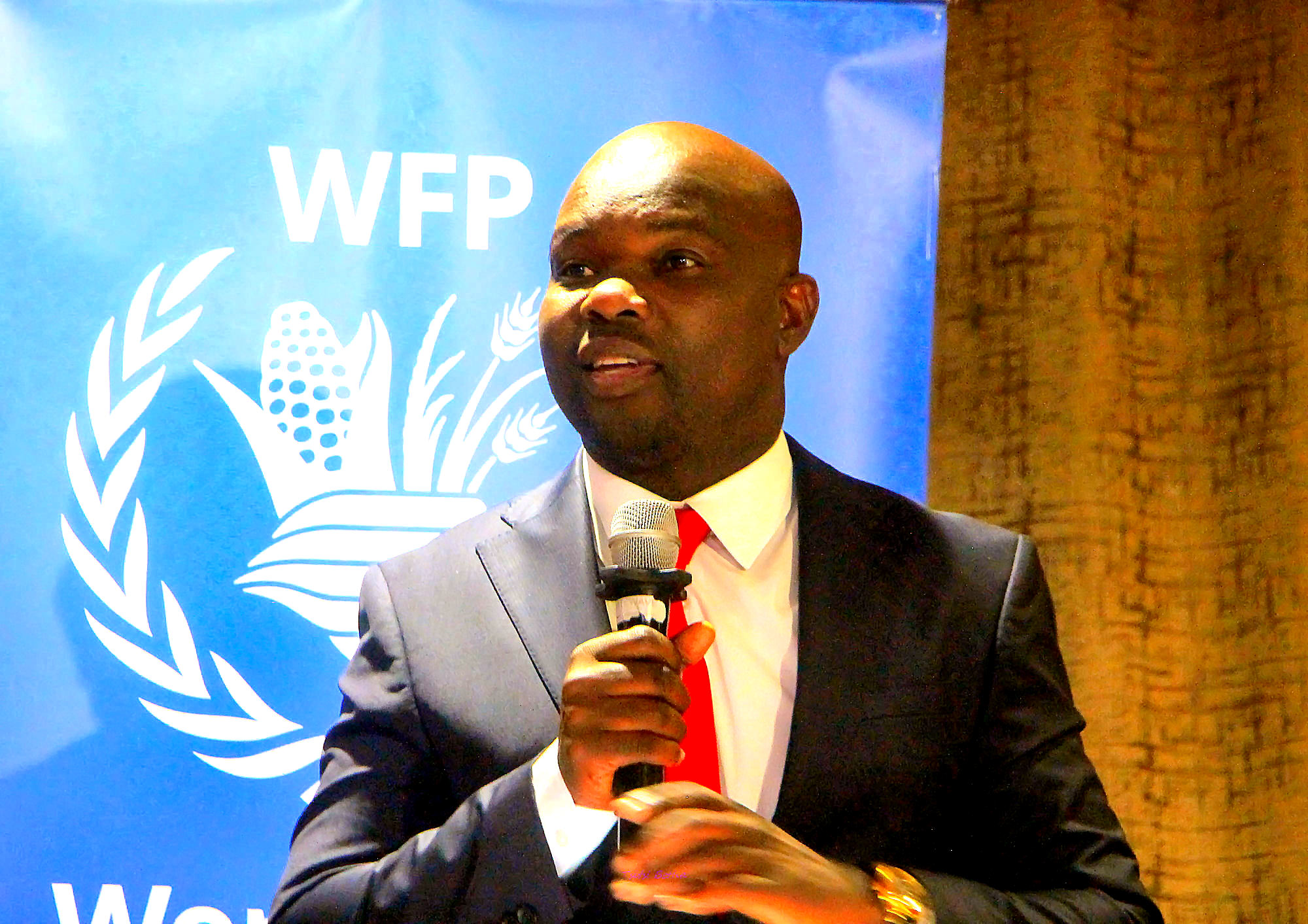
The United Nations system, and the World Food Programme came together at the Rainbow Towers today to launch the Youth Empowerment Leadership Programme (YELP), a new initiative aimed at turning the country’s youthful population into a driving force for national development.
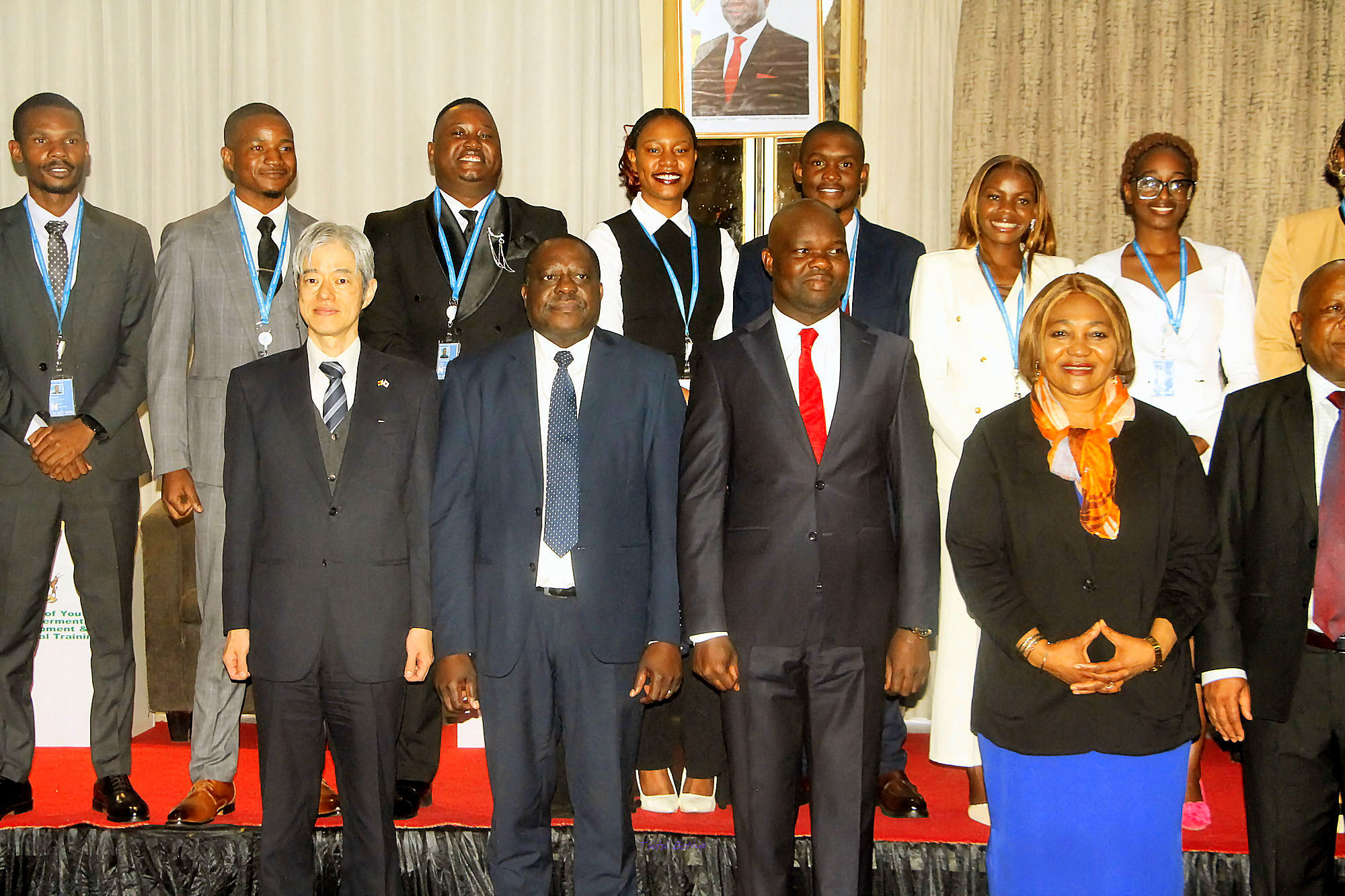
The event drew the Minister of Youth Empowerment, Development and Vocational Training, Hon. Tinoda Machakaire, the Deputy Minister Hon. Kudakwashe Mupamhanga, senior government officials, ambassadors, UN agency representatives, private sector leaders, and the programme’s first cohort of ten young fellows.
Speaking on behalf of the UN Resident Coordinator, UNFPA Representative Ms Miranda Tibafor opened proceedings by framing the launch within a global demographic reality: more than 1.2 billion young people aged 15 to 24 live worldwide, the vast majority in developing countries. She argued that achieving the Sustainable Development Goals is impossible without serious investment in this generation, pointing to international frameworks such as the Youth 2030 Strategy, the Pact for the Future, and regional instruments like the African Youth Charter as evidence of a shared global consensus that young people must be treated as partners and leaders rather than passive beneficiaries. She praised YELP as a model for the “One UN” approach, combining government, UN agencies, and private sector partners around a focused, mentorship-driven cohort that could be scaled in future.
WFP Zimbabwe Deputy Country Director Billy Mwiinga delivered welcome remarks on behalf of Country Director Barbara Clemens, describing the programme as her personal initiative and a reflection of her conviction that investing in youth is one of the most powerful levers for sustainable change. Mwiinga linked youth exclusion directly to food security risks, noting the scale of young people currently outside education, employment, or training, and positioned YELP as central to WFP’s mandate to transform food systems through young innovators in agriculture, logistics, and digital agribusiness. He confirmed the programme is anchored in a Memorandum of Understanding with the Ministry of Youth Empowerment and aligned with the National Youth Empowerment Strategy and the National Development Strategy 2 (NDS2)..
In his keynote, Minister Machakaire credited President Emmerson Mnangagwa’s development philosophy for placing youth at the centre of national transformation, framing the “leave no one and no place behind” principle as a guiding policy commitment rather than rhetoric. He described YELP as a practical expression of NDS2’s emphasis on inclusive growth, human capital development, and innovation-led industrialisation, and called on UN partners, the private sector, and communities to support young people not through token jobs but as genuine innovators and economic partners.
The ten inaugural fellows, drawn from backgrounds in entrepreneurship, agriculture, technology, and community development—were singled out as Zimbabwe’s “pioneers,” tasked with shaping what YELP becomes as it expands.


