
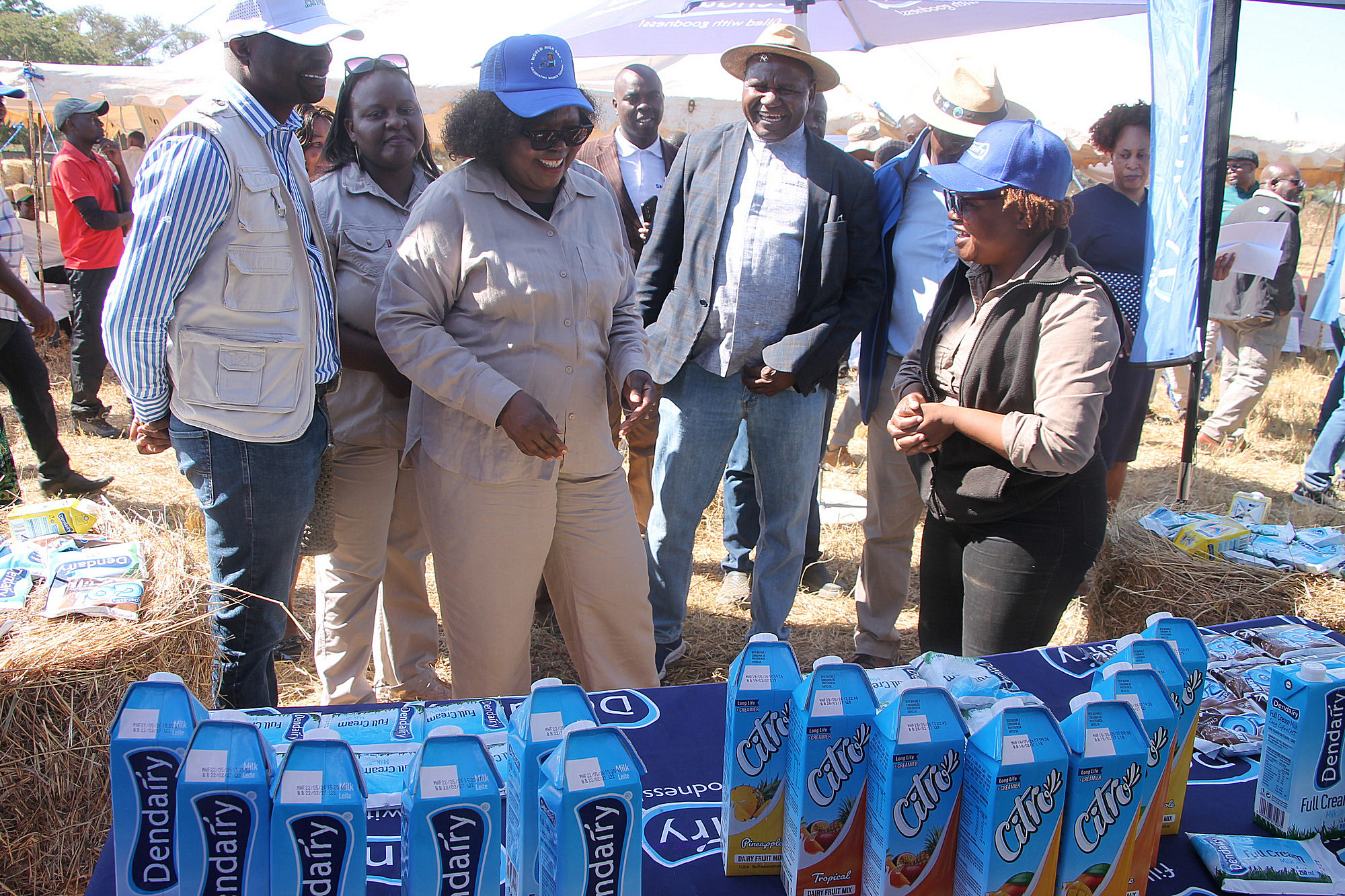
Zimbabwe’s women dairy farmers are increasingly being recognized as a driving force behind the country’s growing milk industry, with government officials and sector leaders praising their contribution to production volumes, household earnings and the broader rural economy. The recognition came during this year’s World Milk Day commemorations, hosted by Mrs Pauline Mandishona Hela at Hela Dairy Farm in Macheke under the fitting theme, “Celebrating Women Farmers.”
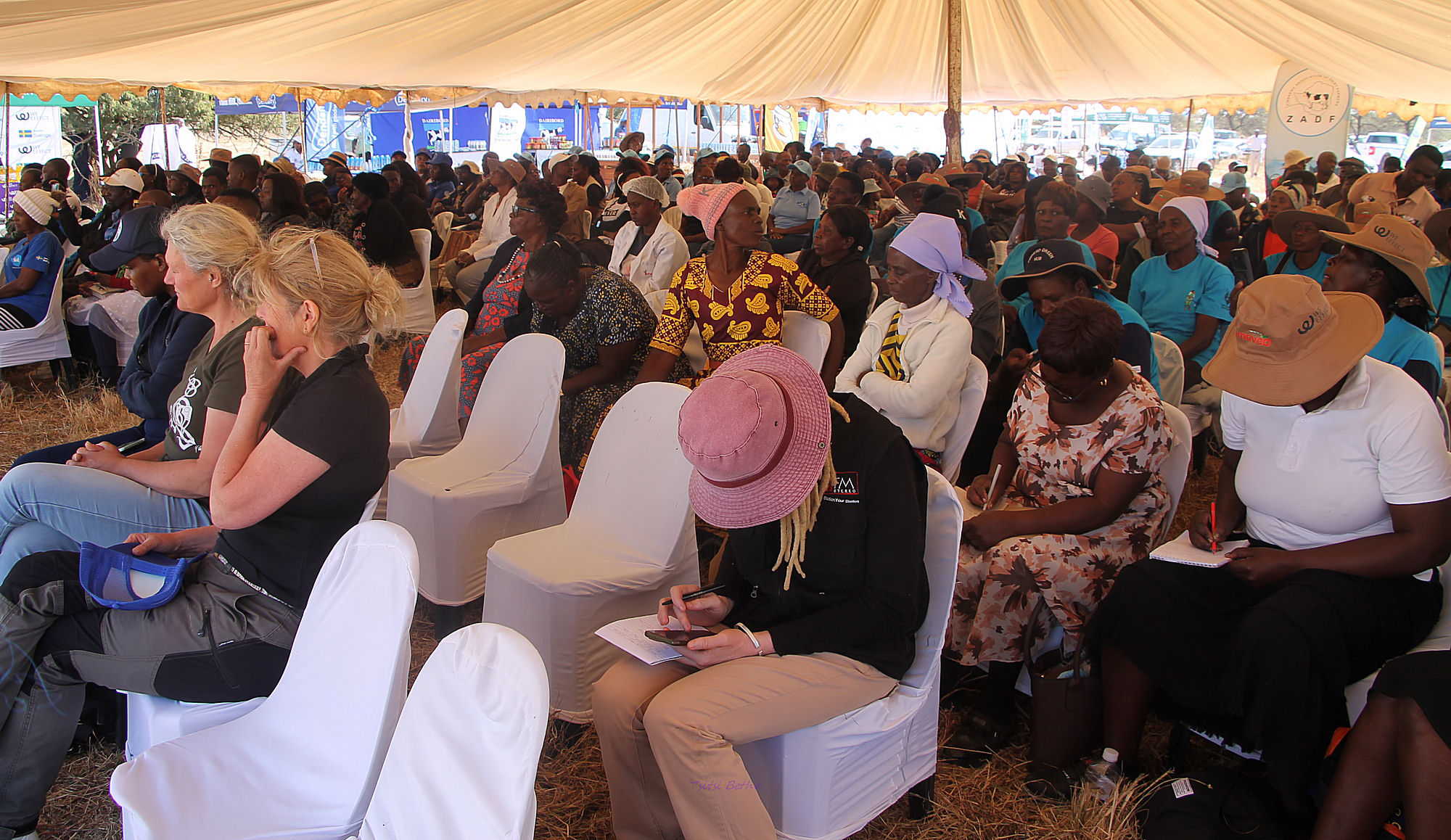
The gathering drew together dairy producers, policymakers and industry representatives, among them members of the Marirangwe Dairy Association and its sister group, the Marirangwe Ladies in Dairy Association, which together bring 43 farmers under one banner.
Speaking on behalf of Senator Monica Mutsvangwa, the Minister of Women’s Affairs, Community, Small and Medium Enterprises Development, guest of honour Dr Mavis Sibanda told the gathered audience that women have become indispensable players across the dairy value chain and are making a measurable difference to the nation’s agricultural performance. She described female farmers as torchbearers of agricultural transformation, noting that their work is bolstering food security, generating jobs and revitalizing rural communities.
Dr Sibanda observed that women now make up a substantial share of Zimbabwe’s agricultural workforce and are steadily moving into leadership positions as farm owners, processors, traders and entrepreneurs throughout the value chain. She further argued that supporting women in dairy farming carries social benefits beyond economics, suggesting that financial independence gained through such ventures helps shield families from gender-based violence. According to her, when women are able to bring a steady income into the household, family units grow stronger and entire communities become more stable.
The event also gave a platform to farmers who have built thriving dairy enterprises from modest beginnings. Esther Marwa, a producer from Nharira, recounted her own path into the industry and credited guidance from more experienced colleagues for helping her turn dairy farming into a dependable source of income. She urged other women to consider the sector, describing it as a reliable route to improved livelihoods for those willing to invest the effort.
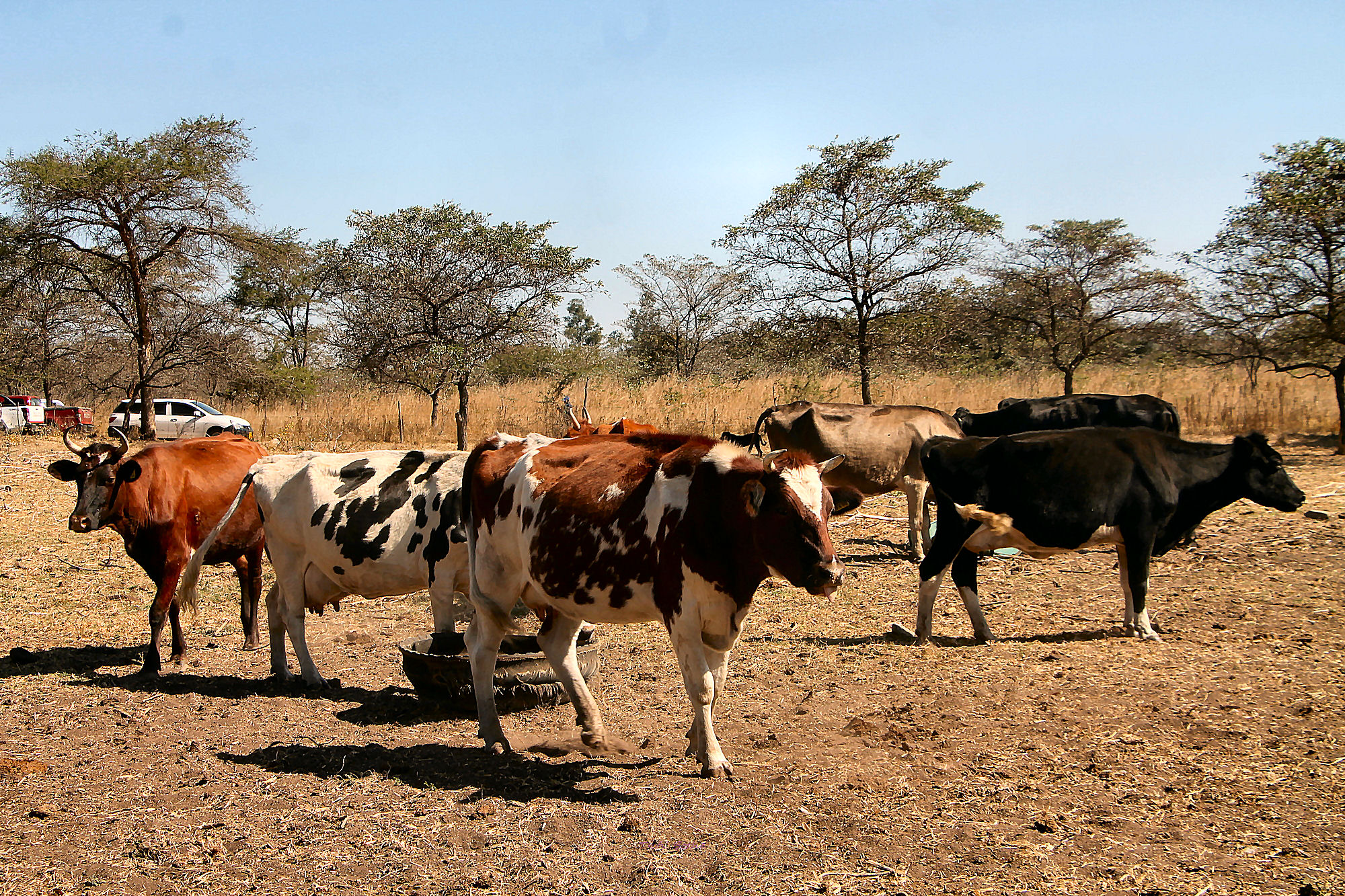
Host farmer Mrs Pauline Mandishona Hela received praise for transforming her property into a hands-on training ground where fellow farmers can learn and share techniques for improving milk output.
On the policy front, ARDA Chief Executive Tinotenda Mhiko, representing Agriculture Minister Dr Anxious Masuka, outlined the strong momentum building in the national dairy sector. He reported that Zimbabwe produced 155 million litres of milk in 2025, of which 121 million litres came from commercial producers, with the remainder consumed directly by households. Output climbed a further eight percent in the first quarter of 2026, topping 30 million litres and outperforming the same period the previous year, while cumulative production for the year had already exceeded 40 million litres by April.
Mhiko attributed this momentum to deliberate policy reform and targeted investment, pointing to a national dairy herd that has grown to nearly 67,000 animals on the back of improved breeding, feeding and husbandry practices. Overall, production has surged 129 percent since 2017, putting Zimbabwe on course to meet its ambitious goal of producing 200 million litres annually by 2030 under the Agriculture, Food Systems and Rural Transformation Strategy.
Even so, Mhiko cautioned that rising dairy imports underline the urgency of boosting domestic output and efficiency, calling for renewed focus on cow productivity so that locally consumed milk is increasingly locally produced. He stressed that lasting growth will depend on continued investment in superior genetics, animal health, reliable feed and water supplies, infrastructure and market access.
Participants agreed that platforms such as World Milk Day remain vital for sharing practical knowledge on breeding, disease control, feeding systems and emerging technologies. As Zimbabwe presses ahead towards dairy self-sufficiency, speakers were unanimous that women farmers and organized groups like the Marirangwe Dairy Association will remain central to strengthening rural livelihoods and securing the nation’s food and nutrition future.


