
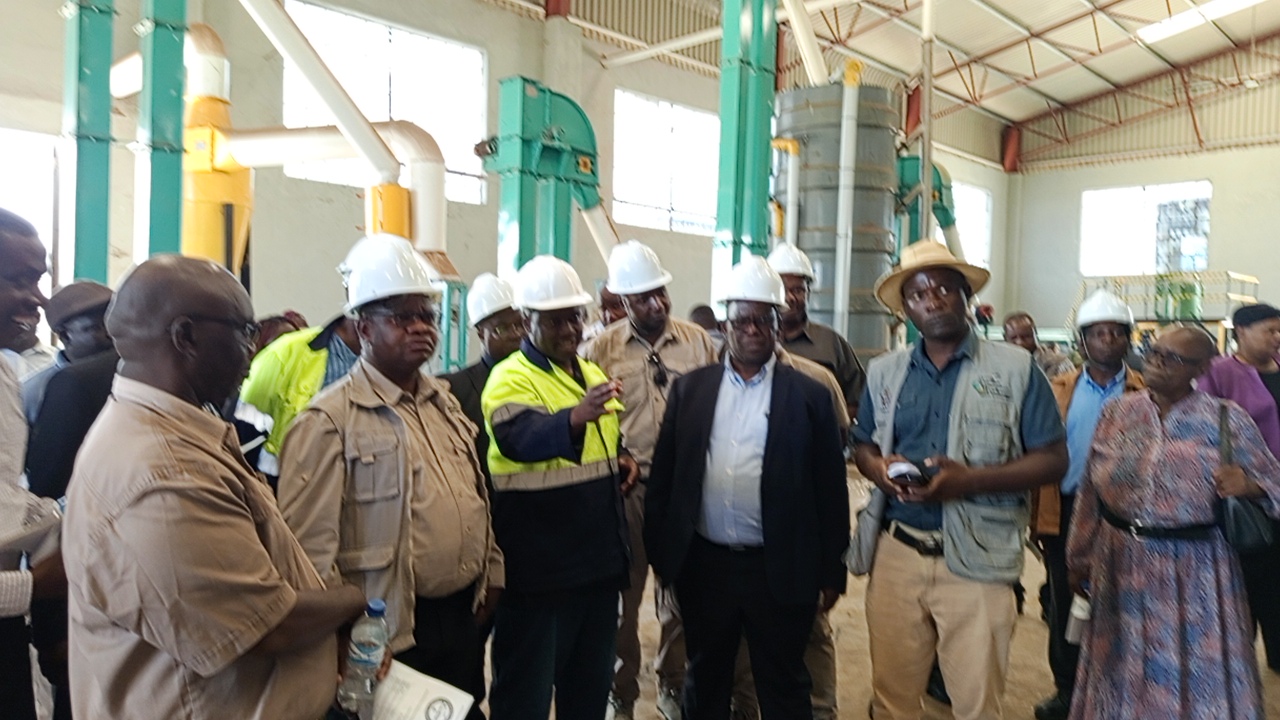
Zimbabwe’s rural industrialisation agenda received a significant boost yesterday as senior Government officials conducted a commissioning progress visit to the Finealt Engineering (FE) Mutoko Bio economy Industrial Park, a flagship project under the Ministry of Higher and Tertiary Education, Innovation, Science and Technology Development.
The visit brought together key stakeholders from Government, academia, and industry, highlighting the growing momentum behind the country’s bio-economy programme, which seeks to integrate agriculture, manufacturing, and innovation into a unified rural development model.
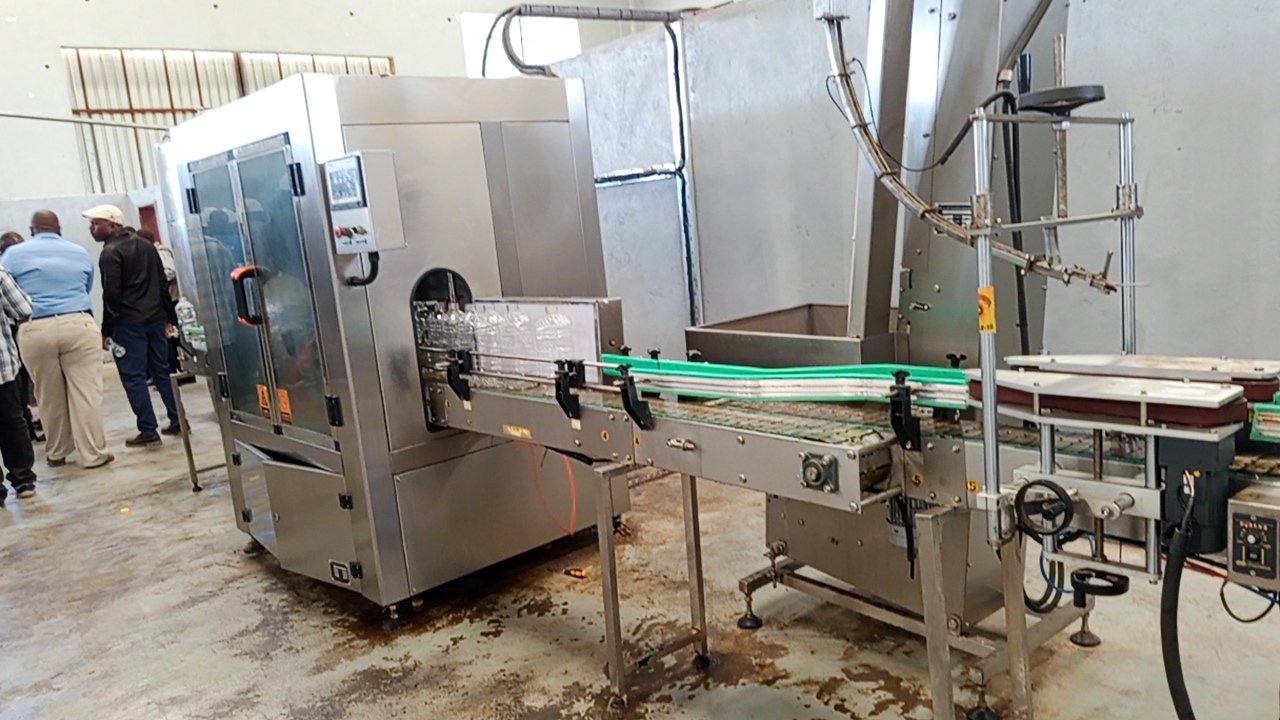
The programme began with a tour of the industrial park, where guests were taken through major production units, including the biodiesel plant, cooking oil processing facility, soap manufacturing section, and the out-growers scheme that anchors feedstock supply from surrounding communities.
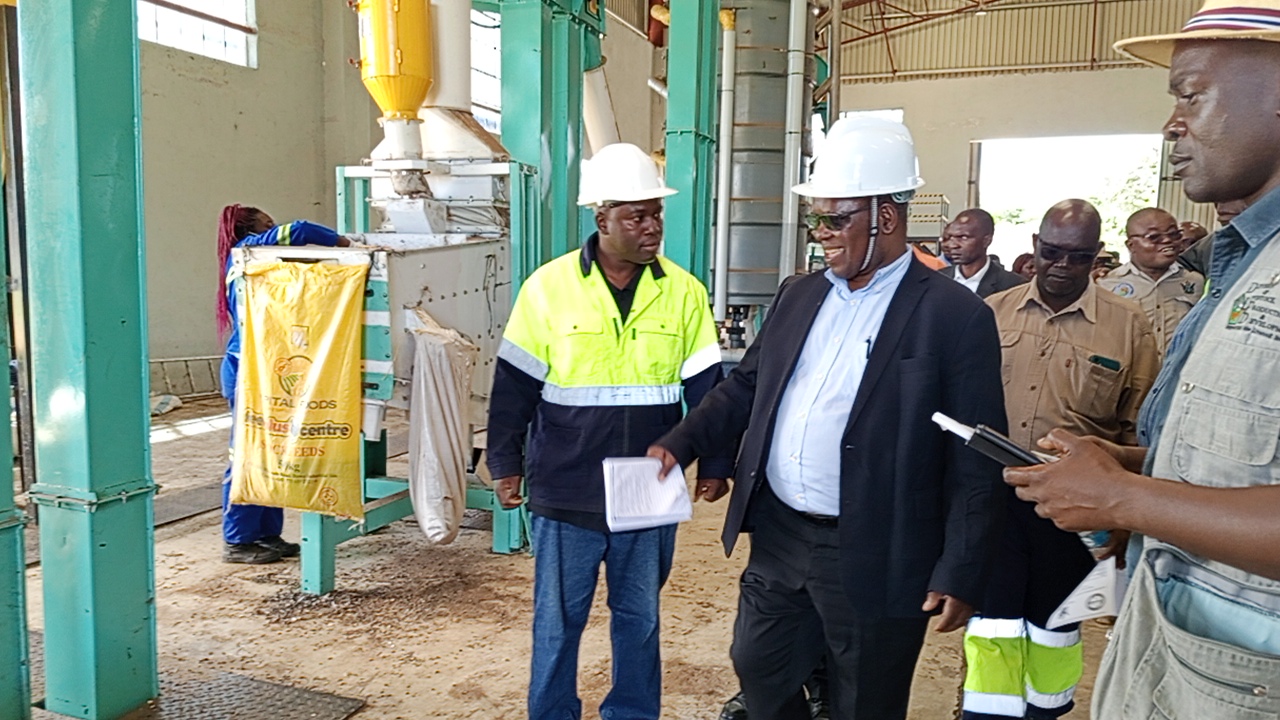
Speaking during discussions on feedstock supply, Prof Obert Jiri, Permanent Secretary in the Ministry of Lands, Agriculture, Fisheries and Rural Development, emphasized the critical role of agriculture in sustaining the bio-economy value chain.
“We must ensure a reliable and consistent supply of feedstock such as sunflower and jatropha from our farmers. This programme is not just about industry, but about empowering communities to actively participate in national development,” he said.
Prof Jiri emphasized the importance of structured out-grower schemes, noting that strengthening farmer participation would guarantee raw materials for processing while improving rural livelihoods.
Deliberations on the commissioning of the facility were led by Prof Fanuel Tagwira, Permanent Secretary in the Ministry of Higher and Tertiary Education, Innovation, Science and Technology Development, who called for collective commitment to ensure the project’s success.
“As we look ahead to the commissioning of this place, our priority is to ensure that everything is in place for a smooth and timely process. We want the commissioning to happen as soon as possible, but that will require the full support and collaboration of each and every one of you,” said Prof Tagwira.
He stressed that the initiative goes beyond infrastructure development, positioning it as a long-term national asset.
“This is not just about launching a facility; it is about creating something that continues to function, grow, and serve long after the official opening. The answer to its sustainability lies in our collective commitment, continuous support, and shared responsibility,” he added.
Prof Tagwira further described the Mutoko project as a symbol of inter-ministerial collaboration and community-driven development.
“This initiative is beyond being a project, t is a story of collaboration between ministries, provinces, and stakeholders, all coming together to deliver something of lasting value for the people of Mutoko,” he said.
The Mutoko Bio-economy Industrial Park is a practical demonstration of Zimbabwe’s rural industrialisation model, where agricultural production feeds directly into local manufacturing. The facility processes sunflower into cooking oil and stock feed, while jatropha is used for biodiesel production, ensuring full value chain utilisation.
The project also reflects the country’s Heritage-Based Education 5.0 philosophy, with local universities and polytechnics playing a central role in designing, constructing, and installing the plant’s systems.
Once fully operational, the plant is expected to significantly reduce Zimbabwe’s reliance on imports such as cooking oil, while creating jobs and increasing incomes for rural communities.
With commissioning now imminent, stakeholders expressed optimism that the Mutoko Industrial Park will serve as a blueprint for similar bio-economy hubs across the country, accelerating Zimbabwe’s journey toward inclusive and sustainable economic growth.


