
Harare is set to make history in the global arts and cultural heritage sector when it hosts the 58th Annual Conference of the International Committee for Museums and Collections of Modern Art (CIMAM) from November 20 to 22. It will be the first time the prestigious international museum network has held its annual gathering on African soil.
Hosted by the National Gallery of Zimbabwe (NGZ) in Harare, the conference is expected to bring together museum directors, curators, art collectors, researchers and cultural professionals from across the world. They will discuss the evolving role of museums in preserving heritage, promoting artistic expression and responding to contemporary global challenges.
Running under the theme “Museums Beyond Limits: Imagining Repair Across Cultures, Ecologies and Knowledges”, the three-day gathering places African perspectives, indigenous knowledge systems and community-centred approaches to cultural preservation at the centre of international discussions.
The event also offers a chance to position Zimbabwe as a destination for cultural tourism, complementing its established attractions with its visual arts, sculpture, heritage institutions and contemporary creative industries.
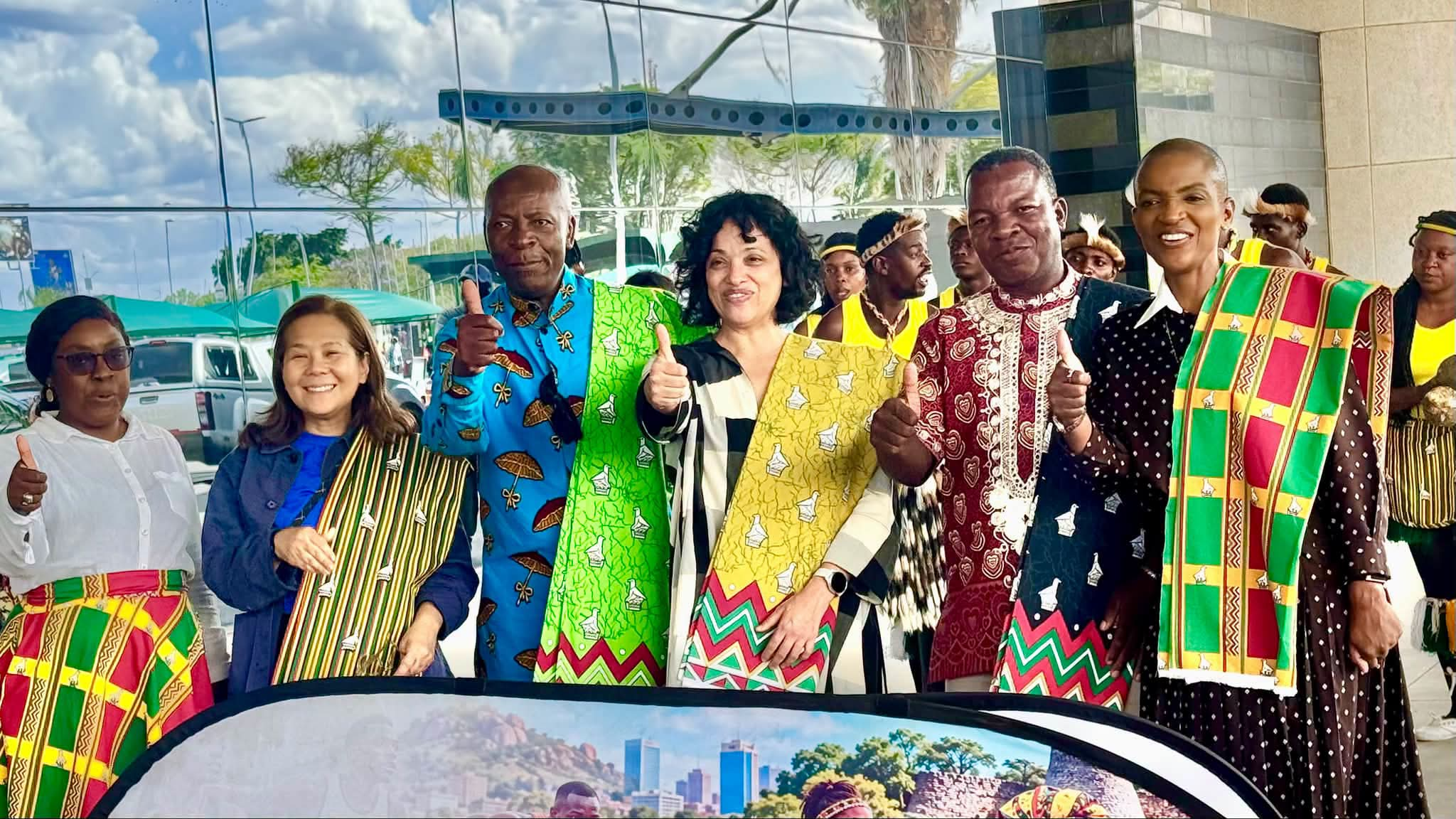
Minister of Tourism and Hospitality Industry Barbara Rwodzi welcomed CIMAM President Amanda de la Garza at Robert Gabriel Mugabe International Airport ahead of the conference. She was accompanied by Dr Biggie Samwanda, Director of Arts in the Ministry of Sport, Recreation, Arts and Culture, and NGZ Chief Executive Officer Raphael Chikukwa.
Rwodzi described the hosting of the conference as an exciting milestone that reflects Destination Zimbabwe’s growing appeal to international visitors interested in arts, culture and luxury experiences.
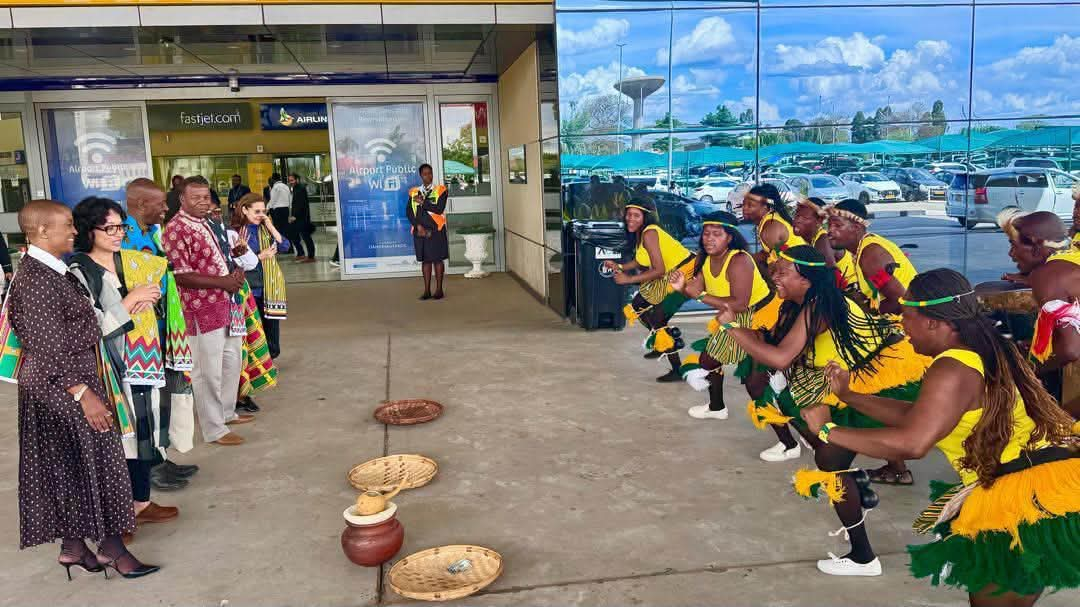
Through a whole-of-government approach involving the Ministries of Tourism and Hospitality Industry; Sport, Recreation, Arts and Culture; and Home Affairs and Cultural Heritage, the country is seeking to harness its cultural assets to enrich tourism experiences and create opportunities for local communities.
The initiative recognises that cultural heritage is not only a source of national identity but also an economic resource capable of generating employment, supporting creative businesses and attracting international investment.
The conference comes at a significant time for the local arts sector, following the appointment of renowned ophthalmic surgeon and art collector Dr Solomon Guramatunhu as CIMAM’s first-ever Zimbabwean Major Patron. The recognition places him among an international group of individuals, foundations and institutions supporting the organisation’s work in advancing modern and contemporary art museums.
Dr Guramatunhu previously served as Chairman of the National Gallery of Zimbabwe for 10 years and is a prominent collector of paintings and Shona stone sculpture. He has also advocated for greater investment in the arts, encouraging local corporates and individuals to support artists and cultural institutions.
His appointment highlights the contribution of private-sector patronage towards sustaining the arts and strengthening the visibility of local creative talent on international platforms.
According to the published programme, the conference will be structured around three thematic areas, each addressing a different dimension of the contemporary museum’s role.
The opening day, Friday, November 20, will focus on Good Museum Practice, examining museum governance, institutional responsibility, cultural stewardship and the need to move beyond traditional Western definitions of best practice.
The opening ceremony will feature a performance by celebrated poet and musician Albert Nyathi. Remarks will follow from CIMAM President Amanda de la Garza, NGZ Executive Director Raphael Chikukwa, International Council of Museums (ICOM) President Antonio Rodriguez and ICOM Africa President Jean-Paul Koudougou.
The Minister of Sport, Recreation, Arts and Culture, Lieutenant General (Retired) Ambassador Anselem Nhamo Sanyatwe, is also scheduled to deliver official opening remarks, while President Emmerson Mnangagwa is listed to deliver a special address.
The opening keynote, titled “What Are We Keeping Alive When We Keep an Institution Alive?”, will be delivered by Gabi Ngcobo, Director of Kunstinstituut Melly in Rotterdam, Netherlands.
Saturday, November 21, will explore Tools of Transformation, focusing on the technologies, strategies and institutional approaches that can enable museums to become agents of social and cultural change. Among the scheduled presentations is a keynote address by David Teh titled “Redundancy and the Museum”, alongside discussions on contemporary artistic practices, community engagement and the changing relationship between cultural institutions and society.
The final day, Sunday, November 22, will be dedicated to Radical Hospitality, exploring how museums can become more inclusive spaces that encourage belonging, participation and dialogue. The day’s keynote, “Towards a Cosmopolitan Radical Hospitality and the Post-Colony Museum”, will be delivered by Thembinkosi Goniwe.
There will be discussions on access, belonging and the politics of invitation, drawing on the African philosophy of Ubuntu and its emphasis on humanity, mutual care and collective responsibility.
Beyond the conference sessions, delegates will experience the country’s creative landscape through curated visits to galleries, artist studios and cultural spaces. These include Chitungwiza Art Centre, Mbare Art Space, Animal Farm Artist Residency, Dzimbanhete Art Interactions, First Floor Gallery, Village Unhu, the National Museum of Human Sciences and the National Gallery School of Visual Art and Design.
These spaces represent different aspects of the country’s creative ecosystem, from established stone sculpture traditions and contemporary painting to experimental installations, printmaking, community-based art and artist development.
The visits are particularly important for emerging artists and independent creative spaces, which often operate outside the visibility enjoyed by established institutions. By bringing international museum professionals into direct contact with local practitioners, the conference could open avenues for professional exchanges, collaborations, exhibitions and access to international markets.
The National Gallery of Zimbabwe itself has played a significant role in promoting the country’s visual arts. Established in 1957, the institution houses a permanent collection of close to 6,000 artworks, including Shona stone sculptures, paintings, installations, textiles and basketry. It also operates regional galleries in Bulawayo and Victoria Falls, alongside its wider cultural and educational programmes.
A major highlight of the gathering will be the launch of Connecting Elements, an exhibition co-curated by Raphael Chikukwa and Zvikomborero F. Mandangu, in partnership with the Embassy of Switzerland in Zimbabwe and Delta Beverages. The exhibition explores the connections between people, materials, histories, environments and different systems of knowledge. It features artists including Mthabisi Pili, Berry Bickle, Helen Tidd, Kresiah Mukwazhi and Clive Mukucha.
The programme will also include an exhibition of historic Italian masterpieces, including works by Paolo Veronese and Andrea Piazza, following their repatriation from the United Kingdom in 2018.
The conference is being hosted under the auspices of the Government, with Higherlife Foundation as lead sponsor. Other supporting partners include Mercedes Vilardell, Luckybean Foundation, Terra Foundation for American Art and Bouckaert Family Trust.
An optional post-conference tour on November 23 and 24 will take participants to Great Zimbabwe, Masvingo and Serima Mission, extending the cultural experience beyond Harare. The tour will provide further exposure to the country’s archaeological heritage, spirituality, architecture and artistic traditions.
For the tourism industry, the event presents an opportunity to demonstrate the commercial and cultural value of diversifying the country’s tourism products. While Zimbabwe is internationally recognised for attractions such as Victoria Falls, its wildlife, national parks and natural landscapes, the creative arts and cultural heritage sector offers additional experiences capable of attracting specialised international markets.
The conference also creates opportunities for local accommodation providers, transport operators, restaurants, tour companies, artists and other businesses within the hospitality and creative industries. The broader objective is to ensure that communities benefit from the country’s cultural resources through increased demand for locally produced artworks, crafts, cultural experiences and creative services.
With the National Gallery of Zimbabwe welcoming the CIMAM Secretariat and preparations under way across Harare, the conference marks an important moment for the country’s cultural institutions. For local artists and creative practitioners, the arrival of the international museum community offers a chance to present their work, exchange ideas and establish relationships that could extend well beyond the three-day programme.
The CIMAM Annual Conference, Harare will place the continent’s artistic perspectives, cultural knowledge and creative potential at the centre of a global conversation about the future of museums. The event therefore represents not only an international endorsement of the country’s cultural institutions but also an opportunity to strengthen the relationship between arts, heritage, tourism and economic development.


