
Zimbabwe is stepping up efforts to strengthen its health system, with delayed budget releases, medicine shortages and staffing gaps emerging as major obstacles to improved healthcare.
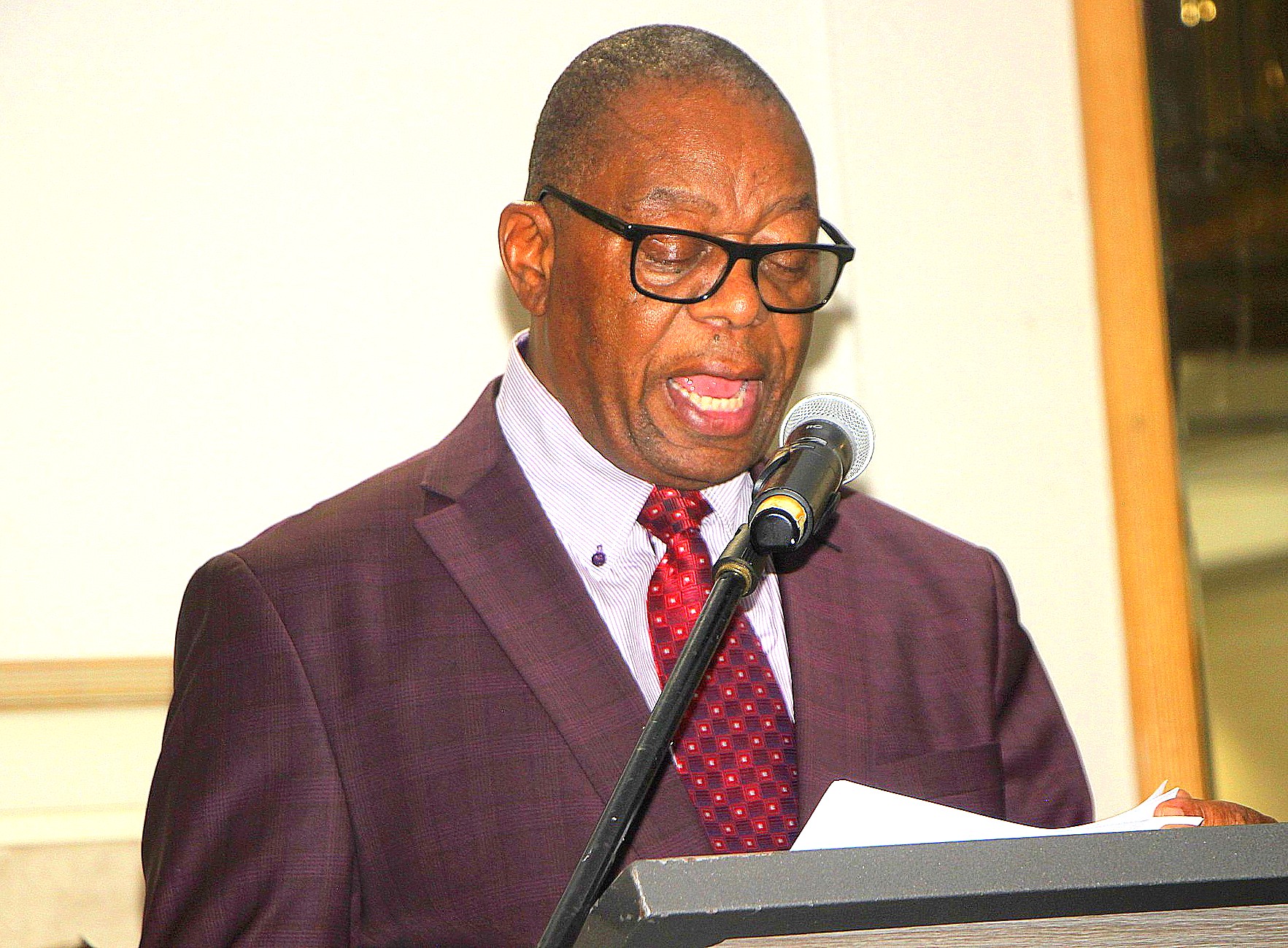
Health Minister Honourable Dr Douglas T. Mombeshora (MP) outlined the challenges and Government’s response during the High-Level Health Sector Coordination Meeting at the Harare International Conference Centre on Monday, 16 November 2026.
The meeting brought together Government officials, development partners, United Nations agencies, private health providers, civil society organisations and professional bodies to review progress and agree on priorities for the sector.
Dr Mombeshora said the country was implementing the Zimbabwe National Health Strategy 2026–2030, which is aligned with the Second National Development Strategy (NDS2) and Vision 2030.
He said the decisions made on financing, partnerships, human resources and service delivery would determine whether national health targets translated into better outcomes.
“Our health system has continued to deliver under considerable pressure,” he said. “We must therefore recognise our achievements while confronting persistent gaps with urgency and determination.”
The Minister identified primary healthcare, maternal and child health, disease prevention, medicine availability and health security as key priorities. He stressed that these areas required a coordinated approach supported by skilled personnel, equipment, infrastructure and reliable funding.
One of the most pressing challenges is the gap between approved health budgets and the money actually released for programmes.
Dr Mombeshora told the meeting that only 52.8 per cent of the Ministry’s approved budget had been disbursed by 30 September, against a nine-month benchmark of 75 per cent.
The Ministry had, however, used approximately 90 per cent of the funds released.
“Budget allocations must be matched by timely and predictable releases,” he said, calling for stronger engagement with Treasury on cash-flow planning and the release of funds in line with programme priorities.
He also urged improvements in procurement, financial management and planning to ensure that available resources translate into services.
Government is looking to strengthen domestic health financing through the effective management of the Health Levy, Sugar Tax and Health Services Fund. The proposed National Health Insurance framework is also expected to improve financial protection and reduce the burden of medical costs on households.
Dr Mombeshora said the 2027 Budget process offered an opportunity to move closer to the Abuja commitment of allocating at least 15 per cent of the national budget to health.
The Minister reported an institutional maternal mortality ratio of 93 deaths per 100,000 live births and neonatal mortality of 14.5 per 1,000 live births.
Although these figures were encouraging against quarterly targets, he said preventable deaths remained a serious concern.“Every preventable maternal and newborn death remains unacceptable,” he said.
He called for stronger maternal and neonatal death reviews, emergency obstetric and newborn care, referral systems and follow-up action at provincial and district levels.
DPT3 immunisation coverage stood at 98 per cent, a result the Minister said needed to be maintained, particularly among underserved and mobile communities.
However, HIV treatment coverage was reported at 95 per cent against a 97 per cent target, while tuberculosis notifications were approximately 73 per cent of the quarterly target.
The Minister called for improved case identification, targeted testing and continuity of treatment. He also raised concerns about GeneXpert cartridge availability and equipment functionality, which affect the diagnosis of tuberculosis.
With the rainy season approaching, he urged national and provincial teams to prepare for malaria through stronger surveillance, reliable diagnostics, essential supplies and community prevention.
The growing burden of hypertension, diabetes, cardiovascular diseases and cancer also requires greater attention, with prevention and early detection integrated into primary healthcare.
Medicine availability remains another measure of the health system’s performance.
Dr Mombeshora reported that 50.54 per cent of health facilities met the required tracer medicine stock levels during the third quarter, against a target of 55 per cent.
He called for better forecasting, procurement, distribution and stock monitoring, with particular attention to the final stage of delivery to local health facilities. “The measure of success is whether patients can obtain the medicines they need at their local health facilities,” he said.
Government also intends to sustain the Presidential Health Sector Rehabilitation Programme. Progress at Mbuya Nehanda Maternity Hospital, Mpilo, Maphisa and Kezi was acknowledged, although the Minister stressed that construction must be followed by equipping, staffing and operational readiness.
The installation of radiotherapy equipment at Parirenyatwa and Mpilo hospitals is expected to strengthen cancer treatment and reduce the need for patients to seek specialised care outside the country.
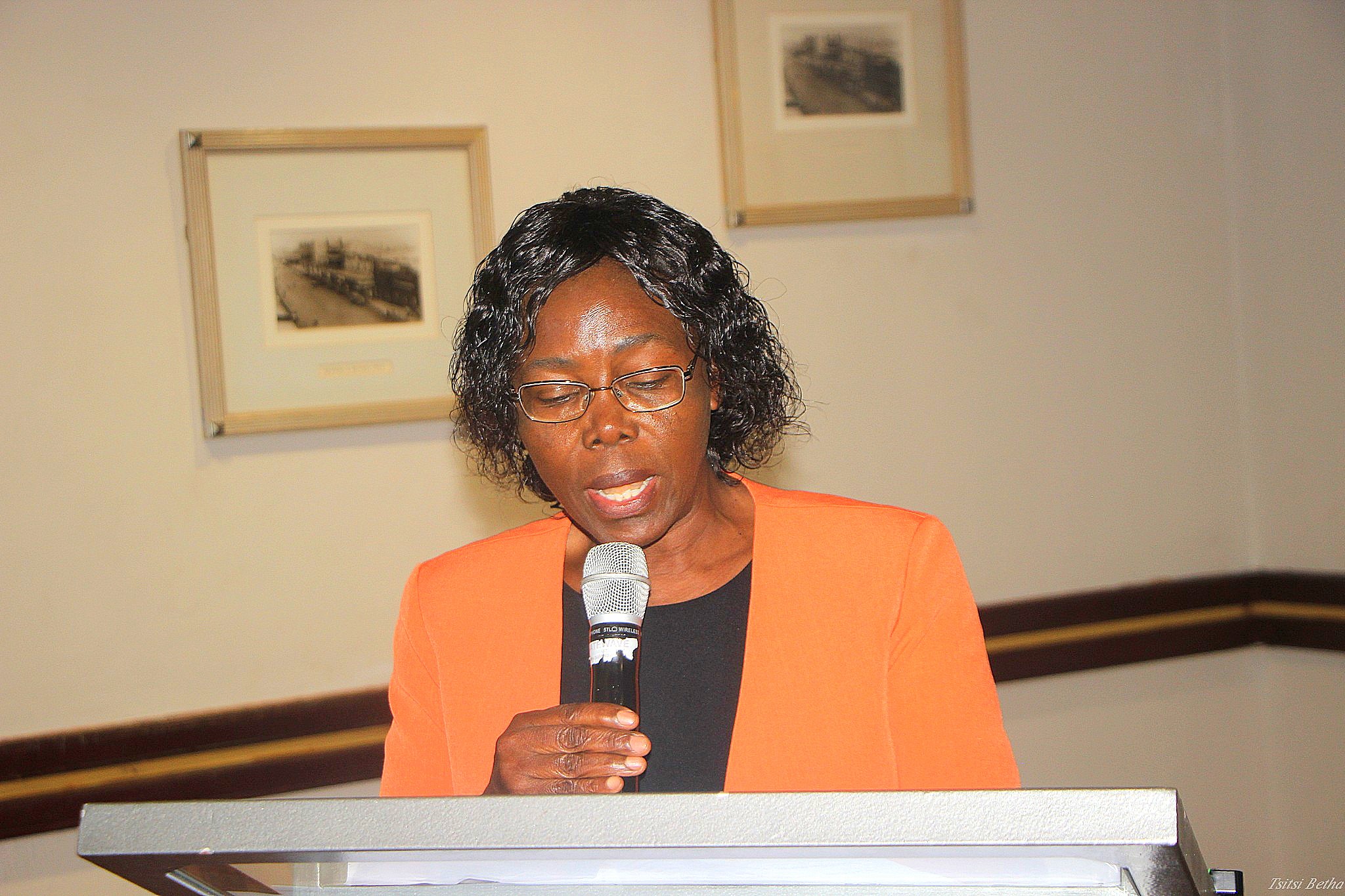
The Health Services Commission Deputy Chairperson, Dr A. R. Kangwende, said Government had created just over 14,000 health-sector posts in 2025 and 2026 as part of efforts to expand the workforce.
However, slightly more than half of the posts had been filled, while the Ministry’s overall vacancy rate stood at 13 per cent.
“The overall vacancy rate in the Ministry of Health and Child Care is 13 per cent,” Dr Kangwende said.
She attributed the vacancies to the expansion of the establishment, shortages of candidates in specialised fields and the gradual absorption of personnel previously supported through partner-funded arrangements.
The Commission is working with the Ministry, training institutions, professional bodies and development partners to improve recruitment, specialist training and staff retention.
Dr Kangwende said a proposed three-tier rural retention model had been submitted to provide incentives based on the level of remoteness and hardship.
She also acknowledged the Global Fund’s support for the existing rural retention scheme, which helps to attract health workers to underserved areas and supports tutors at training institutions.
Village health workers were identified as an important link between communities and formal health services.
“Village health workers are an important link between the community and the formal health system,” Dr Kangwende said, adding that Government was working towards providing them with predictable stipends.
The Commission is also strengthening performance management. Under the Global Fund Cycle 7 intervention, 920 health workers had received performance management training by the third quarter.
Dr Kangwende said a new framework would help assess clinical services and connect individual and institutional performance with service delivery.
Dr Mombeshora warned that contracts for partner-supported personnel would reach a critical expiry point at the end of December 2026.
He said continuity of HIV, tuberculosis, malaria, laboratory, data and other essential services must be protected.
The Ministry, Health Services Commission, Treasury, provincial leadership and development partners must urgently agree on staffing requirements, funding gaps and sustainable transition arrangements.
The Minister also called for stronger participation by private hospitals, clinics, laboratories, pharmacies and insurers in national planning and reporting systems.
He said public-private partnerships could support infrastructure, diagnostics, specialist services, digital health, training and local production, provided they were transparent and protected the public interest.
An opening speaker at the meeting had earlier urged stakeholders to focus on practical solutions and stronger implementation, noting that technical working groups and coordination structures provided an important evidence base for sector decisions.
“The value of this meeting lies not only in the decisions we make, but in how effectively we implement them,” the speaker said.
Dr Mombeshora said the priorities agreed at the meeting must be translated into clear responsibilities, timelines and measurable targets.
Ultimately, he said, the country’s progress would be judged by whether mothers received safe care, newborns survived, children were immunised and patients could access uninterrupted treatment.


1 comment
[…] needs stronger domestic investment, better budget management and a clear plan to protect essential health services as external funding becomes less predictable, United Nations officials and development […]