
Zimbabwe needs stronger domestic investment, better budget management and a clear plan to protect essential health services as external funding becomes less predictable, United Nations officials and development partners have warned.
The call came during the High-Level Health Sector Coordination Meeting at the Harare International Conference Centre on Monday, where stakeholders examined the future of health financing and the sustainability of programmes supported by international partners.
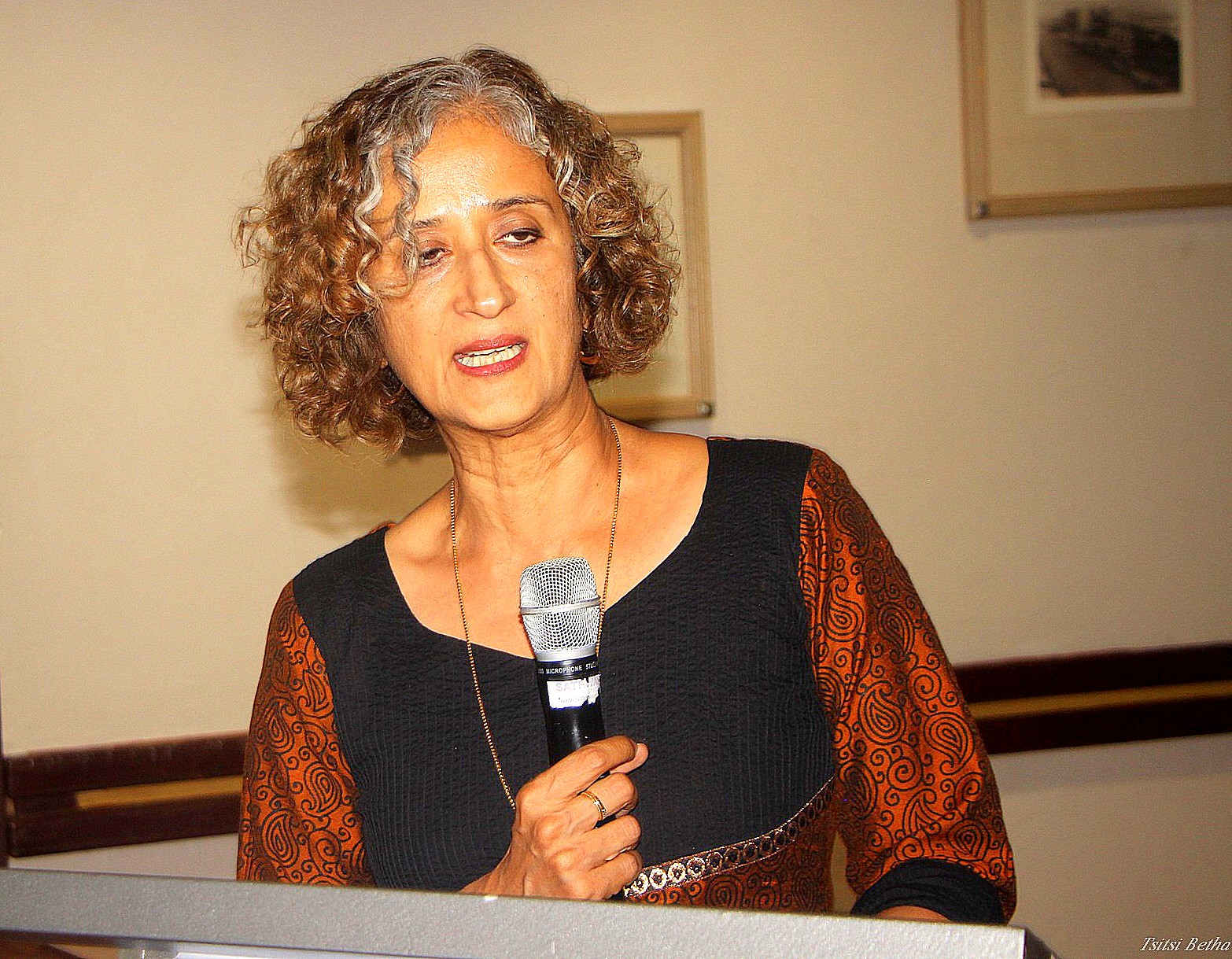
United Nations Resident Coordinator in Zimbabwe, Dr Rosemary Kalapurakal, said the country could not rely on replacing every reduction in donor funding with another external contribution.
“We cannot replace every donor dollar with another donor dollar,” she said, calling for a gradual shift towards domestic financing and better use of existing resources.
Dr Kalapurakal pointed to the reported increase in Government investment in the health workforce, from US$9 to US$35 per capita, but said the key question was whether increased spending was producing better services. “Higher spending does not automatically mean better outcomes,” she said.
She urged Government to look beyond budget allocations and examine whether funds were released on time and reached health facilities.
The UN Resident Coordinator also called for more private investment, including social impact financing, and a stronger case for investment in the health sector.
She said the transition in development assistance must protect essential services, particularly those delivered through community health workers.
Dr Kalapurakal warned that anticipated El Niño conditions could place additional pressure on water and sanitation systems, affect disease patterns and disrupt essential services.
She called for early action, including risk mapping, pre-positioning emergency supplies and strengthening preparedness at health facilities and community level.
“Preparedness must reach the facility and community levels, particularly those most vulnerable,” she said, and also highlighted the need to address diagnostic access and supply-chain weaknesses, arguing that these challenges directly affect patients and should not be treated as purely administrative concerns.
Malaria preparedness, she added, needed to form part of a wider effort to strengthen the health system.
Dr Kalapurakal said the coordination meeting should be used to identify practical solutions, clarify where development partners could contribute and prevent duplication of support.
She stressed that completing the costing of the Zimbabwe National Health Strategy 2026–2030 would help Government establish its financing requirements and identify the remaining gaps.
She also urged UN agencies, including UNDP, UNICEF, WHO and UN Women, to align their expertise and programmes behind national priorities.
Health Development Partners Forum Co-Chair, Dr Jo Abbot, said Zimbabwe needed to protect the gains already made while building a health system that could withstand changes in international funding.
She identified four priorities: sustainable financing, a properly supported workforce, reliable access to medicines and stronger health security.
Dr Abbot said the changing funding environment made it necessary to maximise the value of every dollar invested in healthcare.
She welcomed Government’s efforts to complete the costing of the National Health Strategy, improve public financial management and strengthen budget execution.
Figures presented by Dr Abbot showed that 41 per cent of the Ministry of Health and Child Care’s budget allocation had been disbursed in 2025, with 92 per cent of the released amount utilised.
She said delays in releasing funds remained a major concern and called for closer engagement between the Ministry and Treasury.
“Development partners stand ready to support the Ministry and Treasury in developing transition plans and addressing disbursement challenges,” she said.
Dr Abbot also linked health financing to the International Monetary Fund’s Staff-Monitored Programme and the protection of social spending.
Quoting the IMF’s second review report, she said: “All quantitative and indicative targets of Government of Zimbabwe were met, except the floor on protected social and priority spending, which was missed again.”
She urged Government to protect domestic resources for health, improve spending efficiency and gradually take responsibility for essential services that still depend on external support.
Dr Abbot said the country’s ability to deliver quality care depended on having enough trained and motivated health workers.
“There is no resilient health system without a sufficient, motivated and sustainably financed health workforce,” she said.
She welcomed Government commitments towards workforce financing and support for village health workers, while calling for faster implementation of the health workforce investment compact.
The development partners’ representative also urged the authorities to fill critical approved posts and develop sustainable arrangements for personnel whose contracts have been supported by external funding.
Medicine shortages and weaknesses in supply chains were another concern.
Although progress had been made in medicines regulation, Dr Abbot said financing gaps, periodic stockouts and supply challenges continued to affect access to treatment.
“Forecasting, procurement, supply-chain management and last-mile visibility must be strengthened,” she said.
She encouraged Zimbabwe to consider pooled procurement as a way of securing better prices, achieving economies of scale and improving the reliability of supplies.
Dr Abbot also called for disease-specific programmes to be better integrated into primary healthcare, arguing that this would improve efficiency and make services more sustainable.
The development partners’ representative warned that rising malaria cases and deaths in 2026 showed the need for stronger surveillance and faster responses to changing disease patterns.
She also cited Ebola and other high-consequence infectious diseases as reasons to strengthen preparedness before outbreaks reach the country.
“Preparedness is not something we should begin when an outbreak reaches our borders,” Dr Abbot said.
She called for stronger early-warning systems, infection prevention and control, and better training and protection for health workers.
Dr Abbot said Zimbabwe was facing difficult choices following the end of the multi-donor Health Resilience Fund, changes to United States Government support and smaller funding envelopes under Global Fund grant cycle 8 and Gavi 6.0.
Despite the funding pressures, she said development partners remained committed to supporting the country’s health priorities.
“The objective is not simply to manage declining assistance, but to use this moment to accelerate the transition towards a sustainable, integrated, resilient and self-reliant health system,” she said.
Both the UN and development partners called for stronger coordination under Government leadership, with clear financing plans and better use of available resources.
Their message was that the funding transition should not interrupt essential services or reverse progress. Instead, it should create an opportunity to build a health system that can meet the needs of communities over the long term.


