
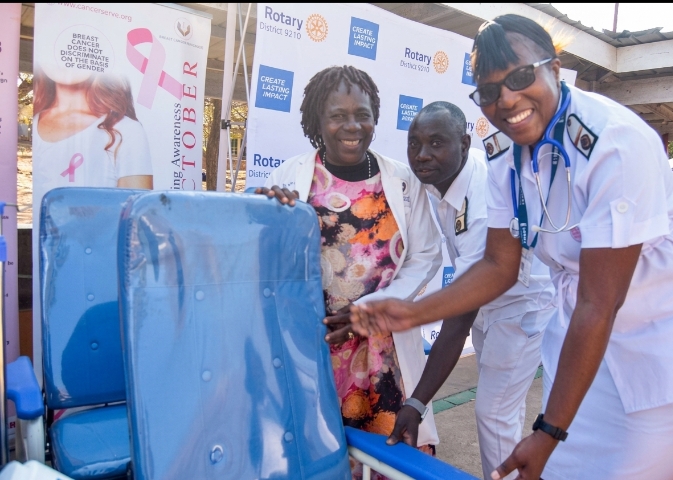
Zimbabweans have been urged to take greater responsibility for their health by embracing cancer prevention, regular screening and early medical attention, with specialists warning that many lives could be saved if the disease was detected before it reaches an advanced stage.
The advice came from oncologists during the CancerSave and partners oncology outreach at Karanda Mission Hospital on Friday, where medical professionals emphasized that cancer prevention begins long before a patient enters an oncology ward.
CancerSave founder Dr Anna Mary Nyakabau said prevention should be regarded as the first line of defence, particularly where certain cancers are associated with infections that can be prevented or treated.
She highlighted measures such as preventing HIV and human papillomavirus (HPV) infections, HPV vaccination and treating infections such as schistosomiasis, commonly known as bilharzia.
Dr Nyakabau said controlling such infections could reduce the risk of certain cancers and demonstrate the importance of addressing diseases before they develop into more serious conditions.
She pointed to Zimbabwe’s experience with Kaposi sarcoma as an example of how effective interventions can change the course of disease.
According to Dr Nyakabau, Kaposi sarcoma was once far more prevalent among people living with HIV, particularly before the widespread availability of anti retroviral therapy. The expansion of HIV treatment has since resulted in a major decline in the disease.
She said the success demonstrated that Zimbabwe had the capacity to control major health challenges through prevention, treatment and coordinated action.
Clinical oncologist Dr Kudzai Makova said cervical cancer remained the most common cancer in Zimbabwe, with prostate cancer the most common among men and breast cancer ranking among the leading cancers affecting both women and men.
He identified persistent HPV infection as the most important risk factor for cervical cancer and urged parents and communities to support HPV vaccination for girls aged between 10 and 13.
Dr Makova said cervical cancer was particularly important because there was a significant window of opportunity between HPV infection, the development of pre-cancerous changes and invasive cancer.
This makes screening a crucial intervention, allowing healthcare workers to identify abnormal changes before they become life-threatening.
He said Zimbabwe was also working towards cervical cancer elimination, with the long-term goal of reducing the disease to internationally recognized elimination levels.
For people who have already developed cancer, the message from the specialists was equally clear: do not wait for severe symptoms before seeking help.
Dr Makova explained that some cancers can have few or no symptoms during their early stages, making routine screening and awareness of changes in one’s body particularly important.
He encouraged women to make use of cervical cancer screening and breast examinations, while men should discuss prostate health with healthcare professionals and seek assessment when they experience unusual urinary symptoms.
He said people should not ignore persistent or unexplained changes in their bodies.
“People must love themselves,” Dr Makova said, explaining that loving oneself means paying attention to the body and seeking medical attention when something appears abnormal.
He also warned against allowing fear of cancer to prevent people from being screened.
According to Dr Makova, between 80 and 90 percent of Zimbabwean cancer patients present with locally advanced or stage-four disease, based on figures he cited from the Zimbabwe National Cancer Registry.
Late presentation, he said, makes treatment more complex, expensive and less likely to result in a cure.
The doctor explained that cancer staging helps medical teams determine how far the disease has spread and decide on the most appropriate treatment.
At an early stage, some cancers can be treated successfully, while advanced cancers that have spread to distant organs such as the liver, lungs or bones are considerably more difficult to cure.
Dr Makova also advised people to pay attention to lifestyle and occupational risk factors.
When evaluating a cancer patient, doctors consider factors such as smoking, alcohol consumption, physical activity, family history and occupational exposure to chemicals.
People working in environments involving mining or agricultural chemicals, for example, may require particular attention to occupational health risks.
However, Dr Makova cautioned that it is not always possible to identify a single cause of cancer in an individual patient.
The specialists also highlighted the importance of childhood cancer awareness.
Dr Makova said childhood cancers were relatively uncommon and were often associated with genetic factors, making prevention more difficult than with many adult cancers.
He said early recognition remained essential and highlighted cancers including brain tumours, kidney tumours, lymphomas, acute leukaemia and retinoblastoma.
He said healthcare workers should be alert to possible warning signs during routine child health and growth-monitoring visits.
In particular, he highlighted the importance of examining children’s eyes for signs of retinoblastoma, an eye cancer that can be treated more effectively when detected early.
The doctors also stressed that cancer screening should not be viewed as an admission that someone is sick.
Rather, screening provides an opportunity to identify abnormalities before they become serious.
Dr Nyakabau said the country’s progress in reducing Kaposi sarcoma through HIV treatment should give Zimbabweans confidence that cancer prevention and control can succeed when communities, healthcare professionals and policymakers work together.
The outreach at Karanda was part of efforts to take such messages and services closer to communities, particularly those far from major referral hospitals.
Dr Nyakabau said Karanda Mission Hospital was an important partner because it serves a large rural population and has some capacity to provide cancer services, including chemotherapy through an oncology nurse and support from an oncologist.
The initiative also supports the Ministry of Health and Child Care’s decentralisation agenda, under which services that can safely be provided closer to where patients live should be made available locally.
For the specialists, however, the most important intervention remains one that every individual can take: paying attention to their health.
Prevention where possible, vaccination, screening, avoiding known risk factors, knowing one’s family history and seeking medical attention early could make the difference between detecting cancer when it is treatable and discovering it when the disease has already spread.
The doctors’ message from Karanda was therefore not to wait for cancer to announce itself loudly.
“Know your body, get screened, seek help early and do not allow fear to stand between you and potentially life-saving treatment.”
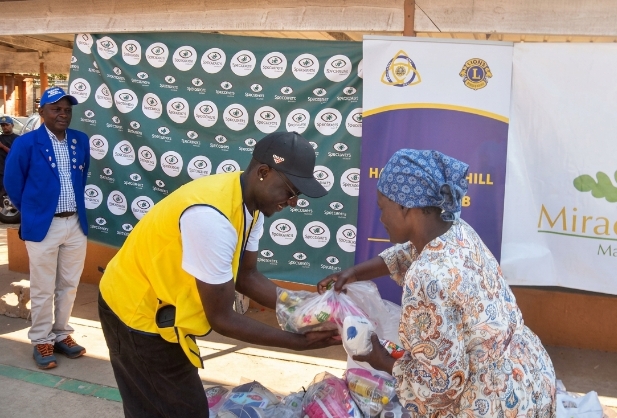
The outreach was wrapped up with a presentation of gifts to the patients by the CancerSave team.


