
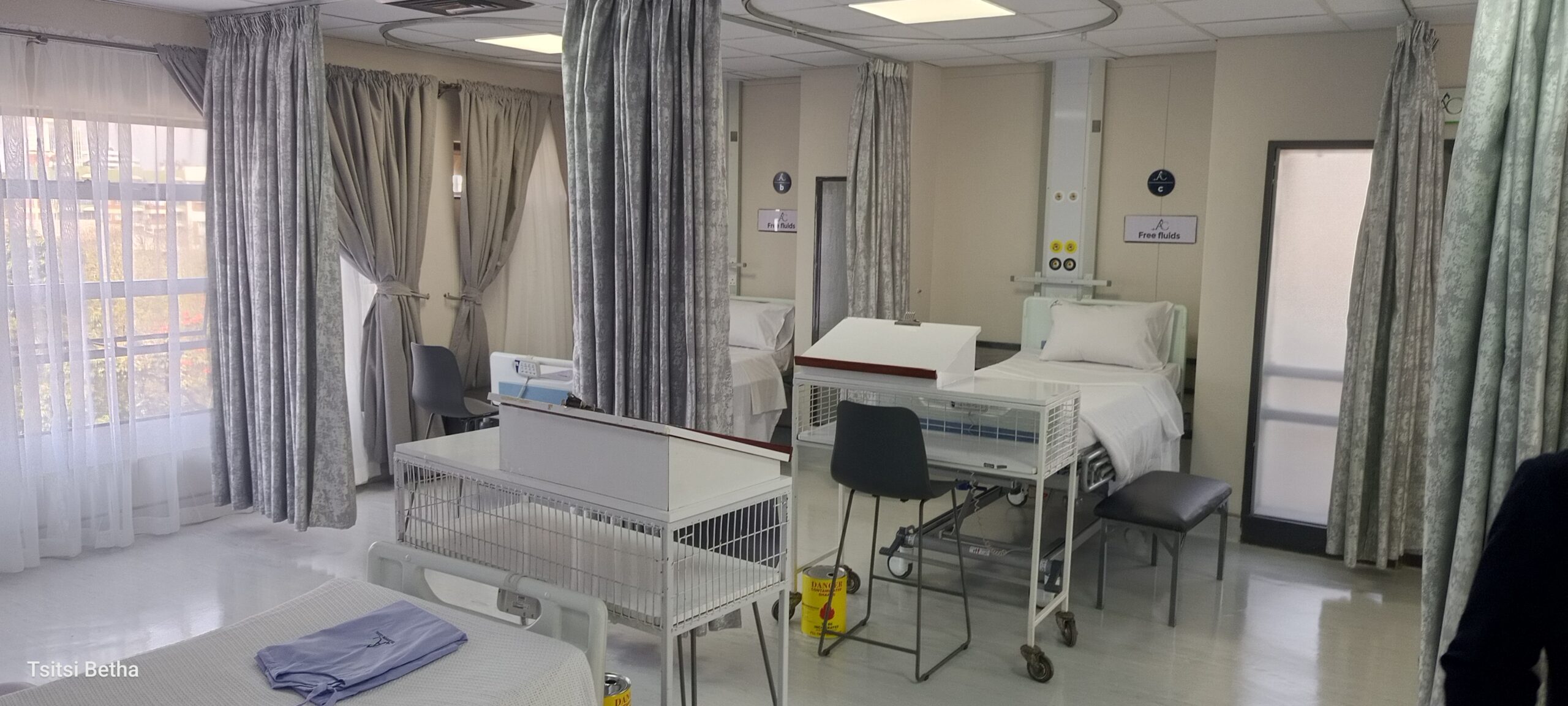
The Avenues Clinic is putting continued spending on infrastructure and medical equipment at the centre of its strategy for strengthening private healthcare capacity in Zimbabwe, following the completion of a US$500,000 upgrade to its critical-care facilities.
The investment has reshaped the hospital’s Intensive Care Unit, High Dependency Unit and Coronary Care Unit, bringing upgraded patient monitoring, integrated bedside systems and greater dialysis capability.
It forms part of roughly US$4 million spent on refurbishing the hospital, according to financial controller Oscar Maradzamunda.
Maradzamunda said the hospital’s shareholders and board had continued to back its infrastructure modernisation programme, with the next major project being an upgrade of the operating theatres. Over the past two decades, around four million dollars had gone into refurbishing the hospital, he said, with the theatre upgrade planned for the coming quarter.
He said the spending was intended to improve clinical outcomes and to ensure the private healthcare sector kept complementing government efforts to strengthen the country’s health system. Half a million dollars had gone into the critical-care unit alone, covering infrastructure, equipment and bedding, he added.

The latest project comes as the hospital looks to expand its capacity to manage patients who need intensive and specialized care.
A key part of the upgrade has been the expansion of dialysis access within the critical-care unit. The hospital previously had only one dialysis point, meaning patients sometimes had to be moved to free up the facility for someone else needing treatment. The refurbished unit now has several dialysis points, allowing patients to be treated closer to their beds and cutting down on unnecessary movement of critically ill patients.
The hospital has also modernized its bedside infrastructure, bringing medical gases, electrical connections and monitoring equipment together in a more integrated setup.
Managing director Sibusisiwe Ndhlovu said the changes were meant to create a safer, more efficient environment for patients and healthcare workers alike. The new system allows equipment to be connected directly at the bedside rather than relying on scattered plugs and cables, cutting clutter and improving access for clinical staff.
The clinic has also brought in moisture-detection devices that alert nurses when a critically ill patient needs attention, giving an extra layer of safety for those unable to communicate their needs or care for themselves.
Ndhlovu said technology was helping nurses manage the demands of critical care by giving them real-time information and alerts, easing their workload and allowing them to focus more directly on patients.
The clinical investment has been matched by improvements to staff facilities, including a dedicated lounge where nurses and other healthcare workers can rest between demanding shifts, a move Ndhlovu said reflected the pressures faced by staff working continuously in critical care.
The clinic’s latest spending also points to a wider ambition to retain and build up access to specialized healthcare services within Zimbabwe. Maradzamunda said the hospital wanted to help build a health system in which Zimbabweans could access modern facilities at home, rather than being forced to seek treatment abroad because of gaps in infrastructure.
The next phase of the hospital’s modernisation drive will focus on the operating theatres, with work expected to begin in the coming quarter.
The Avenues Clinic says its ongoing investment is ultimately meant to deliver better patient outcomes while helping build a modern, responsive healthcare sector in Zimbabwe.


