
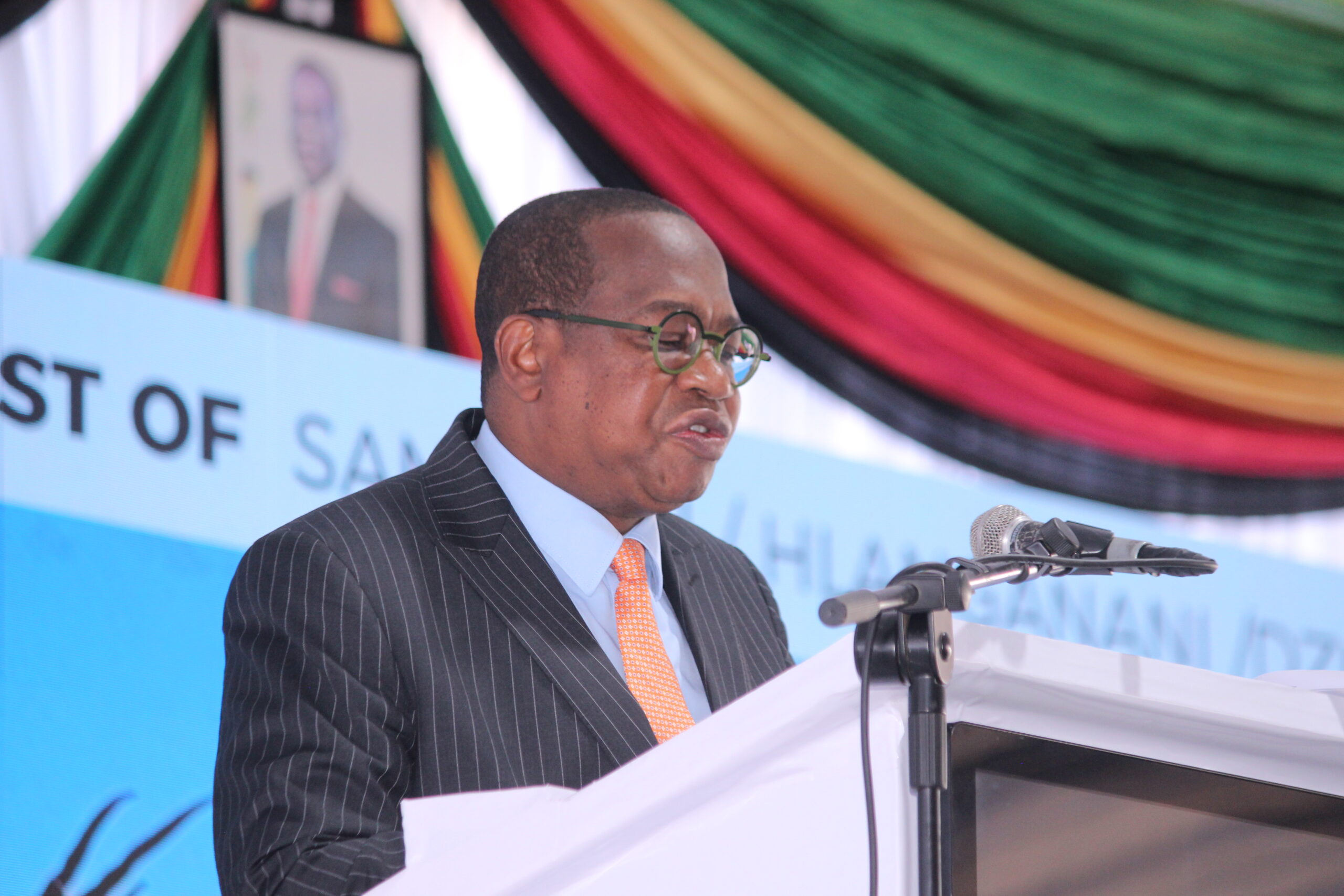
Government is intensifying efforts to draw domestic and international capital into tourism, with Finance, Economic Development and Investment Promotion Minister Professor Mthuli Ncube saying the sector is increasingly emerging as a viable long-term asset class.
Speaking at the Sanganai/Hlanganani/Dzimbahwe World Tourism Investment Forum in Masvingo, Ncube said tourism had moved beyond traditional hospitality activities to become a broader investment platform spanning infrastructure, aviation, real estate, finance, technology, entertainment and culture.
He said the country recorded 792 000 domestic and international tourist arrivals during the first half of 2026, while tourism receipts climbed six percent, from US$508 million in the same period last year to US$537 million.
“Tourism is no longer simply about hotels, game drives and sightseeing. Tourism today is technology, infrastructure, real estate, aviation, finance, entertainment, culture and creativity. It is therefore one of the most powerful platforms through which we can drive inclusive economic growth,” said Ncube.
He said the tourism sector had attracted more than US$1 billion during the NDS1 2021-2025 period, with tourism investment reaching US$194.5 million in 2025 and approximately US$132 million during the first half of 2026.
Ncube added that institutional investors were increasingly recognising tourism as a long-term opportunity, with pension funds and other players now participating in hotel and hospitality developments.
“Institutional capital is beginning to recognise tourism as a viable, long-term asset class,” he said, noting that global hospitality brands were also expanding their footprint in the country.
He identified Masuwe Special Economic Zone in Victoria Falls and Tugwi-Mukosi in Masvingo as major investment opportunities, urging investors to develop integrated tourism destinations rather than isolated projects. Masuwe, he said, offered scope for hotels, villas, holiday homes, commercial facilities, medical services and golf, while Tugwi-Mukosi could support hospitality, recreation, water-based tourism, residential development and events.
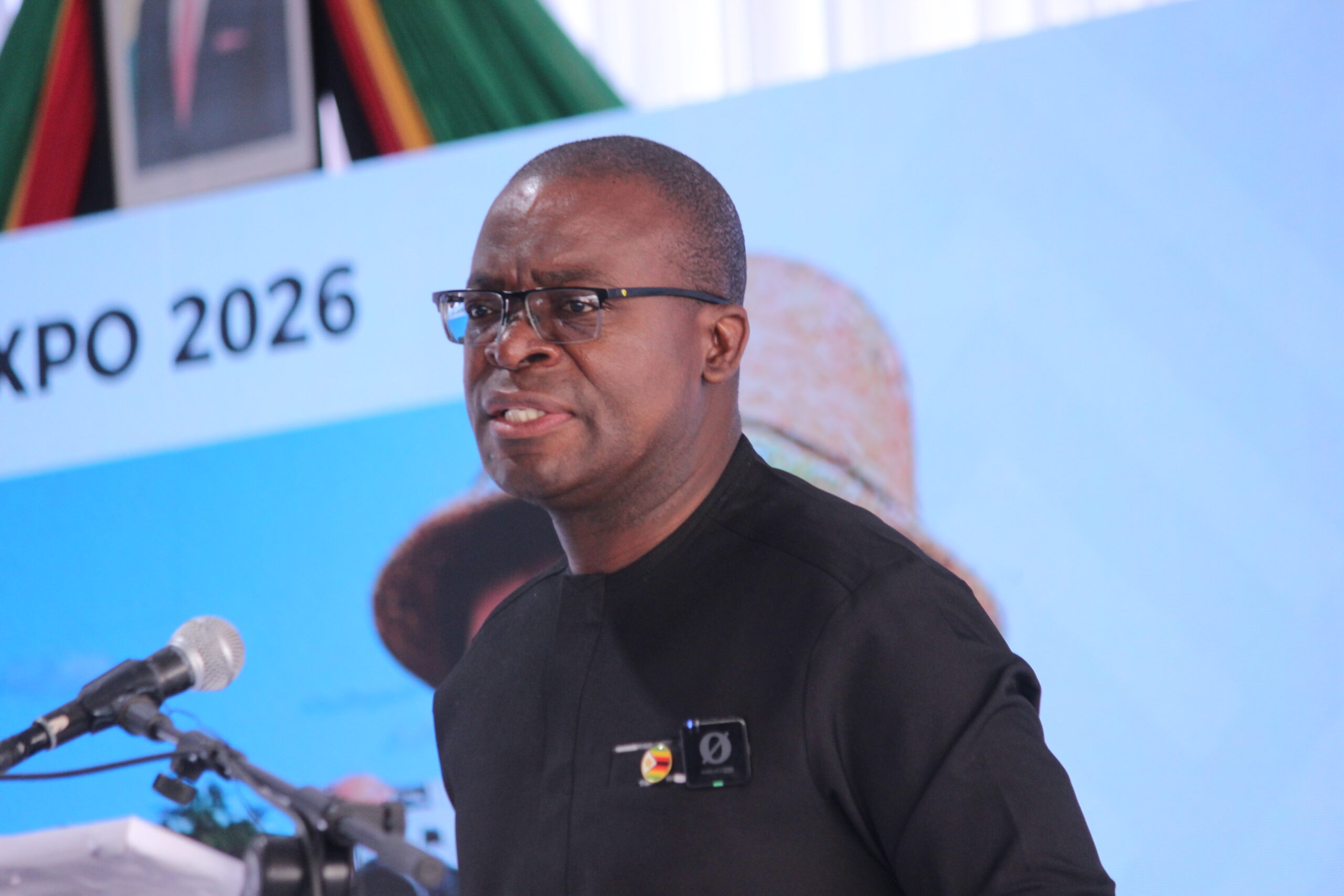
Meanwhile, Foreign Affairs and International Trade Minister Professor Amon Murwira said the investment drive formed part of a broader government strategy to position the country as an attractive destination for capital, partnerships and economic development. He said the nation’s tourism and investment potential needed to be translated into tangible projects capable of creating jobs, businesses and sustainable growth.
The forum was held as authorities intensify economic diplomacy efforts and promote Vision 2030, with government seeking stronger partnerships between investors, financial institutions, tourism operators and development agencies. Murwira said the gathering should move beyond networking to produce measurable investment outcomes, pointing to the country’s heritage, culture and tourism assets as central to its investment proposition.
Ncube said the true measure of the tourism investment drive would not be speeches or business cards exchanged, but projects financed, hotels and lodges built, businesses established, jobs created and communities transformed.
“Let us move from potential to projects, from projects to investment, from investment to businesses, and from businesses to jobs and sustainable economic growth,” he said.


