
The strategy to use the 19th Sanganai/Hlanganani/Dzimbahwe Tourism Expo to diversify the country’s tourism offering has taken international buyers deep into the Lowveld
where sports, heritage, agro-tourism and business events are emerging as key products beyond the traditional Victoria Falls circuit.
International buyers and journalists on a familiarisation tour ahead of the September 9-12 expo visited Triangle Country Club and the Murray MacDougall Museum in Triangle on Sunday, gaining first-hand exposure to a destination that combines the legacy of Zimbabwe’s sugar industry with sporting facilities, historical attractions and access to the wider south-eastern Lowveld.
The 2026 Sanganai/Hlanganani/Dzimbahwe Expo is being held at the Gymkhana Events and Conference Centre in Masvingo, with the Ministry of Tourism and Hospitality Industry, together with the Zimbabwe Tourism Authority, positioning the event as a platform to showcase the country’s tourism products to international markets.
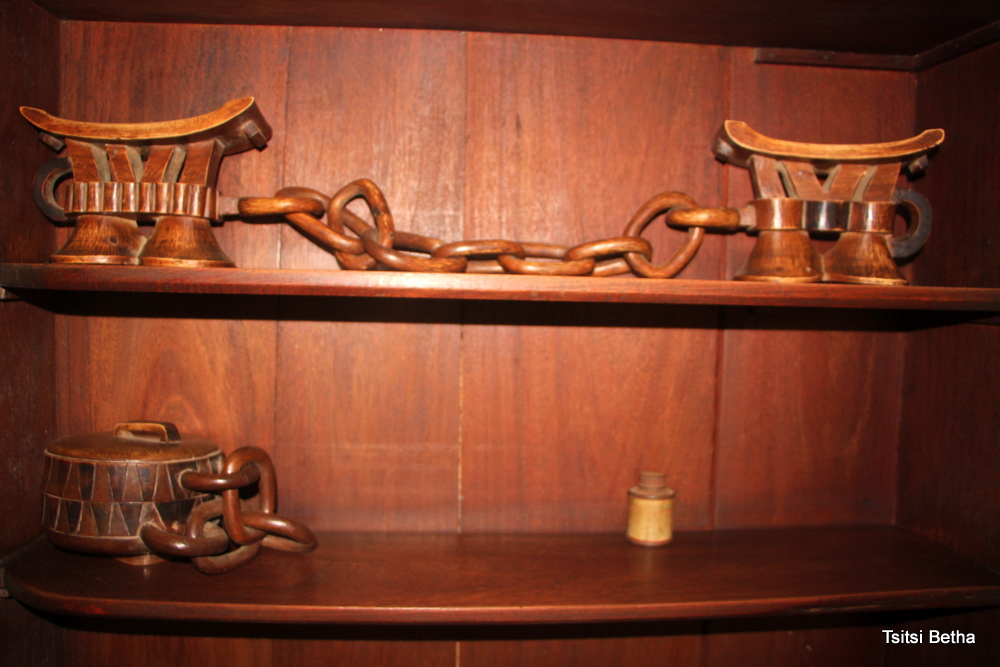
A display at Murray MacDougall Museum in Triangle
The decision to take buyers beyond the expo venue is central to this year’s strategy. Tourism and Hospitality Industry Minister Barbara Rwodzi said international buyers were being distributed across Masvingo Province so that they could experience destinations such as Chiredzi, Tugwi-Mukosi, Bikita and Zaka rather than remaining concentrated around the expo venue.
The objective, she said, is for buyers to return home able to market Masvingo Province as a destination in its own right, rather than continuing to sell Zimbabwe largely through Victoria Falls, Harare and Bulawayo.
The approach is already exposing lesser-known tourism assets to the international market.
At Triangle Country Club, Food and Beverage Manager Ropafadzaishe Mushoorwa told the visiting delegation that the facility was repositioning itself from a traditional company recreational club into a broader hospitality, sports, lifestyle and events destination.
The club’s main hall can accommodate more than 1 500 people, while its tourism offering includes conference facilities, accommodation, a cinema seating about 300 people, bars, a grill, a gymnasium and bowling facilities. It also boasts cricket, rugby, tennis, squash, swimming and golf facilities.
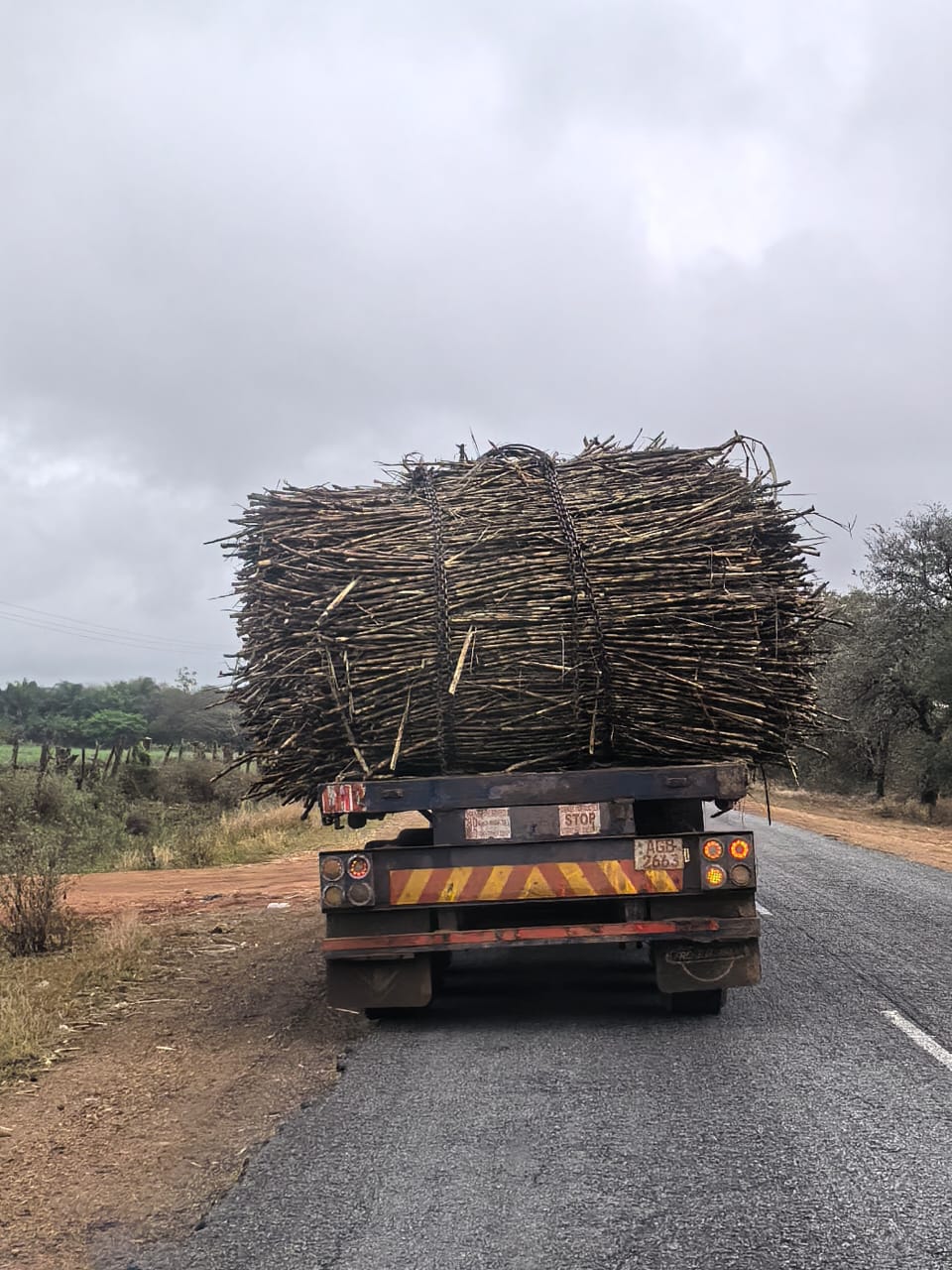
Trucks delivering sugarcane to the Tongaat Hullet sugar plant in Triangle
The development gives the Lowveld a potential platform for Meetings, Incentives, Conferences and Exhibitions tourism, an increasingly important segment of destination marketing.
Mushoorwa said the facility was open to bookings from visitors, signalling a shift from its historical role as a members’ facility serving the sugar estate community.
The sporting facilities are another potential drawcard. Triangle Cricket Club has secured a place in the 2026/27 Zimbabwe Cricket National Premier League after qualifying for the competition for the first time, while the club’s cricket ground has a history stretching back decades. A first-class fixture was played there during the 1979/80 season.
This dovetails with Masvingo’s inaugural September Sports Tourism Carnival, held from September 1 to 4, which featured disciplines drawing participants from across the country’s provinces.
The carnival was deliberately designed to demonstrate how sporting events can stimulate demand for accommodation, restaurants, transport and other tourism services while promoting destinations outside Zimbabwe’s major cities.
Golf is also being incorporated into the province’s tourism proposition, with Triangle featuring in the sports tourism programme leading into Sanganai. But the Lowveld’s tourism story extends beyond sport.
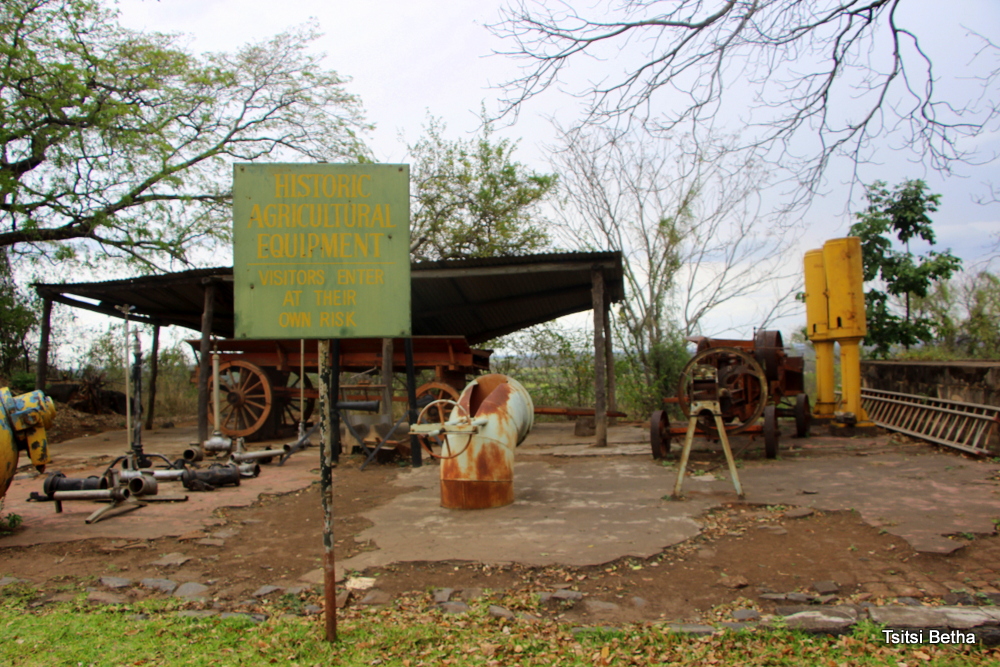
At the Murray MacDougall Museum, visitors were introduced to the history of Triangle and the origins of the region’s sugar and irrigation industries through museum attendant Nancy Mtombeni.
The museum documents the story of Thomas Murray MacDougall, whose early agricultural experiments and irrigation works contributed to the development of commercial agriculture in the Lowveld.
Among its exhibits is the story of the Jatala Weir and the construction of irrigation tunnels and canals that helped transform the dry Lowveld into a major agricultural region. Historical accounts place construction of the weir in 1923, with tunnels cut through rock and a canal extending towards the agricultural lands.
The museum is therefore emerging as an agro-tourism and heritage product, connecting the history of agriculture with contemporary tourism.
Mtombeni’s role also highlights another challenge facing heritage tourism: preserving institutional knowledge.
According to a recent account, Mtombeni has spent years interpreting the museum’s collection for visitors but is concerned about the lack of an understudy who could be trained to carry the knowledge forward. The museum itself has also faced conservation challenges, although visitor interest and contributions have supported restoration efforts.
For tourism authorities, these attractions provide an opportunity to create a more integrated Lowveld itinerary.
Triangle’s sporting and heritage products can be linked to the sugar estates, Chiredzi, Gonarezhou National Park, Chilojo Cliffs and private wildlife conservancies in the region.
The country’s tourism marketing strategy is increasingly seeking precisely these linkages.
The official Sanganai programme describes the 2026 edition as a platform for connecting tourism businesses with international buyers, while the host city is promoting Great Zimbabwe, Lake Mutirikwi and surrounding attractions as part of the wider Masvingo experience.
Connectivity remains critical to turning exposure into actual arrivals.
Air Zimbabwe has introduced services linked to the Sanganai programme, while tourism authorities are working to improve connections between Masvingo and the Lowveld, which serves as a gateway to Gonarezhou, Chilojo Cliffs and conservation areas including Malilangwe and Save Valley.
More than 140 international buyers have arrived in Masvingo for the 19th edition of Sanganai/Hlanganani/Dzimbahwe, with delegates coming from markets in Europe, the Americas, Asia and the Middle East.
The scale of the buyer programme gives destinations such as Triangle an opportunity to convert what have historically been local recreational and heritage assets into internationally marketed tourism products.
For Triangle, the message from Sanganai is therefore broader than simply attracting visitors to a country club.
It is about repositioning the Lowveld as a destination where sport, agriculture, heritage, wildlife and business tourism can be consumed as one experience.
That is precisely the wider ambition behind taking Zimbabwe’s flagship tourism expo to Masvingo: to make international buyers travel beyond the country’s established icons and discover the destinations, businesses and communities that form the rest of the Zimbabwean tourism economy.


