
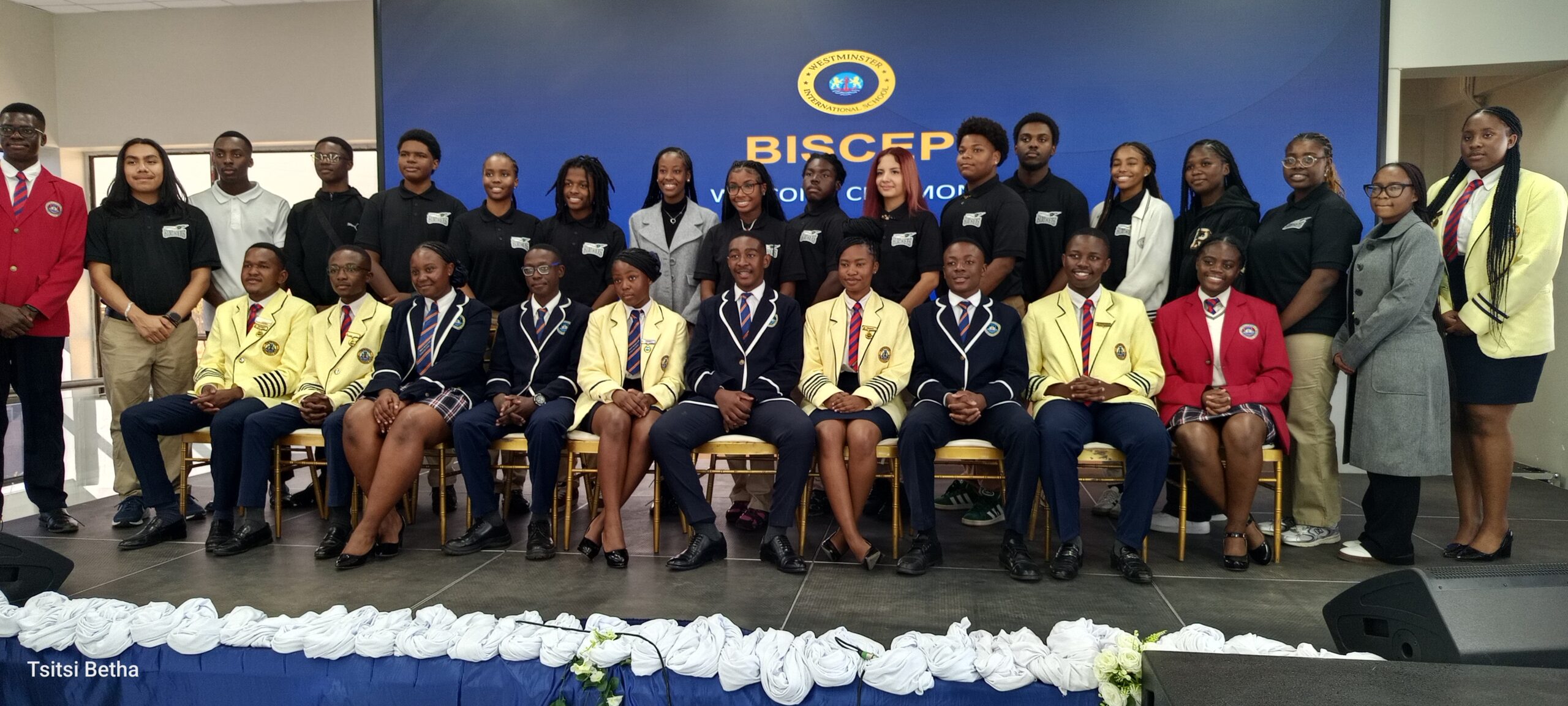
After 400 No’s, 15 Yeses USA Arrives
It almost didn’t happen. Weeks before ten students from Miami Central High School were due to touch down in Harare, the Blindfolded International Student Cultural Exchange Program (BICEP) was on the brink of collapse. Global travel disruptions had upended the group’s planned route through Dubai, driving up costs and forcing organisers into a painful choice.
“We had to decide whether to continue or postpone until 2027,” said BICEP founder Mr Edwin Shepherd. “We had 400 ‘no’s’ and only 15 ‘yeses’ while trying to raise funds.”
Rather than disappoint a graduating class of seniors who had waited for the trip, Shepherd’s team chose to push forward.
“Because we were passionate about not letting our incoming seniors down, we chose to take the risk,” he said. “But today, I can proudly say, ‘We are here.'”
That perseverance has translated into a two-week cultural exchange now underway at Westminster International School, where the visiting American students are attending classes alongside their Zimbabwean counterparts and immersing themselves in the country’s culture, education system and tourism attractions.
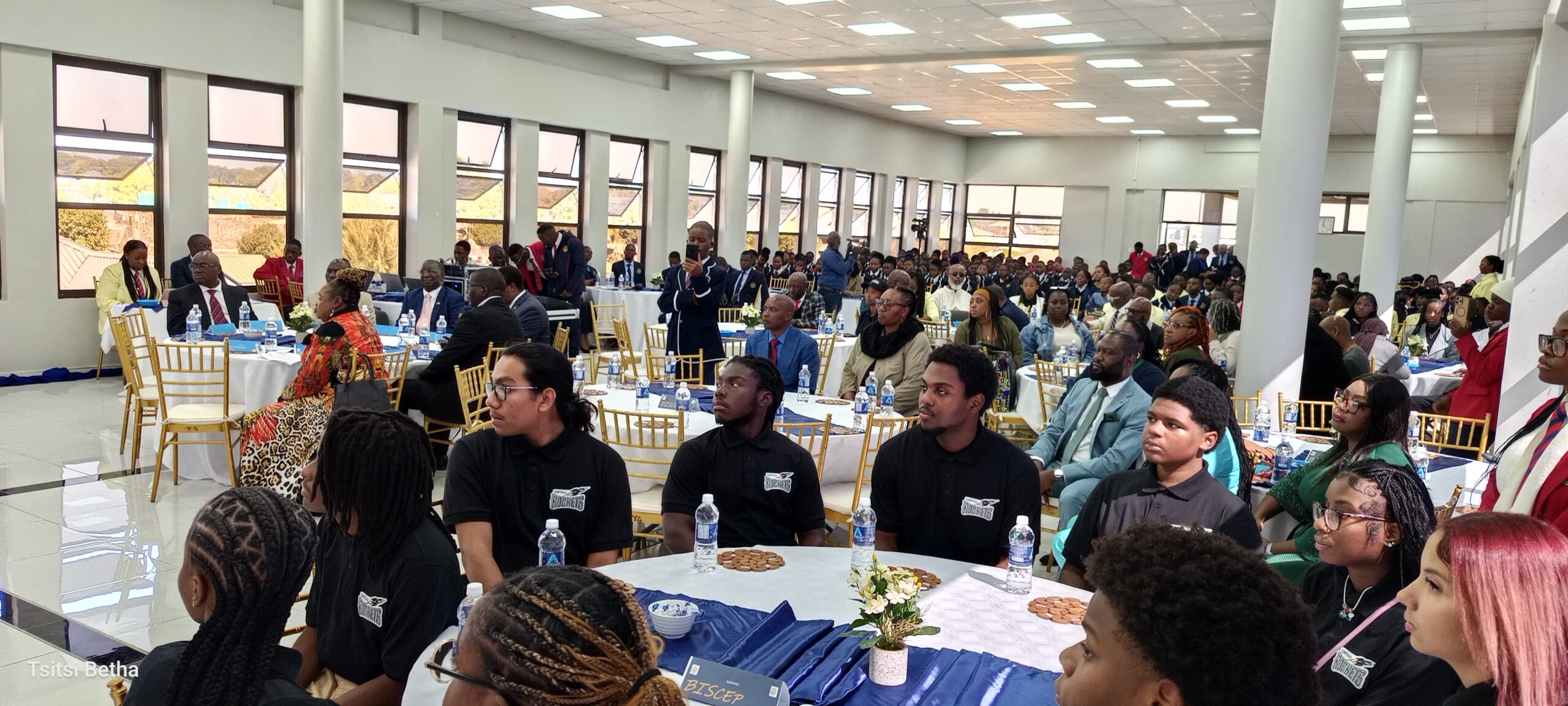
Westminster Principal Mr Kumbirai Tanatsiwa said the programme, dubbed Culture of Change, gives students on both sides a rare opportunity to learn from one another.
“It provides an opportunity for Zimbabwean and American youth to come together, learn from one another, and create something far greater than what either of us could achieve alone,” he said.
Tanatsiwa also used the moment to push back against negative international coverage of Zimbabwe.
“Too often, Zimbabwe is portrayed negatively in the international media. Yet, during the few days you have been here, you have experienced something completely different. Zimbabwe is a peaceful nation where people live together in harmony, and our greatest strength is our hospitality,” he outlined to the US team.
Beyond the classroom, Tanatsiwa said the exchange carries real economic weight for Zimbabwe’s tourism sector, with the visiting students set to tour destinations including Victoria Falls.
“By hosting international visitors, we are bringing tourists into the country who contribute through accommodation, transport, meals, shopping and visits to tourist destinations such as Victoria Falls. These educational exchange programmes strengthen international relationships while creating meaningful economic opportunities for Zimbabwe,” he said.
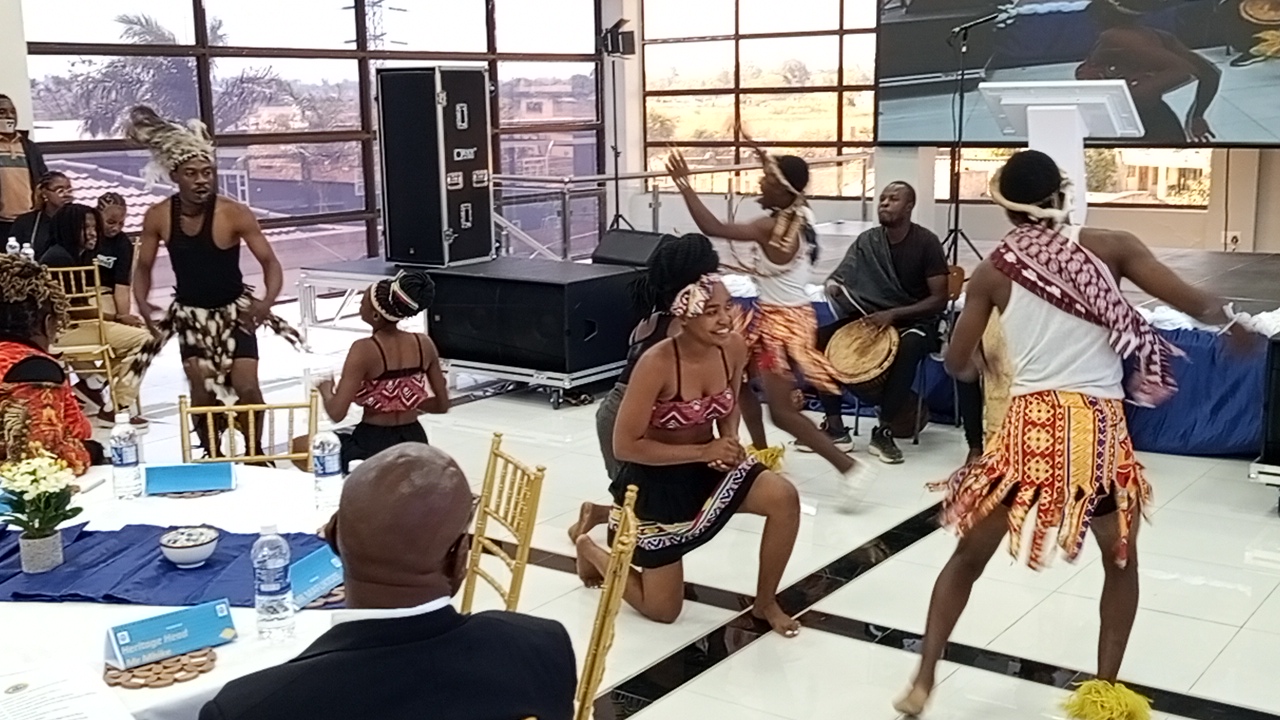
Shepherd said BICEP was born out of his own documentary, ‘Blindfolded: How They Hid My Heritage From Me’ , which explored the misconceptions about Africa he grew up absorbing through Western media.
“Growing up, I was exposed to a very negative image of Africa through the media. Visiting Botswana and South Africa changed my perspective, and I wanted young people to learn directly from one another instead of relying on stereotypes,” he said.
BICEP alumni Erica Murehwa urged the visiting students to make the most of the experience despite the obstacles that nearly derailed it.
“Be curious, not cautious. Ask questions. Try the food. Learn a few local words. Don’t be afraid to make mistakes,” she said, encouraging them to “leave different from how you came.”
Dr J Chidzomba closed the welcome ceremony with a reminder about resilience, a theme that echoed the programme’s own rocky path to Harare.
“My former headteacher once told me I was chosen as head boy not because I was perfect but because I persevered. Perseverance matters more than perfection,” he said.
Organisers say they hope this year’s hard-won trip strengthens the case for BICEP’s future, cementing Zimbabwe as a destination for education, tourism and cultural exchange in the years ahead.


