
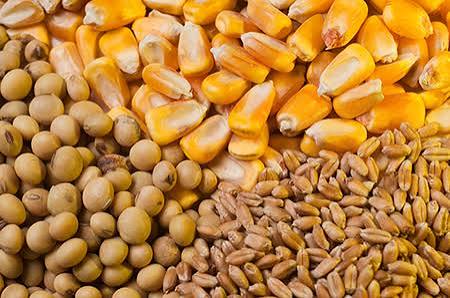
The Zimbabwe Republic Police (ZRP), working in partnership with the Zimbabwe Seed Association (ZSA) and the Ministry of Agriculture, Mechanisation and Water Resources Development, has launched a nationwide operation targeting syndicates involved in the manufacture, distribution and sale of counterfeit maize seed ahead of the 2026/2027 agricultural season.
The operation comes as farmers prepare for the planting season, with authorities warning that fake and illegally imported seed could undermine agricultural productivity, expose farmers to financial losses and threaten national food security.
In a press statement issued on Thursday, 26 November 2026, Police Commissioner Paul Nyathi said investigations had established that counterfeit seed was largely being sold through informal markets and hardware shops across the country.
He said some unscrupulous traders were using reputable seed companies’ brand names, logos and packaging materials to mislead unsuspecting customers.
The counterfeit products are often sold at significantly lower prices than genuine certified seed, creating an attractive but potentially costly option for farmers.
Nyathi said the police had joined forces with the ZSA and agronomists from various seed companies, including SEEDCO, to identify and dismantle networks responsible for the illegal trade.
“The Zimbabwe Republic Police warns all individuals, traders and syndicates involved in the manufacture, packaging, distribution and sale of counterfeit seed that the Police will take decisive action against them,” he said.
Those found on the wrong side of the law will be brought before the courts in accordance with the Seed Act (Chapter 19:13) and other applicable legislation.
The police have urged farmers to purchase certified maize seed from authorised and reputable outlets and verify the authenticity of products before making payments.
Meanwhile, the Ministry’s Seed Services Institute has intensified market surveillance under a nationwide blitz against bogus agro-dealers, which began on 5 October and is expected to run until mid-December 2026.
Head of the Seed Services Institute, Edmore Mtetwa, said the exercise was targeting agro-dealer premises in cities, towns and selected business centres, with inspections focusing on compliance with seed regulatory requirements.
He explained that licensing was essential in ensuring that traders had the capacity to handle and store certified seed properly while allowing authorities to monitor distribution channels.
Section 8 of the Seed Act stipulates that no person shall sell seed unless registered as a seed seller.
Mtetwa encouraged farmers to demand proof of registration or licensing from agro-dealers, noting that the documents should ordinarily be displayed at their business premises.
He also warned against unauthorised seed imports, saying unapproved varieties might not be suited to Zimbabwe’s agro-ecological conditions and could introduce pests and diseases from other countries.
According to Mtetwa, offenders risk arrest and prosecution, with possible penalties including cancellation of licences, fines, compensation to affected farmers and imprisonment.
Zimbabwe Seed Association chairman Dr John Makoni said the quality and suitability of seed would be particularly important during the 2026/2027 season, given predictions of below-normal rainfall.
He cautioned that planting poor-quality seed or varieties unsuitable for local conditions could compromise farmers’ prospects of achieving good harvests.
“Poor quality seed and/or a wrong variety would surely reduce chances of higher yields — something the nation cannot afford this El Nino season,” Makoni said.
He explained that seed supplied by ZSA members undergoes established production, processing and marketing procedures designed to ensure quality, good germination and freedom from pests and seed-borne diseases.
Imported seed supplied by the association’s members is sourced from approved suppliers, while varieties placed on the local market are evaluated for their suitability to Zimbabwe’s production environments.
Makoni also highlighted the risks associated with illegally imported varieties, which may not have undergone local evaluation and could expose the country’s agricultural sector to unfamiliar crop diseases and pests.
On identifying counterfeit products, he urged farmers to pay close attention to packaging, company branding and pricing.
Suspicious spelling mistakes, incorrect logos, unusual packaging, differences in seed dye colour and unusually low prices could indicate that a product is not genuine.
He added that seed from ZSA members was distributed through registered and reputable agro-dealers, with most companies publishing lists of authorised stockists for the current season.
“Seed from ZSA members is not sold in a cup by the roadside,” Makoni said, urging farmers to avoid purchasing agricultural inputs from unreliable sources.
The association’s Executive Committee member Talk Chinoda said cooperation between regulators, law enforcement agencies, seed companies, agro-dealers, farmers and the media was necessary to protect the integrity of the country’s seed industry.
He said the quality of seed planted had a direct bearing on agricultural output, farmers’ livelihoods and national food security.
Chinoda, who is also managing director of Intaba Trading, said the joint initiative provided an opportunity to educate consumers about the dangers of counterfeit products and encourage vigilance throughout the agricultural supply chain.
Authorities have appealed to members of the public to report suspected counterfeit seed manufacturers, distributors and sellers.
The ZRP said reports could be made at the nearest police station, through the National Complaints Desk on 0242 703 631 or via WhatsApp on 0712 800 197.
The Seed Services Inspectorate has also provided rapid-response reporting lines on 0242 709712, 0242 791223, 0773 647277 and 0772 650327.
The nationwide intervention seeks to protect farmers’ investments, preserve confidence in legitimate seed suppliers and ensure that the agricultural sector enters the 2026/2027 season with access to genuine, certified planting material.


