


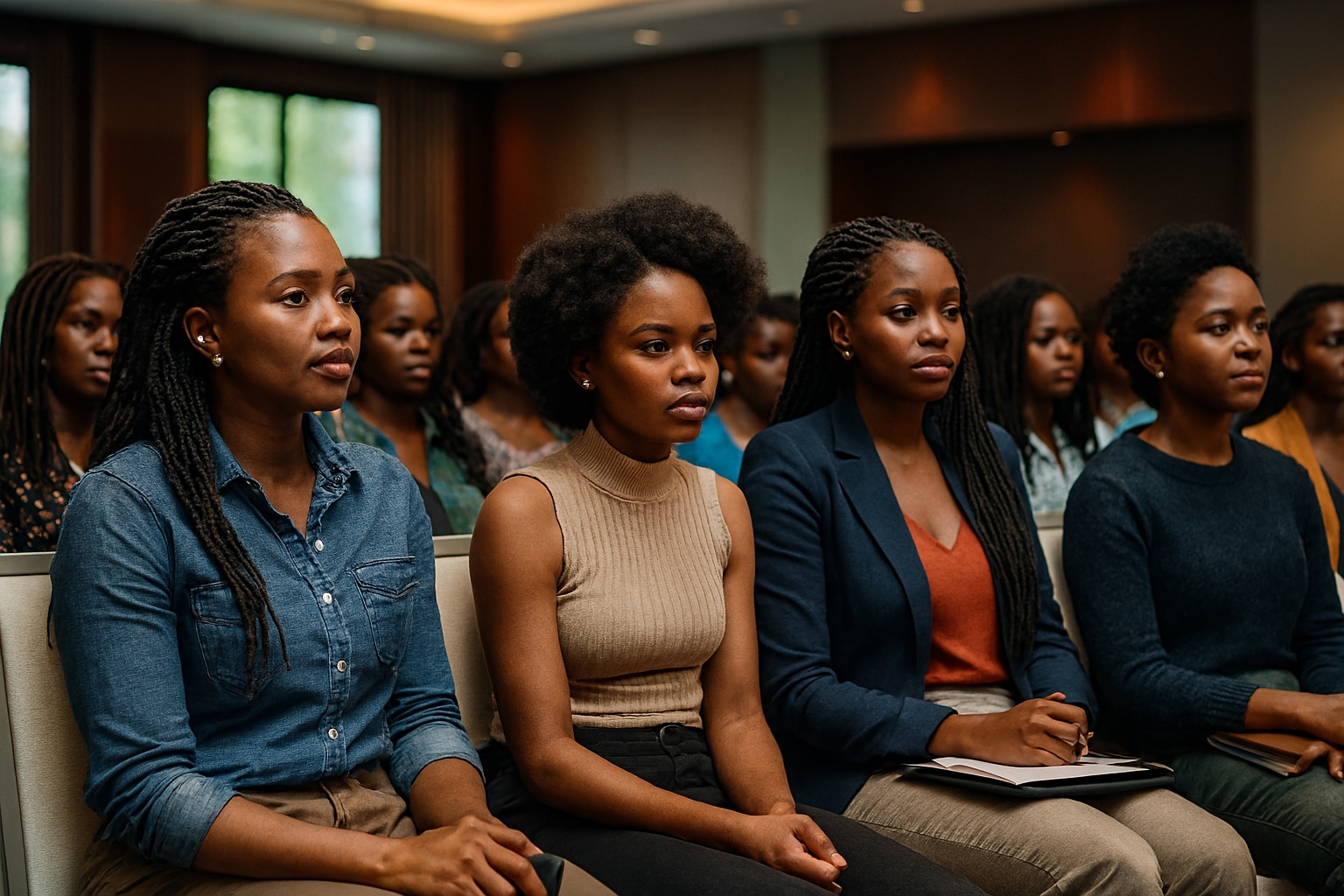
As the global 16 Days of Activism Against Gender-Based Violence begins in 2025, there is an urgent call for greater action from communities, law enforcement, and politicians to tackle the surge in online harassment targeting women and girls. During the formal launch of the 16 Days on November 25, a panel discussion hosted by the GALZ Women’s Forum emphasized the critical overlap between existing legal structures, support systems, and the actual experiences of those most impacted, especially LBQ women.
Speakers noted that, despite having protective laws like Zimbabwe’s Cyber and Data Protection Act of December 2021, many communities remain unaware of their entitlements or how to get help when victimized digitally. This widespread ignorance continues to prevent survivors from reporting incidents, forcing many women and girls to endure their suffering in private. Those who try to find justice frequently encounter prejudice and further victimisation.
Several LBQ women have shared that when reporting threats, cyber bullying, or identity-based abuse, they find their cases sidelined for evaluations of their appearance or sexuality. This worsens trauma and undermines legal protections. Groups working with LBQ communities have made focused efforts to train law enforcement officers on dealing with sexual minorities with appropriate sensitivity and professionalism. Nevertheless, panelists highlighted that these initiatives have not led to substantial institutional reform.
Officers receiving sensitisation training are rarely the ones consistently interacting with survivors. Consequently, victims often engage with untrained personnel who respond with mockery, hostile questioning, or open contempt. These poor experiences erode confidence, discourage future reporting, and widen the gap between written legal protection and practical justice.
Worries were also raised about the long-running but inconsistent response of the Victim Friendly Unit (VFU) to LBQ survivors. Attendees shared accounts of victims being told to go home and “work things out privately” with abusive partners, or facing intrusive questions that left them feeling exposed and fearful. Such reactions not only re-traumatize survivors but also allow perpetrators to continue their abusive behavior unchecked.