


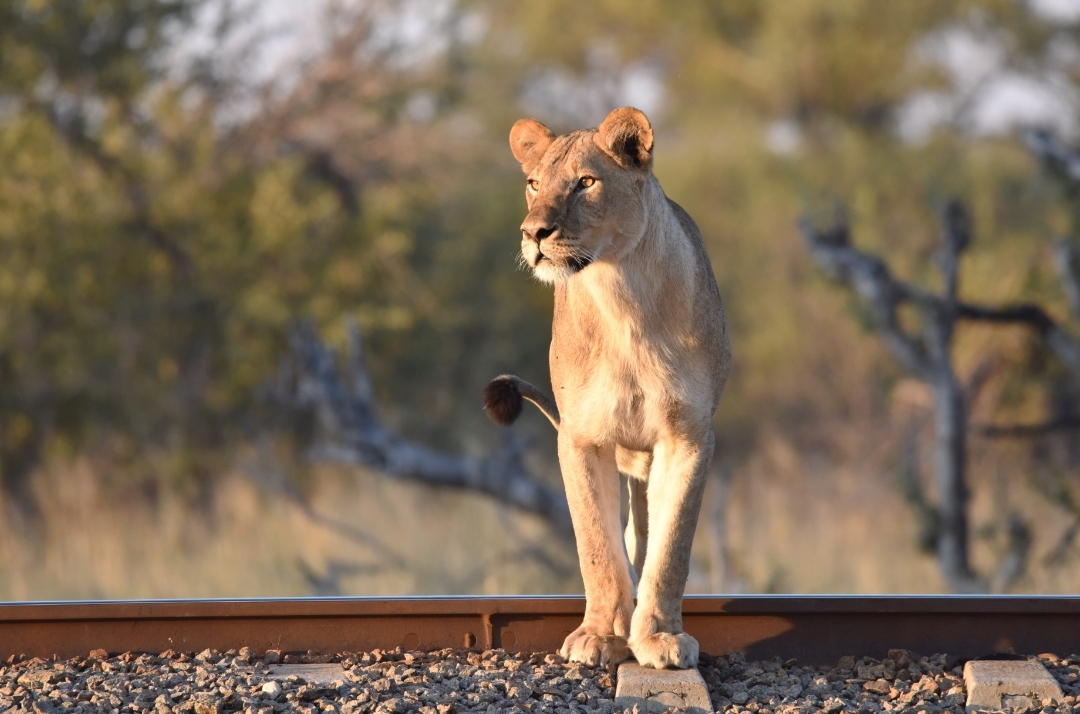
On World Lion Day, conservation leaders are warning that Africa’s most emblematic predator has vanished from more than half the continent’s countries, raising concerns that the crisis is now as much a diplomatic and economic challenge as it is an environmental one.
Wild lions now survive in only 26 of Africa’s 48 nations, occupying just seven percent of their historical range. According to LionAid’s 2025 Synthesis of Lion Numbers in Africa, there are an estimated 13,014 lions left in eastern and southern Africa and only 342 in western and central Africa, where populations are genetically distinct and considered at heightened risk. The International Union for Conservation of Nature lists the species’ recovery status as “Largely Depleted” with a recovery score of just 23 to 33 percent.
The scale of the decline has prompted calls for coordinated, cross-border action that brings together governments, conservation groups, local communities, and the tourism industry. Habitat loss, expanding agriculture, infrastructure development, human settlement, poaching, and indiscriminate snaring are the primary threats, compounded by the depletion of prey species in many protected areas.
Diplomatic engagement is seen as essential. Lions range across borders in transfrontier parks and conservation areas, making regional cooperation critical for their survival. Officials warn that without policy alignment on wildlife protection, poaching penalties, and land-use planning, even strong national efforts may fail.
The stakes are high for tourism as well as biodiversity. Wildlife tourism contributes around 8.5 percent of Africa’s GDP, with nearly 80 percent of international visitors citing wildlife as their main reason for travel. Lions are often the most sought-after species for safari tourists, and their loss would undermine one of Africa’s most marketable assets in the global travel industry.
Dr Moreangels Mbizah, Executive Director of Wildlife Conservation Action, stressed the cultural dimension of the crisis. “Lions are not just majestic symbols of the wild; they represent strength and resilience in African culture,” she said. “Their survival hinges on our ability to foster coexistence and share knowledge with communities so they see the value in protecting them.”
Peter Knights, CEO of Wild Africa, framed the issue in terms of economic security. “Protecting lions means protecting jobs, ecosystems, and a key part of Africa’s identity,” he said.
Conservationists are advocating for an integrated strategy combining habitat preservation, stronger law enforcement against wildlife crime, community-led conservation, and sustainable tourism development. Tourists, they add, have a role to play by supporting national parks and local conservation initiatives, where entry fees and community tourism ventures fund protection efforts.
As World Lion Day focuses international attention on the species’ plight, the message from Africa’s conservation community is clear: without urgent, united action, the roar that once echoed across continents could fall silent within a generation.